

The United States’ military campaign against Iran is unfolding in carefully sequenced stages, NBC reported, citing a source familiar with the planning. According to the channel, the operation moves from strikes on peripheral areas toward assaults on heavily fortified facilities deeper inside the country.
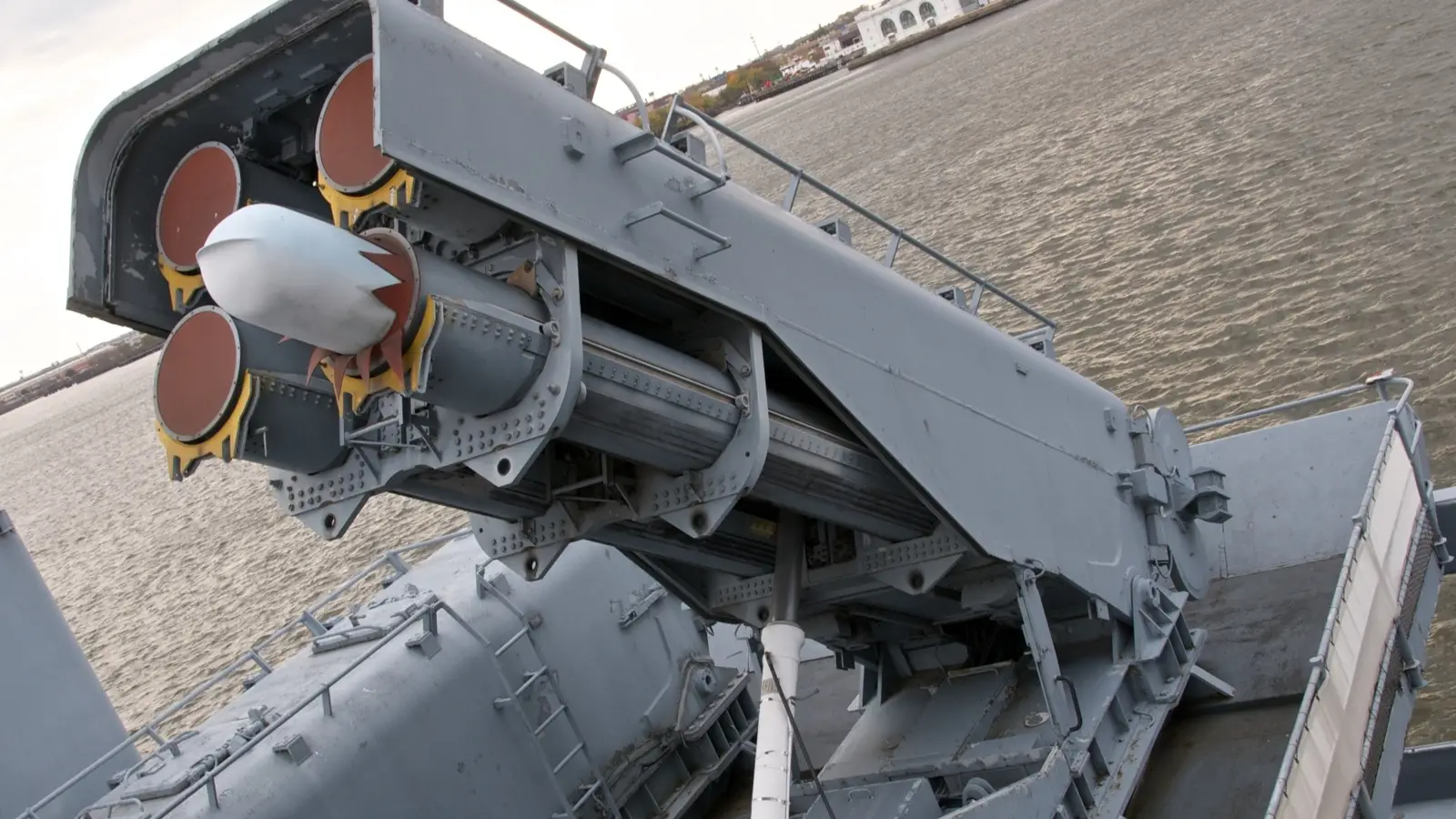
In the opening hours, the emphasis was on overwhelming firepower delivered from a distance. The United States relied on Tomahawk cruise missiles, long-range precision-guided munitions and other stand-off weapons launched beyond the reach of Iran’s air defense systems. The immediate objective was to cripple air defenses and erode protective barriers, clearing the way for manned aircraft to enter the fight later.
The next phase, the source indicated, is expected to involve B-1 and B-2 strategic bombers. Their targets would include hardened installations such as vertical missile silos and underground ballistic missile infrastructure, some of it embedded in mountainous terrain. Heavy aerial bombs are intended to be used against these reinforced sites.
Military officials have not disclosed details of any subsequent stages. The source noted that strikes on Iran’s nuclear facilities are not part of the current phase, though such a scenario has not been ruled out in the future.
On the morning of February 28, the United States and Israel announced the launch of their military operation against Iran. Strikes hit several cities of the Islamic Republic, including Tehran. Among the targets was the residence of Supreme Leader Ali Khamenei, who was killed in the attack. Tehran responded with missile launches and drone strikes against sites in Israel as well as U.S. air bases in the Middle East.