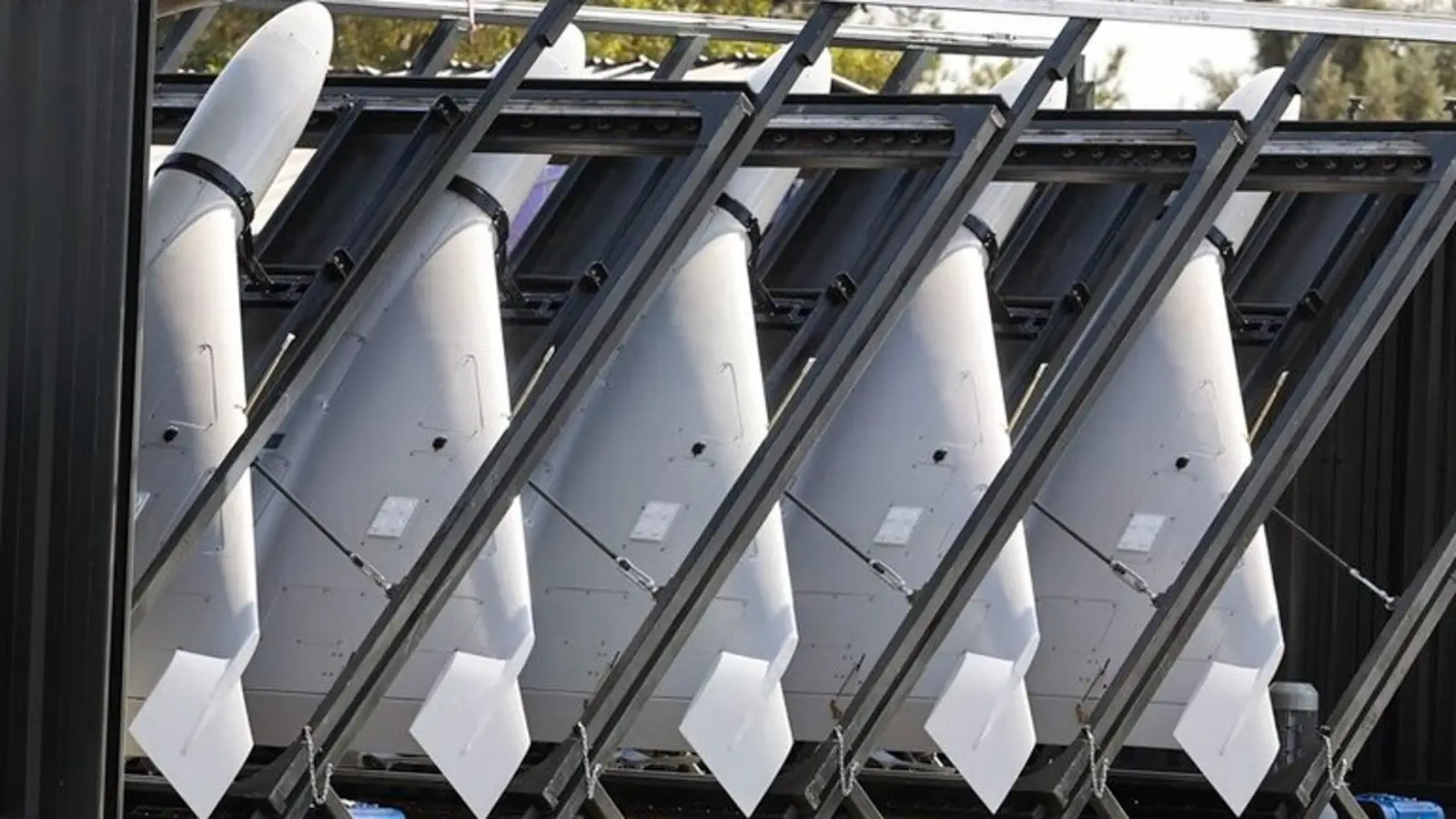

.jpg)
Four years of fighting in Ukraine have failed to teach the United States, Israel, and other opponents of Tehran any meaningful lessons, drone warfare expert Dmitry Kuzyakin said in an interview with TASS.
In his assessment, Washington and Tel Aviv were until recently seen as undisputed leaders in military technology. Yet the rapid rise of what he describes as a «third technological league of war» — built on inexpensive electronic components, open-source software, readily available materials, and simplified assembly — unfolded largely outside their focus.
Kuzyakin argued that the conflict in Ukraine, fought extensively with these tools, should have forced a reassessment. Instead, he suggested, Iran’s adversaries overlooked the shift. Tehran, by contrast, bet on new categories of weapons that are affordable, easy to produce and operate, rely on free software, and have proven highly effective in practice.
According to Kuzyakin, Iran is the only country that has drawn concrete conclusions from the Ukrainian conflict. While others watched the deployment of Geran drones, FPV systems, and unmanned naval boats through online footage, Tehran steadily developed its own framework for countering and waging what has become a modern drone war. He maintained that the Iranian leadership realistically assessed its position in a potential future confrontation and prepared for it both technologically and politically.
On the morning of February 28, the United States and Israel announced the start of a military operation against Iran. Strikes targeted several cities across the Islamic Republic, including Tehran. Among the sites hit was the residence of Supreme Leader Ali Khamenei, who was killed in the attack.
Iran responded with missile strikes and the deployment of unmanned aerial vehicles, targeting facilities inside Israel as well as U.S. air bases across the Middle East.