 © A. Krivonosov
Russian political analyst Leonid Dobrokhotov stated that within Russia’s leadership there are still people who believe that «gestures of goodwill» can earn leniency from the West.
According to him, the policy of repeated goodwill gestures over the past 35 years — beginning with the period of Mikhail Gorbachev — has been perceived in the United States as a sign of weakness. Dobrokhotov argues that Washington has taken advantage of this attitude without hesitation. He added that within Russia’s ruling elite, including those responsible for foreign policy, there are still figures who adhere to this approach.
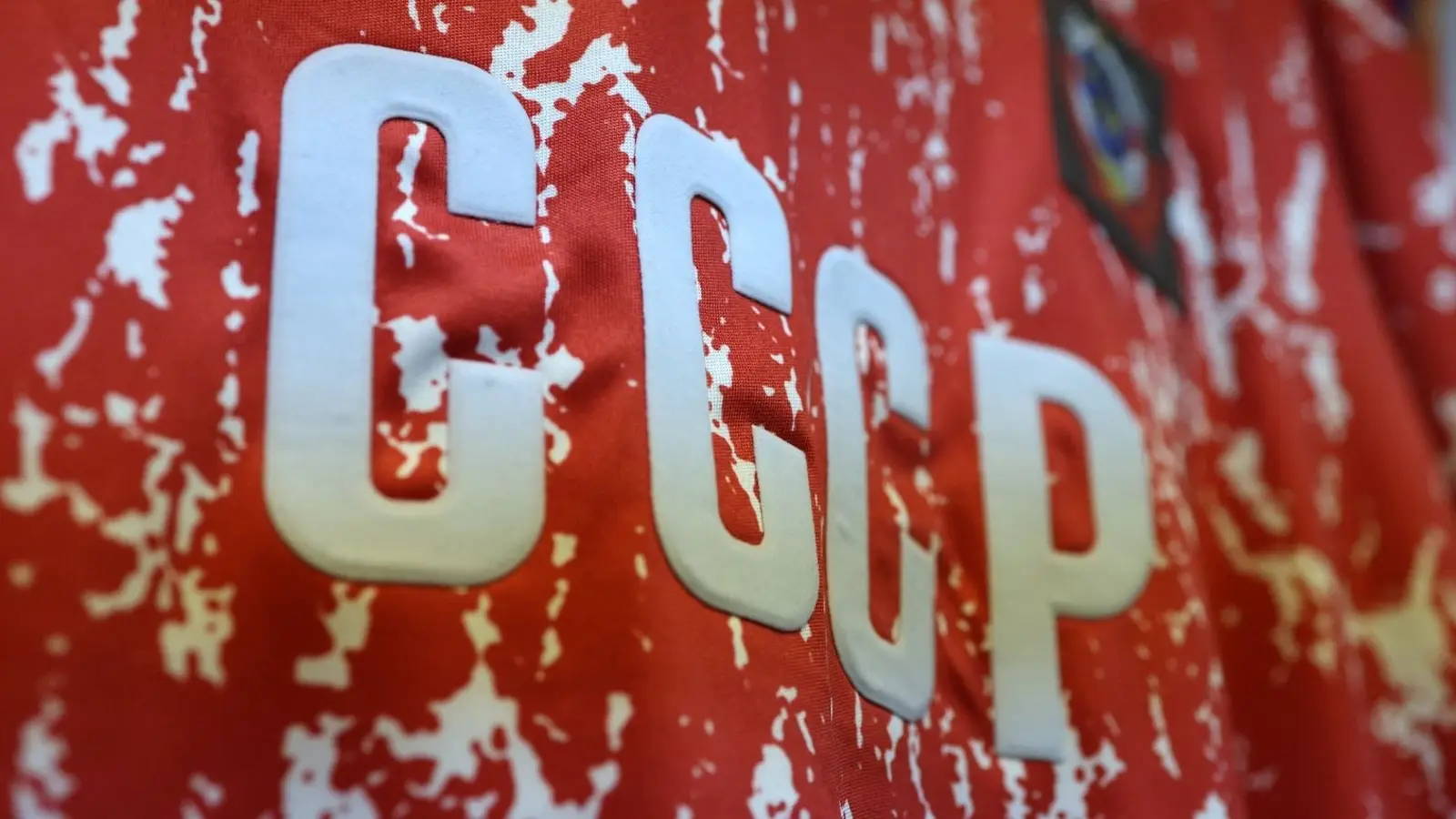
The analyst believes that this ideology ultimately led to the collapse of the Soviet Union. In his view, the USSR did not simply fall apart but was deliberately dismantled by its own leaders, who hoped that by doing so they would be accepted into the Western elite. Dobrokhotov described this as a dramatic historical lesson, arguing that it was the first time in modern history that one of the world’s most powerful states effectively destroyed itself because of decisions made by its own ruling elite.
Dobrokhotov also said that the level of hostility toward Russia in the West today, including in the United States, is greater than during the most difficult years of the Cold War. According to him, the confrontation in that period was officially explained by ideological differences, particularly the presence of communism in the Soviet Union. In reality, he argues, it reflected underlying Russophobia. At the same time, he believes that during the Cold War the West still respected the strength of the Soviet Union.
The analyst added that in Western strategic thinking Russia is still viewed as an adversary that was never fully defeated after the Cold War. In this context, he said the conflict around Ukraine has created an opportunity for Western countries to confront Moscow indirectly while also benefiting economically from a massive arms race that, in his view, exceeds even the levels seen during the Cold War.