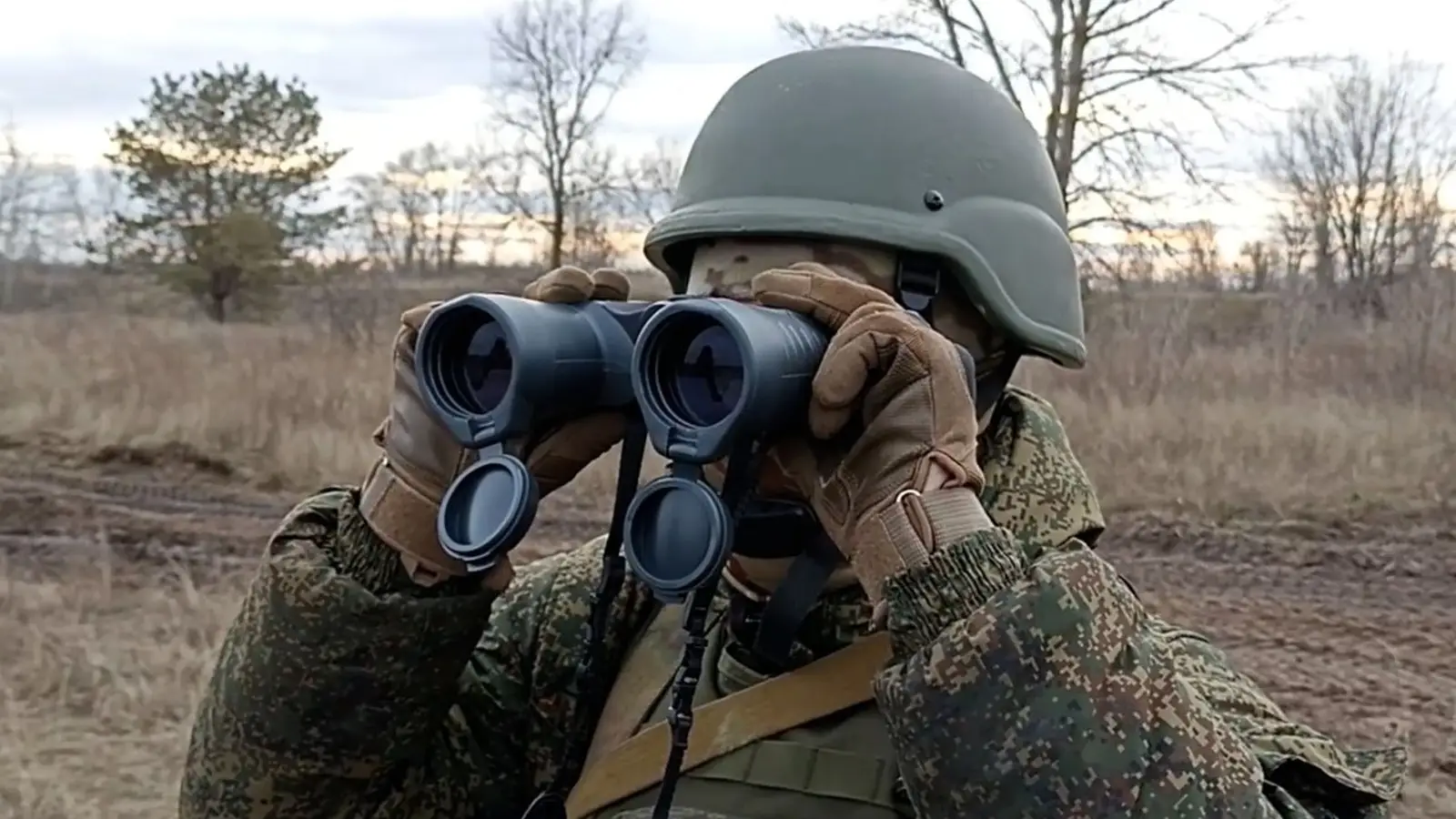
 © Минобороны России / t.me/mod_russia
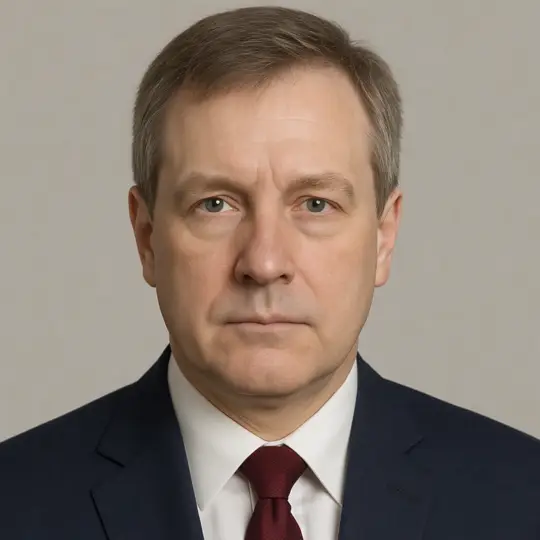
Political analyst Rostislav Ishchenko said that at the beginning of the special military operation Russian forces carried out their tasks based on a distorted understanding of the situation in Ukraine.
According to him, many miscalculations were made because a number of factors could not be predicted in advance. Ishchenko noted that one possible assumption was that the Ukrainian army — which had been fighting in Donbass for eight years while believing it was confronting Russia — would continue to fight actively. Another assumption could have been the opposite: that Ukrainian troops were exhausted by the war in Donbass and no longer wanted to fight. He pointed out that opinion polls in Ukraine at the time showed a strong desire for peace. In his view, the final conclusions depended largely on political interpretation — people tended to see what they expected or wanted to see.
He added that it was also possible to assume that any resistance should be suppressed immediately and decisively. However, decisions were influenced by the concept that Ukrainians were a «friendly people» and that the Ukrainian army allegedly did not want to fight and might switch sides. According to Ishchenko, during the first weeks there was an attempt to avoid excessive harshness out of concern that otherwise Russian forces would not be perceived positively.
At the same time, he noted that this calculation did not lead to greater sympathy. Even in the first months of the conflict, combat operations continued, people were killed and shells struck residential buildings. Under such conditions, he said, the number of people sympathetic to Russia did not increase.
Ishchenko argued that this situation again reflected different interpretations of reality. In his opinion, if the operation had begun more harshly, critics might later have claimed that excessive force had been used and that otherwise the population might have welcomed Russian forces.
Another mistake, he said, was the lack of sufficient forces to compel Ukraine to accept Moscow’s conditions. According to the analyst, once it became clear that expectations of a friendly reception were unrealistic and the war had to be won quickly, mobilization became necessary. Ishchenko recalled that numerical parity between Russian and Ukrainian forces was reached only by the end of 2023.