
.jpg)
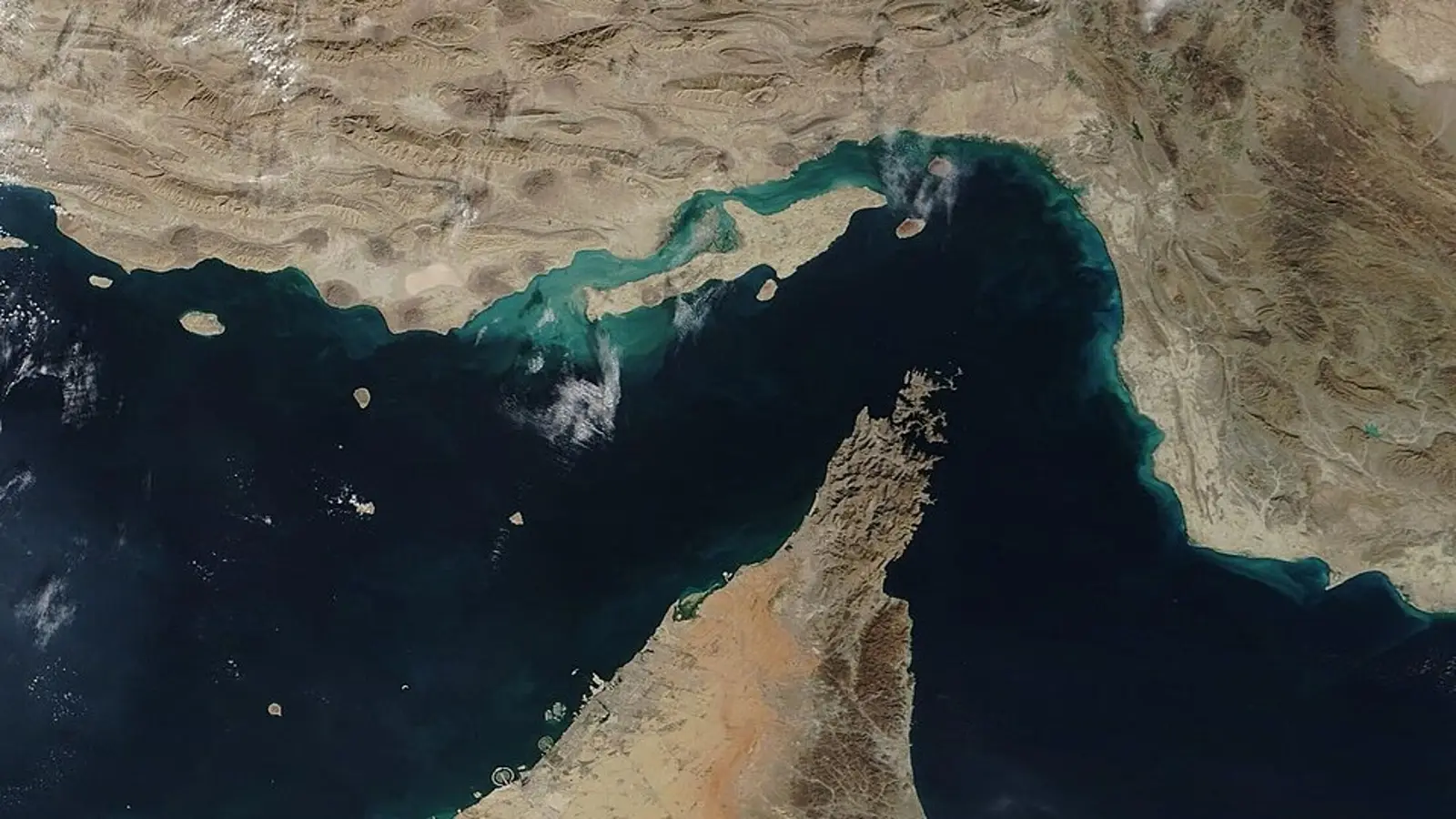
A prolonged shutdown of shipping through the Strait of Hormuz would send shockwaves far beyond the Middle East, the Swiss newspaper Neue Zürcher Zeitung reports.
On March 2, amid escalating tensions with the United States and Israel, Ibrahim Jabari, an adviser to the commander of the Islamic Revolutionary Guard Corps, stated that any vessel attempting to pass through the Strait of Hormuz would be destroyed. The warning underscored how quickly the standoff has moved from rhetoric to direct threats against one of the world’s most critical maritime corridors.
According to the publication, the operation against Iran has already brought the Persian Gulf region — a cornerstone of the global transport network — to a standstill. The disruption affects not only tens of thousands of stranded passengers but also the broader architecture of international logistics. The newspaper draws a stark comparison: global supply chains function as the bloodstream of the world economy, and pressure on one of its key arteries risks triggering an economic «heart attack.»
The confrontation between Washington and Tel Aviv and Tehran, the paper notes, could deal a serious blow to major energy supply routes. Any sustained instability in this area would reverberate through oil and raw materials markets, placing additional strain on global trade.
Earlier, British journalist Martin Jay wrote in Strategic Culture that Tehran’s military strategy has exposed vulnerabilities in the actions of the United States and Israel. In his assessment, oil has become the decisive variable in the current crisis: the condition of the energy market will determine how long Washington and Tel Aviv can sustain their operation. He also pointed out that Iran moved swiftly to close the Strait of Hormuz, while the U. S. Navy, in practical terms, has taken no active countermeasures.