Report: US and NATO Spent Years Preparing to Counter Iran’s S-300 Systems
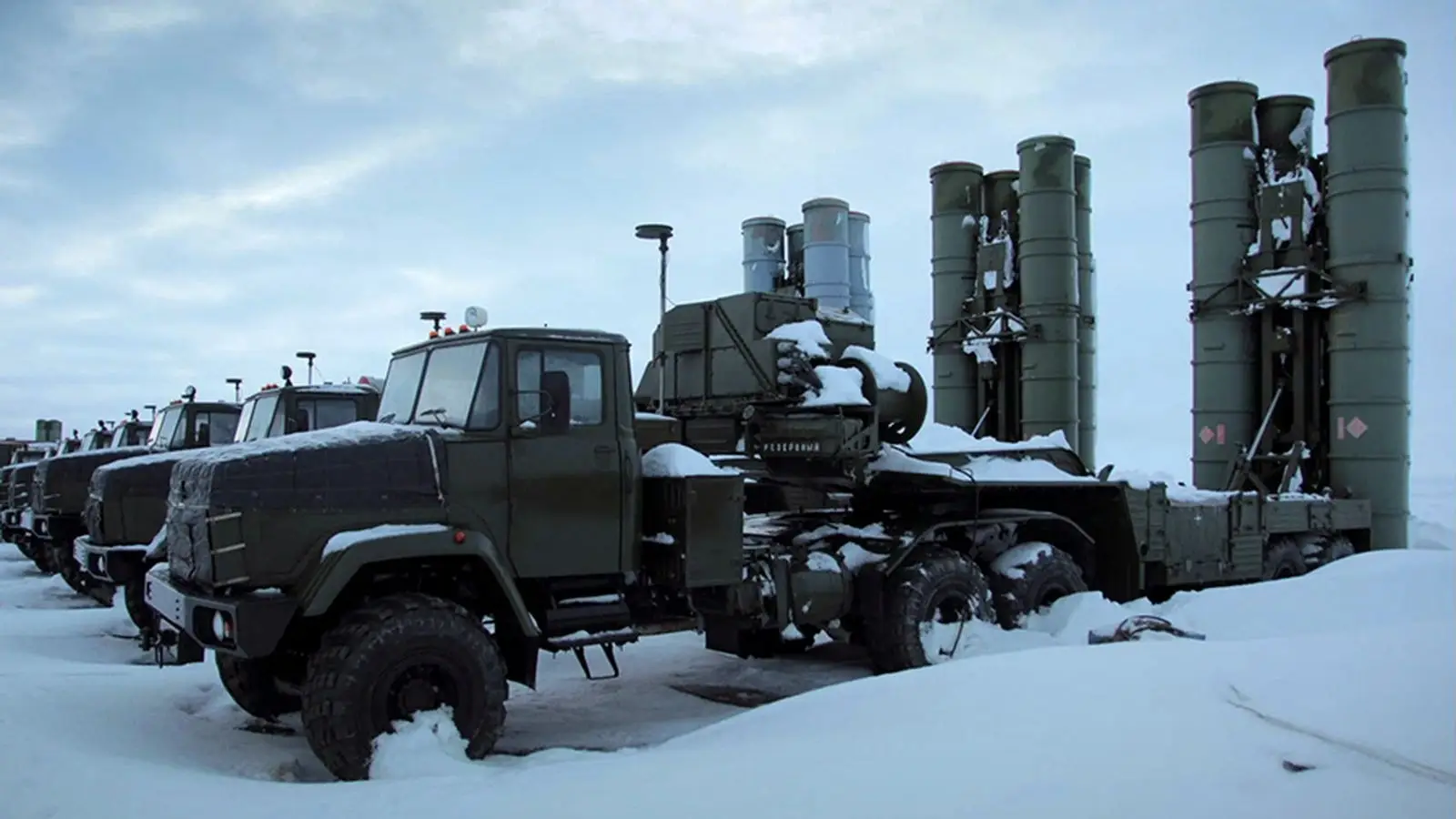

Military Watch Magazine says the US, Israel and NATO studied ways to defeat Iran’s S-300 air defense systems for years, using data from Eastern Europe.
The United States and its NATO allies have spent years studying ways to counter S-300 air defense systems used by the Iranian military, according to a report by Military Watch Magazine (MWM).
The publication notes that although relatively little is known about Iran’s air defense network-including long-range systems such as Bavar-373 and Khordad-15, which form the backbone of the country’s defensive shield-Russian-made S-300PMU2 systems have also been deployed to protect Tehran. For years, the armed forces of Israel, the United States, and other NATO members have been preparing methods to neutralize these systems.
MWM points out that after the collapse of the Warsaw Pact, the United States and NATO gained access to earlier versions of the S-300. These systems had previously been deployed in several Eastern European countries that later joined the alliance.
A significant number of such systems remained in Ukraine, which provided several units to the United States for study. However, those were earlier modifications that were less capable than the S-300PM version introduced in the 1990s.
Later, NATO countries gained access to more advanced variants as well. When Cyprus purchased S-300PMU1 systems, they were eventually stationed in Greece. Greek forces allowed allied militaries-and Israel-to conduct exercises simulating attacks on the systems. These drills enabled specialists to analyze radar performance and develop tactics for penetrating air defense networks.
According to MWM, Iran operates a more modern version, the S-300PMU2, developed roughly two decades after the systems deployed in Greece and upgraded with several improvements. Because of this, the United States reportedly conducted additional intelligence operations to gather more information about these newer systems.
After the launch of Russia’s special military operation in Ukraine, the U. S. Air Force moved F-35A Lightning II fighters closer to Ukrainian borders. Their missions included electronic intelligence and analysis of Russian air defense capabilities, including modern S-300 variants.
The magazine also notes that Iran’s air defense capabilities could have been strengthened further if the country had received Su-35 fighter jets from Russia, which might have improved detection systems and data exchange within the defense network. However, the hostilities that began on February 28 made that scenario impossible.