 By Sgt. Alexandra Shea -
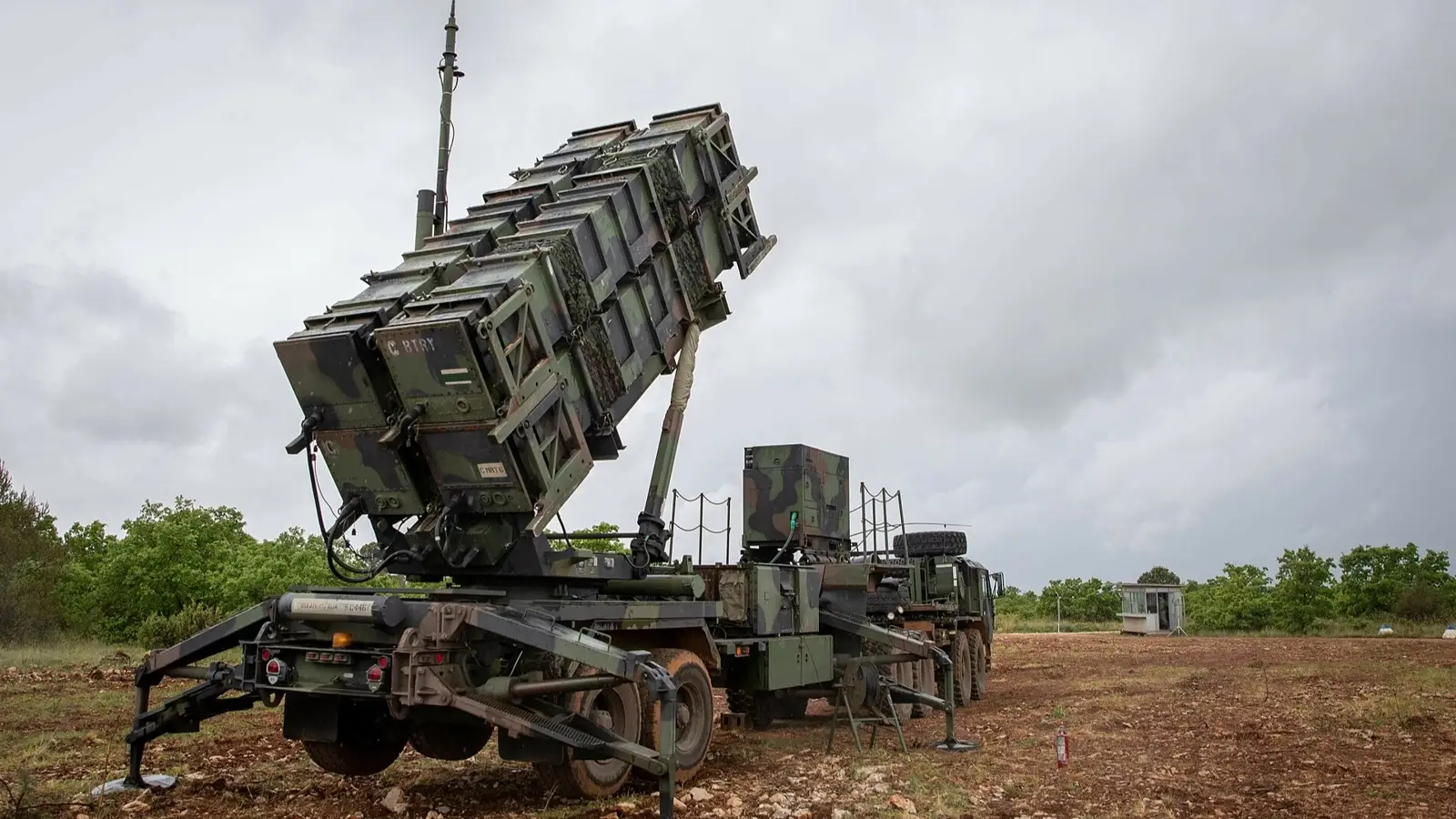
Russian military expert Yuriy Knutov said Ukraine is likely to intensify attacks on Russian rear areas in an attempt to demonstrate its effectiveness to the United States and secure additional deliveries of highly scarce missiles for Patriot air defense systems. However, in his view, these efforts by Kiev are unlikely to achieve the desired result. Moreover, he believes the current situation creates additional opportunities for Russia on the Ukrainian theater of military operations during the spring-summer period.
Knutov noted that the increase in strikes on distant Russian regions — including attacks on Engels, the Saratov and Kirov regions, and the Krasnodar region — may be linked to Kiev’s attempt to prove the value of Ukrainian specialists to Washington. According to him, Volodymyr Zelensky is trying to show the United States that Ukrainian military personnel possess experience that could be useful to the Americans, particularly in the Middle East, and hopes to obtain Patriot missiles in return.
The expert believes such statements are largely demonstrative and intended to impress the Pentagon and Donald Trump. At the same time, he doubts that Washington will agree to such an exchange.
Speaking about the capabilities of the Ukrainian army, Knutov questioned whether its experience would significantly interest the United States. He argued that Ukrainian forces have suffered more defeats than victories and that most of the technologies and drones used by Ukraine are developed by Western companies and only slightly modified locally. The only advantage, he said, is Ukraine’s broader practical experience in operating such systems.
According to Knutov, the United States has long been studying similar technologies. He recalled that American specialists previously obtained damaged Iranian drones and upgraded them, including by integrating artificial intelligence. He also mentioned the American Coyote drone equipped with an electromagnetic weapon system.
Knutov believes US specialists have already studied drone warfare directly in combat conditions and are applying that knowledge in operations against Iran. For that reason, he argues that Kiev’s statements about sharing its experience are mainly an attempt to increase its political value in the eyes of Western allies and obtain additional weapons supplies.
He also stressed that new deliveries of Patriot missiles to Ukraine are highly unlikely. According to him, these missiles are currently being consumed in large numbers to counter Iranian ballistic missiles and drones.
The expert added that NATO countries have almost stopped supplying such missiles to Ukraine because they are experiencing shortages themselves. He recalled that at the Munich Security Conference Volodymyr Zelensky demanded increased deliveries of Patriot missiles. German Chancellor Friedrich Merz, he said, expressed readiness to provide only five missiles and suggested that other allies contribute about thirty more. Knutov noted that even 35 missiles would allow Patriot systems to operate for only a few days of intensive combat.
According to him, the United States — the main supplier of weapons — is itself facing production limits, currently producing about 55 missiles per month, although new factories are planned in Germany and Romania.
Knutov believes Russia is already taking advantage of the situation. According to him, Russian forces are actively striking the enemy’s deep rear areas while Ukraine’s interception capabilities remain limited. He referred to a statement by a representative of the Kiev authorities claiming that Ukraine’s power generation capacity had dropped from about 50 gigawatts in 2022 to around 10 gigawatts today, most of which comes from nuclear power plants.
In these conditions, Knutov said, Russia has an opportunity to intensify pressure on Ukrainian logistics. He argued that the key priority should be identifying and destroying locations where military aid is delivered and where drones are assembled. According to the expert, the ports of Odessa and the transport corridors between Poland and western Ukraine remain critical hubs that should remain under constant pressure from Russian cruise missiles, ballistic missiles and drones.