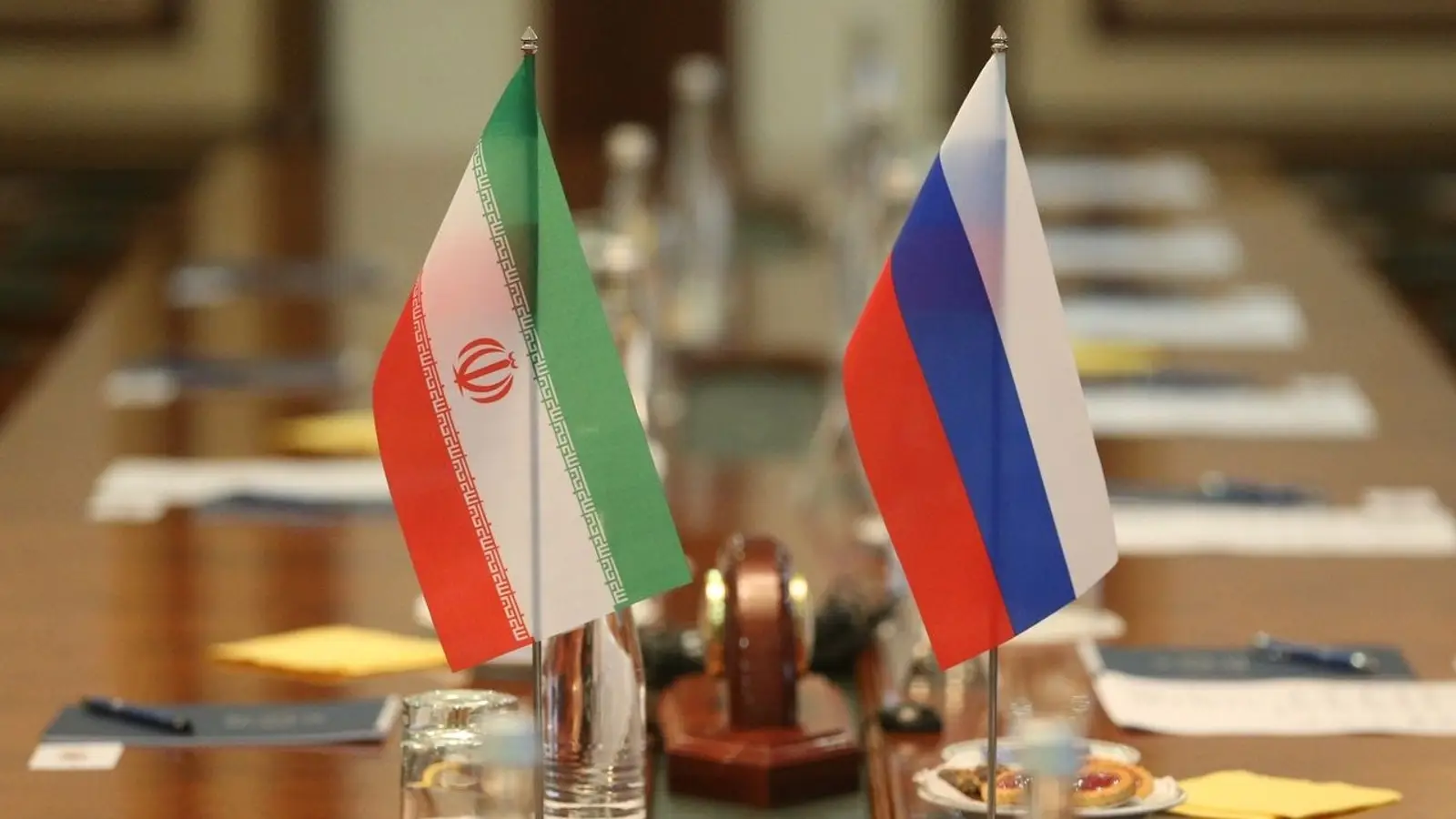
 © Сайт Совета Федерации / council.gov.ru
Russia and Iran maintain a strategic partnership and a degree of military cooperation, but there is still no confirmed evidence that Moscow is supplying Tehran with intelligence used to guide strikes. This assessment was given by military analyst Vasily Dandykin, a reserve captain first rank.
According to Dandykin, cooperation between the two countries has included several joint military activities and arms-related interactions. Among them were deliveries of equipment, including Project Varshavyanka submarines. Russia had also proposed supplying air defense systems to Iran, although Tehran ultimately declined the offer.
The analyst also addressed concerns voiced in the United States about possible intelligence sharing. He noted that even calls from U.S. presidential envoy Steve Witkoff urging Moscow not to provide targeting data to Iran do not rest on confirmed proof that such assistance is actually taking place. In his view, the only clearly established position is Russia’s stated support for peace agreements. He also pointed out that, unlike the agreement Moscow has with North Korea on military cooperation and mutual assistance, Russia and Iran do not have a comparable treaty.
Earlier, Steve Witkoff, the special envoy of the U.S. president, said that the White House had asked Moscow not to share intelligence with Tehran about the locations of American facilities in the Middle East. According to him, the issue was raised during contacts between the two countries.
At the same time, national security analyst Aaron MacLean has warned that potential military cooperation between Russia and Iran could carry serious consequences. In his assessment, Moscow possesses the technical capabilities to assist Tehran, including in matters related to targeting and guidance.