 By Fars Media Corporation,
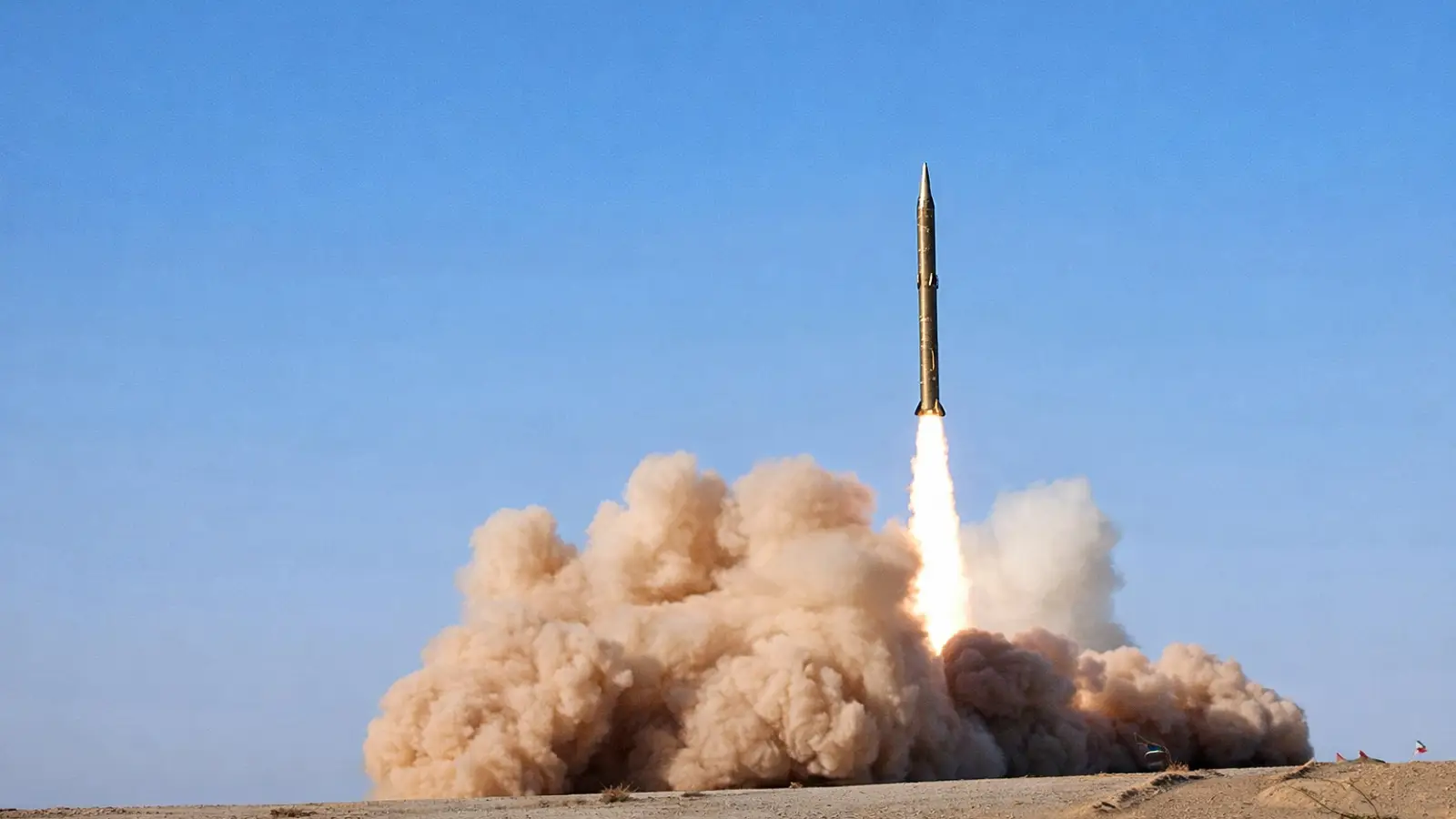
On the first day of the conflict, Iran fired around 350 missiles at American and Israeli targets. By the eighth day, however, the pace of strikes had sharply dropped: launches are now estimated at roughly 30 per day, a more than tenfold decrease.
The Telegram channel Voennaya Khronika («War Chronicle») argues that if this trend continues, the number of Iranian launches could fall to single digits as early as the second week of the war. The channel notes that this dynamic makes Tehran’s earlier claims about the scale of its missile capabilities look less clear-cut than they did at the start of the conflict. Before the fighting began, the Iranian side had consistently stressed its alleged ability to sustain prolonged, large-scale salvos.
The authors also point out that the real extent of the damage Iran has inflicted on the United States and its allies in the Middle East remains uncertain. They claim Washington has begun to conceal the consequences of Iranian strikes, even though some episodes are still widely discussed — in particular, reports of hits on elements of the US THAAD missile defence system and long-range radar assets at military bases.
In their view, this situation clearly illustrates a familiar problem in contemporary warfare: the intensity of combat can be measured fairly precisely in numbers of launches and strikes, while the actual scale of losses and damage often remains the subject of disputes and information battles long after the missiles stop flying.