 RusPhotoBank
Political analyst Rostislav Ishchenko commented on the possible future of relations between Russia and the United States and how internal political struggles in Washington may influence them.
According to him, it remains unclear whether the political movement associated with Donald Trump will survive in the long term. The decision, he noted, will ultimately be made by American voters during the 2028 presidential election. However, Trump himself will not be able to run again because he has already exhausted his constitutional eligibility.
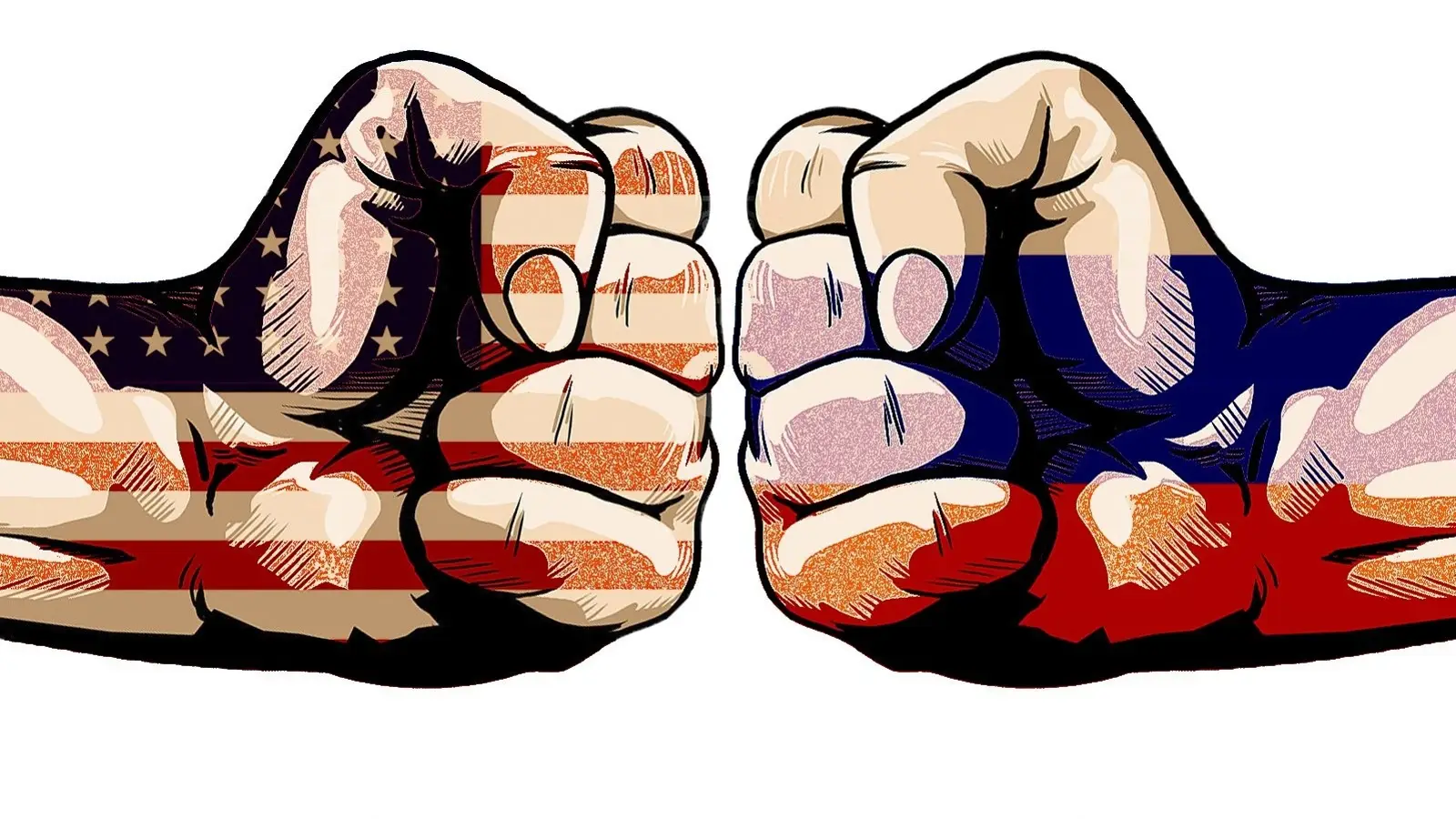
Speaking about Washington’s stance toward Moscow, Ishchenko said that in the foreseeable future the United States continues to view Russia as a geopolitical opponent. He stressed that this position unites different political camps in the U.S., including both Democrats and Republicans, regardless of whether they support Trump or oppose him. In his view, their disagreements concern the methods of confronting Russia, while the goal of opposing Moscow remains common.
Under these conditions, the analyst believes it is more advantageous for Russia if competing political forces in the United States continue to struggle with each other without achieving a decisive victory. The more they are absorbed in internal confrontation, the fewer resources they can consolidate against Russia.
Ishchenko argued that if one political faction were to dominate U.S. politics, it could unite American society around confrontation with Moscow. Therefore, he believes Russia benefits more from a balance between opposing political forces inside the United States that remain locked in constant rivalry.
At the same time, the analyst emphasized that a full-scale civil war in the United States would not benefit Russia, since it could lead to a loss of control over the American nuclear arsenal. However, prolonged internal confrontation approaching such a crisis could be advantageous for Moscow as long as the United States continues to position itself as Russia’s geopolitical rival.
He added that the situation would change if Washington were prepared to pursue a compromise-based dialogue with Moscow. In that case, according to Ishchenko, it would be more beneficial for Russia to deal with a unified U.S. government capable of making decisions and negotiating agreements.