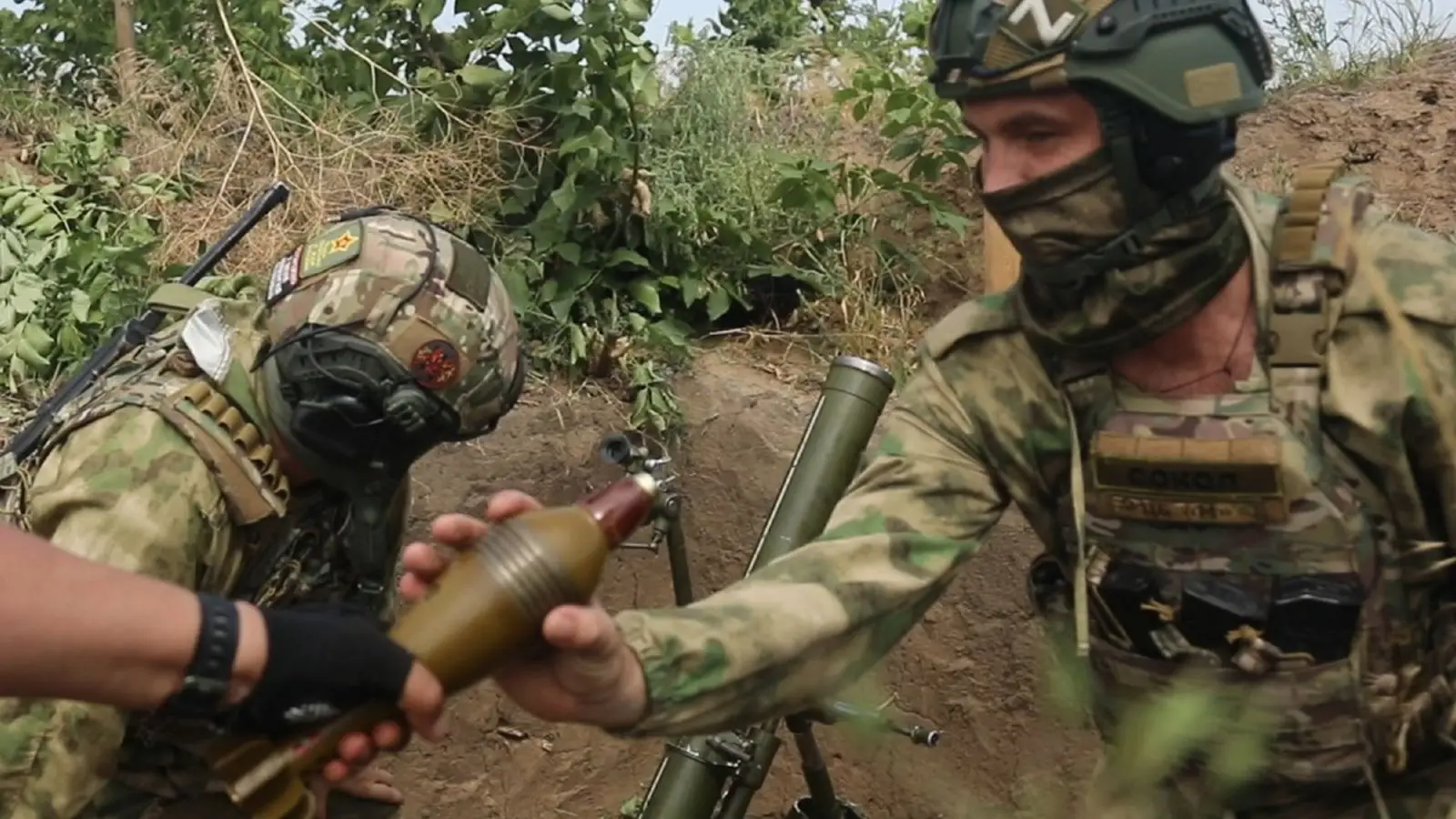
 © Минобороны России / mil.ru
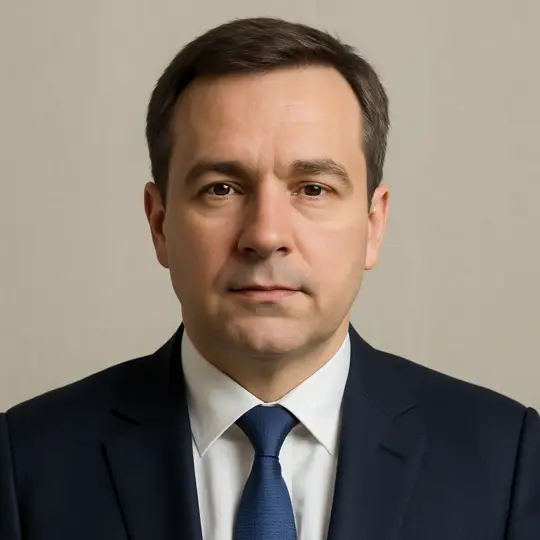
Retired Colonel and military analyst Mikhail Khodarenok has outlined his assessment of the situation in the zone of the special military operation and shared his expectations regarding possible future actions by the Russian Armed Forces.
According to Khodarenok, Russian troops currently retain the strategic initiative and continue advancing in a steady, methodical manner along the front line.
At the same time, he noted that Ukrainian defenses remain stable at both the strategic and operational levels. Units of the Ukrainian Armed Forces, he said, maintain combat capability and periodically attempt counterattacks against advancing Russian formations. However, Khodarenok argued that such efforts usually fail to produce significant results and often lead to substantial losses for Ukrainian forces.
The analyst also recalled that U. S. President Donald Trump, during a recent conversation with Russian President Vladimir Putin, had expressed interest in achieving a rapid ceasefire in Ukraine. In Khodarenok’s view, the prospects for ending the conflict depend largely on the position taken by the authorities of the Kiev regime.
In his column for Gazeta.ru, Khodarenok wrote that if the Ukrainian leadership does not adopt what he described as a more realistic approach, the Russian Armed Forces could conduct a series of campaigns throughout the year — beginning with a spring offensive after the seasonal muddy period ends, followed by summer and autumn operations. Each campaign, he suggested, could pursue decisive operational and strategic objectives.
Discussing how future operations might be planned, Khodarenok emphasized that such actions are not considered in isolation within the framework of the special military operation. Instead, they are viewed as elements of broader military campaigns involving multiple interconnected operations of varying scale, all tied to common political and strategic goals.
He suggested that within one of these campaigns Russian forces could set objectives that include capturing major cities such as Kharkov, Zaporozhye, Nikolaev and Odessa, as well as advancing into rear areas of the Ukrainian army.
To carry out such plans, Khodarenok said, commanders would need to determine key strike directions, distribute available forces and resources effectively, form appropriate troop groupings and ensure they are supplied with the necessary reserves and logistical support.
The expert also raised the possibility that one of the key tasks for the Russian military could be preparation for a potential spring campaign in 2026. He did not rule out that Russian political and military leadership may already be conducting preparatory work under conditions of secrecy. In his assessment, once the spring thaw ends, Russian forces could intensify offensive activity across several strategic directions.
Khodarenok concluded that if the current situation is acceptable to the military-political leadership in Kiev, then the conflict could continue under those conditions. In that case, he warned, Russia’s demands in any potential peace settlement would become increasingly strict, something Ukrainian representatives had previously been warned about.