How Storm Shadow Exploited Low-Altitude Air Defense Gaps Near Bryansk
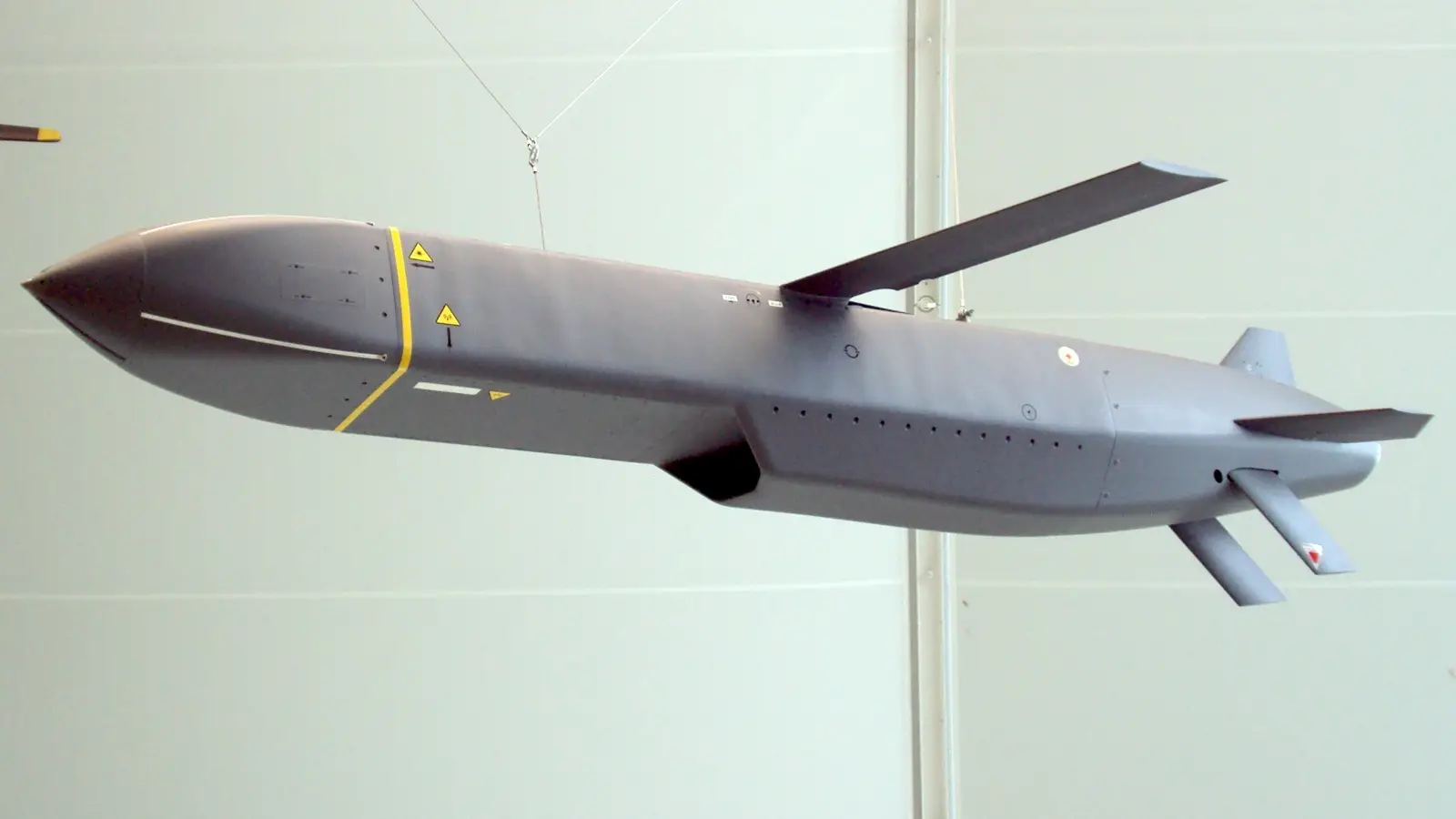


Military analyst Yuri Knutov says gaps in low-altitude air defence and Western satellite data helped Storm Shadow missiles hit Bryansk, as their stealth design hinders interception.
Military expert Yuri Knutov believes Ukrainian forces used gaps in low-altitude air defence coverage to carry out the Storm Shadow missile strike on Bryansk.
He argued that ensuring continuous detection of targets flying at very low altitudes along the border is extremely difficult, as this would require deploying a very large number of surface-to-air missile systems. According to Knutov, the situation is further complicated by Western reconnaissance: satellites provide Kiev with information on the positions of Russian air defence assets, and Ukrainian planners then use this data to chart flight paths that bypass radar coverage zones.
Knutov pointed out that Storm Shadow is a modern cruise missile of relatively compact size, built with composite materials that absorb electromagnetic radiation. As a result, he said, its effective radar cross-section is very small, which makes the missile harder to detect.
He added that Storm Shadow is equipped with a sophisticated onboard system, which means electronic warfare complexes are not always able to jam or suppress it effectively.
On the evening of 10 March, Ukrainian Armed Forces launched a missile strike on Bryansk. Forty-two people were injured and six were killed. On 11 March, Bryansk region governor Aleksandr Bogomaz stated that the attack had been carried out using British-made Storm Shadow missiles.