Strait of Hormuz Tensions Between the US and Iran Push Fuel Prices Higher
.jpg)

Escalating US–Iran tensions in the Strait of Hormuz disrupt shipping, drive up US fuel prices, and threaten global oil markets amid growing political pressure.
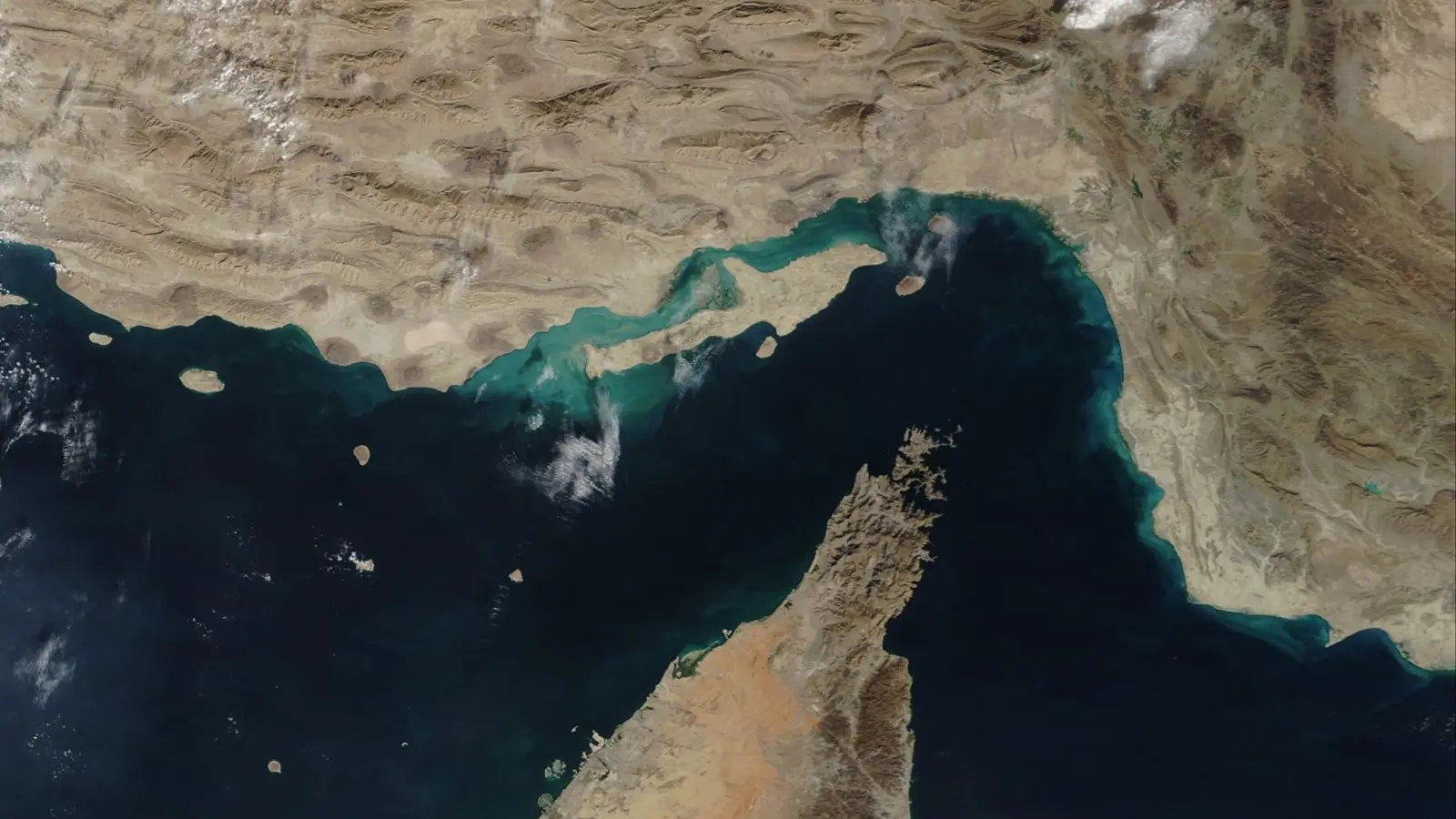
The Strait of Hormuz has emerged as one of the central flashpoints in the confrontation between the United States and Iran, and the fallout is already being felt by ordinary Americans. This assessment was reported by the German newspaper Süddeutsche Zeitung.
According to the publication, the narrow waterway has effectively become a decisive battleground in the standoff, exposing what the paper describes as a key vulnerability for the United States.
In recent weeks, fuel prices at gas stations across the United States have climbed noticeably. The newspaper notes that rising costs at the pump risk provoking consumer frustration and could create political challenges for the Republican Party as the midterm elections approach, now roughly eight months away.
Journalists also point out that since the start of the military operation in Iran, shipping traffic through the Strait of Hormuz has dropped by about 90 percent. As a result, storage facilities of oil exporters are rapidly filling up, forcing companies to scale back production. Saudi oil giant Aramco has already warned that such developments could lead to catastrophic consequences.
The military campaign against Iran began on the morning of February 28. The United States acted together with Israel, launching strikes on several cities in the Islamic Republic, including Tehran. One of the targets was the residence of the country’s supreme leader, Ali Khamenei, who was killed in the attack.
Tehran responded with missile strikes and drone deployments. The retaliation targeted sites in Israel as well as American air bases located across the Middle East.