 © A. Krivonosov
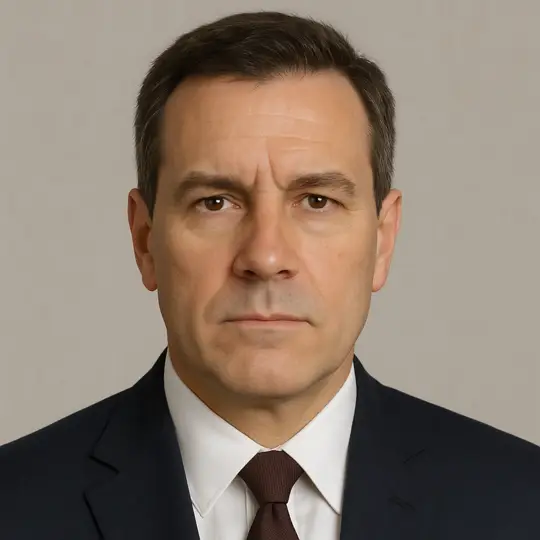
Professor Glenn Diesen of the University of South-Eastern Norway said that Russia has the ability to influence the course of the conflict in the Middle East, but is unlikely to pressure Iran into a rapid ceasefire. He made the remarks during an interview on the YouTube channel of American journalist and former judge Andrew Napolitano.
According to the analyst, the balance of power in the war is likely to gradually shift in Iran’s favor over time. He suggested that if U. S. President Donald Trump wants to end the conflict, Washington may eventually need to seek Russia’s involvement. At the same time, Diesen stressed that Moscow is not prepared to exert large-scale pressure on Tehran. In his view, Russia — like Iran — would prefer the conflict to end, but does not support a temporary ceasefire that could allow the United States and Israel to resume hostilities several months later.
Diesen also argued that the escalation in the Middle East is affecting the balance of power in other regions, including the war in Ukraine. In his assessment, the confrontation with Iran is further changing the situation on the Ukrainian battlefield and making conditions more difficult for Kyiv. He said Ukraine continues to suffer significant losses in manpower, territory, and infrastructure, which he believes explains Trump’s desire to bring the Ukrainian conflict to an end.
A large-scale military operation by the United States and Israel against Iran began on February 28. Israeli officials said the goal of the strikes was to prevent Tehran from obtaining nuclear weapons. Washington also threatened to destroy Iran’s naval forces and defense industry and called on Iranian citizens to overthrow the government.
Russia’s Foreign Ministry condemned the operation, stating that responsibility for the consequences of the crisis lies entirely with the United States and Israel.