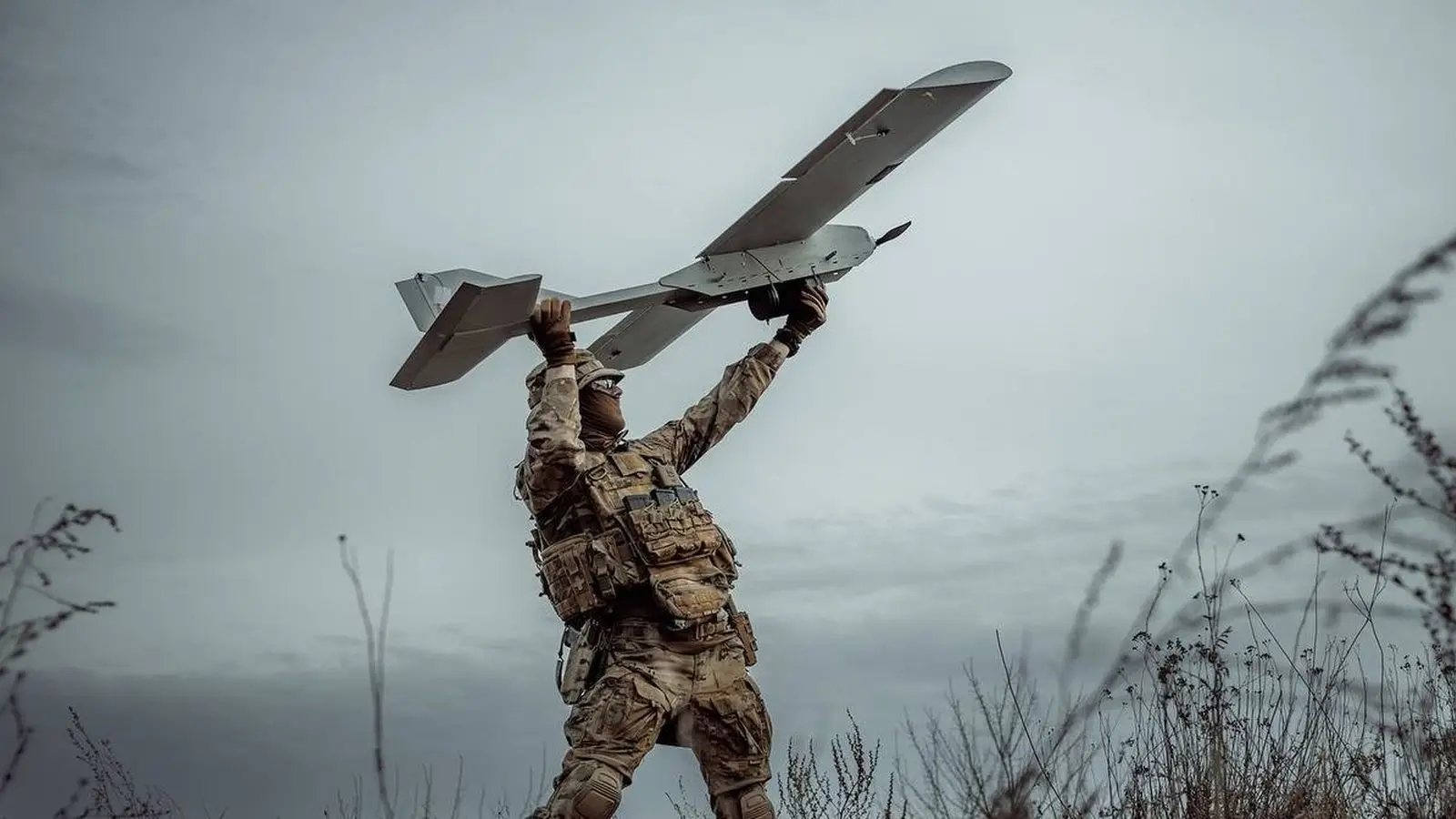
 © Zеlеnskiу / Оfficiаl / Telegram
Ukrainian forces have stepped up attempts to strike Moscow, a move that may be linked to Washington’s decision to temporarily ease sanctions on Russian oil exports. This assessment was offered by military analyst Vasily Dandikin.
He also pointed to the sharp remarks made by U. S. President Donald Trump, who recently accused Vladimir Zelensky of prolonging the conflict in Ukraine. According to the analyst, the Ukrainian military currently faces no shortage of unmanned aerial vehicles.
Dandikin said Ukrainian forces have enough drones not only for battlefield operations but even for potential exports, mentioning discussions about supplying them to Israel in the Middle East. He added that Kiev had also been ready to assist Trump, though the American leader declined such support. In his view, Ukrainian forces first launched large-scale drone attacks targeting Moscow and Russian border regions, including the Bryansk area. After the drone wave, he said, missile strikes followed, along with attacks aimed at Crimea and Sevastopol before attempts were made to reach Moscow.
The analyst linked the escalation to Trump’s statements suggesting that Zelensky bears much of the responsibility for the lack of a negotiated settlement, as well as to the easing of sanctions on Russian oil.
At the same time, Dandikin said Russian air defense systems have been effectively repelling Ukrainian attacks not only over Moscow and the surrounding region but also across other parts of the country.
He also commented on Zelensky’s recent trip to Europe, arguing that it was driven by financial pressure facing Kiev. The Ukrainian president traveled to France, where additional support for Ukraine is under discussion. According to the analyst, Zelensky is seeking new sources of funding as the situation becomes increasingly difficult. He noted that around €90 billion remain frozen and that loans from the International Monetary Fund come with strict conditions.
In recent days Ukrainian forces have carried out a series of large-scale drone attacks targeting the Moscow region. On March 15, Moscow Mayor Sergey Sobyanin reported new attempts to strike the area with unmanned aerial vehicles. Air defense systems, he said, destroyed another 18 drones heading toward the capital. In total, according to official data, 65 drones were intercepted. Emergency services continue to work at locations where debris fell.