 ©
© 

Restoring safe navigation through the Strait of Hormuz would require a substantial deployment of U.S. military resources and could take a long time to achieve. This assessment is outlined in an analysis published by The Wall Street Journal.
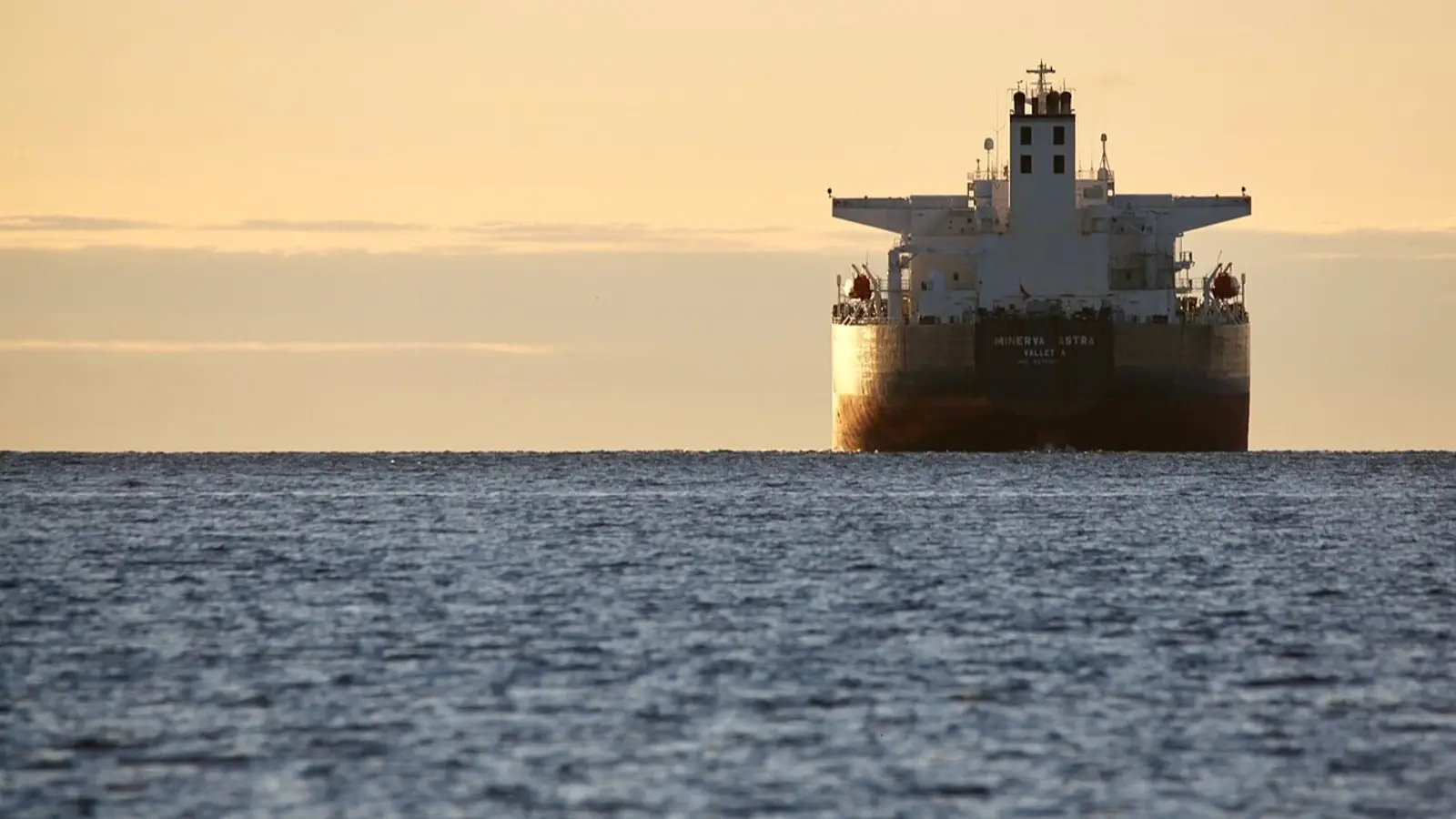
U. S. President Donald Trump recently said that shipping through the strait-closed by Iran following strikes on its territory-could soon resume. According to the American leader, U.S. naval vessels may begin escorting oil tankers moving through the waterway.
However, the newspaper reports that U. S. Navy ships have not yet entered the narrow passage itself, which is only about 33 kilometers wide. The hesitation is attributed to the high risk of attacks from Iranian drones and anti-ship missiles.
Specialists interviewed by the publication say that ensuring safe passage could require as many as two warships to escort each tanker. In addition, at least 12 MQ-9 Reaper drones might be needed to patrol the area and potentially strike missile launch sites along the Iranian coastline. Such an operation, according to experts, would involve several thousand military personnel and significant financial costs.
A more radical option being discussed involves establishing control over parts of Iran’s southern coastline in order to prevent attacks on passing vessels. The authors note that this approach carries even greater risks. It would likely require a large-scale ground operation and could trigger prolonged clashes with units of the Islamic Revolutionary Guard Corps, whose strength is estimated at around 190,000 personnel.
Even if coastal areas were secured, the threat to shipping would not disappear entirely. Iran retains the ability to strike vessels from a distance using missiles and unmanned aerial systems.
The strategic importance of the Strait of Hormuz adds to the stakes. Roughly 20 percent of the world’s oil supply and up to 30 percent of global liquefied natural gas exports move through this narrow maritime corridor.