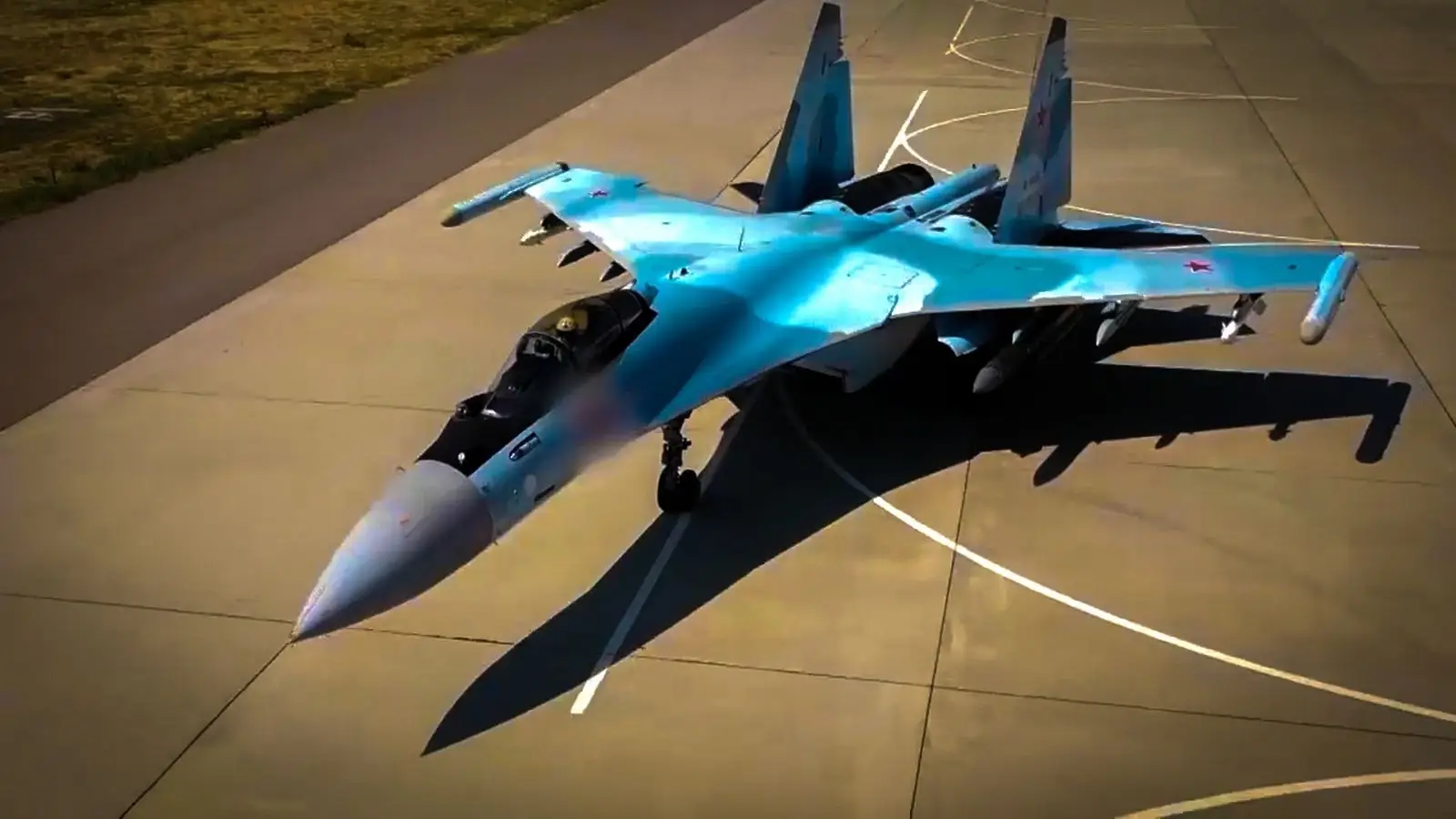
 © Минобороны России / t.me/mod_russia
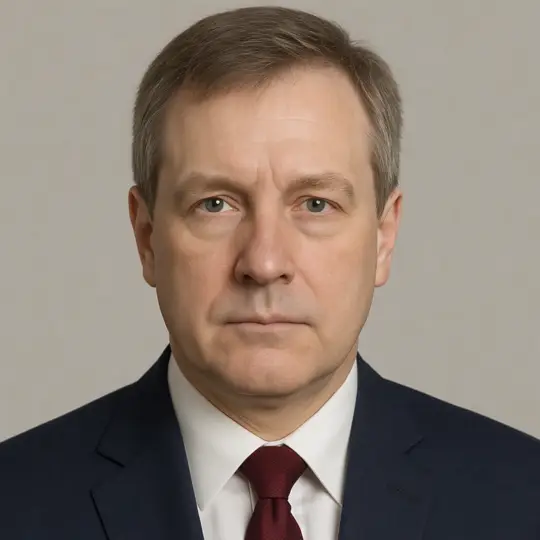
Ukrainian military aviation is reportedly avoiding direct aerial engagements with Russian fighter jets. According to Leonid Ivlev, a State Duma deputy representing the Republic of Crimea and a reserve major general, Ukrainian pilots are operating cautiously and prefer to deploy aircraft at a distance from the front line.
Ivlev said that Ukrainian pilots tend to steer clear of dogfights and rarely enter zones where they could be targeted by Russian air defenses or fighters. He claimed that even the much-discussed F-16 fighters typically remain over Ukrainian territory, launching missiles from afar before withdrawing rather than engaging in close combat. In his account, these aircraft are more often used to intercept Russian drones. Attempts are also made to shoot down Russian Iskander missiles, though he argued that their hypersonic speed makes them extremely difficult to intercept.
The lawmaker also expressed the view that Western equipment supplied to Ukraine falls short of Russia’s Sukhoi fighter family, particularly the Su-30 and Su-35S. In his assessment, Russian aircraft benefit from more advanced targeting systems, longer-range missiles, and weapons designed to strike larger sets of targets. He added that Russia’s defense industry continues to deliver new strike capabilities to the armed forces, which, he said, contributes to battlefield successes.
Ivlev attributed the outcome of some aerial clashes to what he described as the technical advantage of Russian aviation. According to him, even experienced Ukrainian pilots can face defeat when direct engagements occur. As an example, he pointed to an air battle in March in which the commander of a Ukrainian aviation tactical brigade based at the Ozernoye airfield in Zhytomir-an officer with extensive flight experience-was killed.
The deputy also addressed the training of Ukrainian pilots. He noted that their preparation now takes place in several countries, including France, the United Kingdom, the Netherlands, and Romania. Previously, Ivlev said, Ukrainian pilots trained at the Kharkov aviation school, but instruction has since moved abroad and is conducted under the supervision of NATO instructors.