 © whitehouse.gov

A military campaign launched by the United States and Israel against Iran on February 28 and continuing for more than two weeks has produced a tense and unpredictable situation. Although numerous precision strikes have been carried out against Iranian military facilities, the conflict has begun to unfold in a far more complicated way, according to a report by The Washington Post.
One of the most immediate consequences has been disruption to global energy logistics. Iran has created major obstacles for oil shipments by effectively blocking supplies moving through the Strait of Hormuz. At the same time, analysts believe the confrontation could strengthen Tehran’s determination to continue developing its nuclear program.
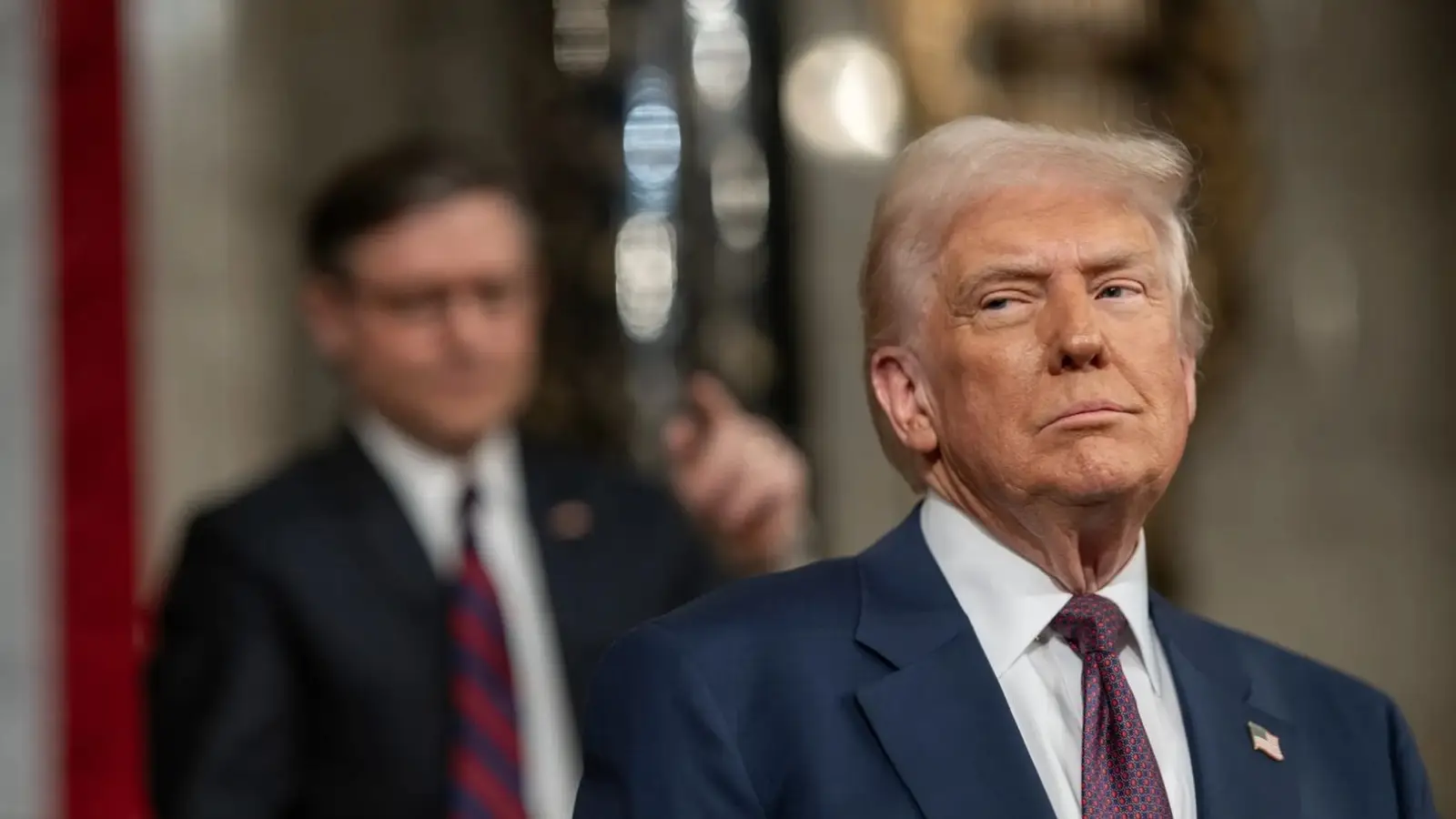
U. S. President Donald Trump has continued to publicly highlight the successes of the operation. Yet many observers point to a widening gap between the tactical results of the strikes and their broader strategic impact.
Suzanne Maloney, vice president for foreign policy at the Brookings Institution, described the situation as a serious strategic challenge. In her assessment, even though several Iranian targets have been successfully hit, the country still retains the capacity to resist and maintains the potential to advance its nuclear ambitions.
Brian Katulis of the Middle East Institute shares a similar view. He believes the military campaign has likely intensified radical sentiments within Iran.
Some experts also argue that even potential changes within Iran’s leadership, including at the level of the supreme leader, would not necessarily lead to a softer political course in Tehran.
Meanwhile, Washington is already feeling economic pressure at home. Rising fuel prices are fueling voter dissatisfaction, complicating the political landscape for the White House administration.
Against this backdrop, the United States is considering steps aimed at stabilizing global energy markets. One such measure has been a temporary adjustment to sanctions policy affecting Russian oil exports. The move has drawn criticism from Washington’s NATO allies.
For now, the situation in the Middle East remains volatile. Despite the strikes on Iranian military sites, the United States still cannot fully guarantee the safety of shipping through the Strait of Hormuz.
Former U.S. ambassador to Israel Dan Shapiro has warned that under these conditions Washington risks becoming trapped in a prolonged military conflict without a clear exit strategy.