 © Минобороны России / mil.ru

Military operations undergo noticeable changes with the arrival of spring, according to military analyst and retired Spetsnaz colonel Anatoly Matviychuk. He points out that seasonal shifts affect not only tactics but also the technical and logistical aspects of warfare.
As temperatures rise, military equipment in the combat zone is switched to seasonal fuels and lubricants. This transition is necessary to maintain performance under new conditions. Early spring, he notes, brings the so-called «rasputitsa»-a period of heavy mud, especially in areas with clay-rich soil. These conditions significantly reduce mobility, making it essential to improve the cross-country capability of vehicles, particularly those on wheels, while also carrying out routine seasonal maintenance.
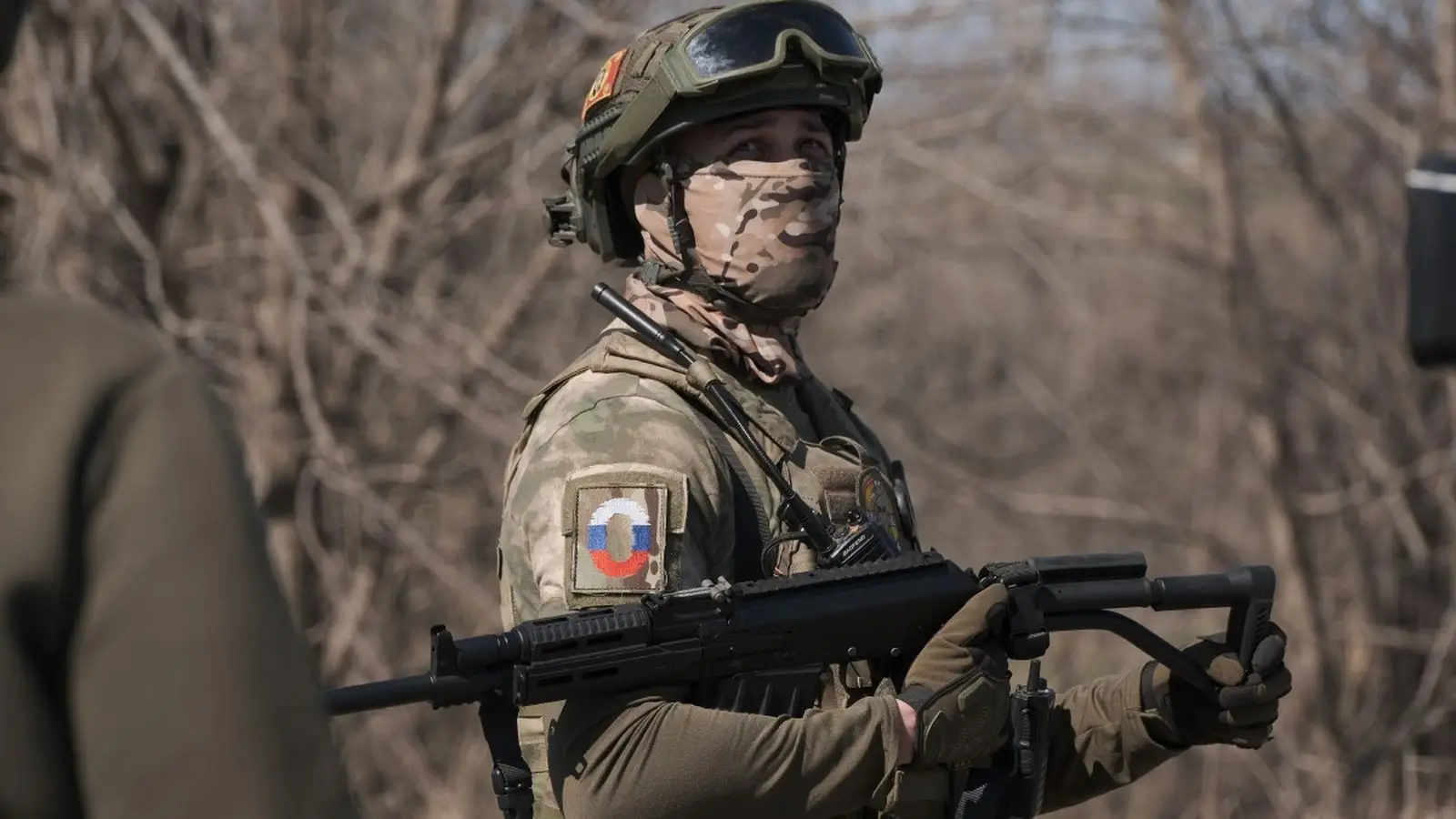
The change in season also impacts personnel. Soldiers must adapt to sharp weather fluctuations, which directly affect both living conditions and operational effectiveness. This requires adjustments in uniforms and gear, as well as changes in diet. As winter ends, heavier, high-fat meals give way to a regulated spring-summer ration better suited to warmer conditions.
Matviychuk also highlights shifts in battlefield tactics. With vegetation returning, forces gain more opportunities for concealment. As a result, operations increasingly rely on stealth, flanking maneuvers, and attempts to encircle opposing units rather than direct engagements.