 /
/ 
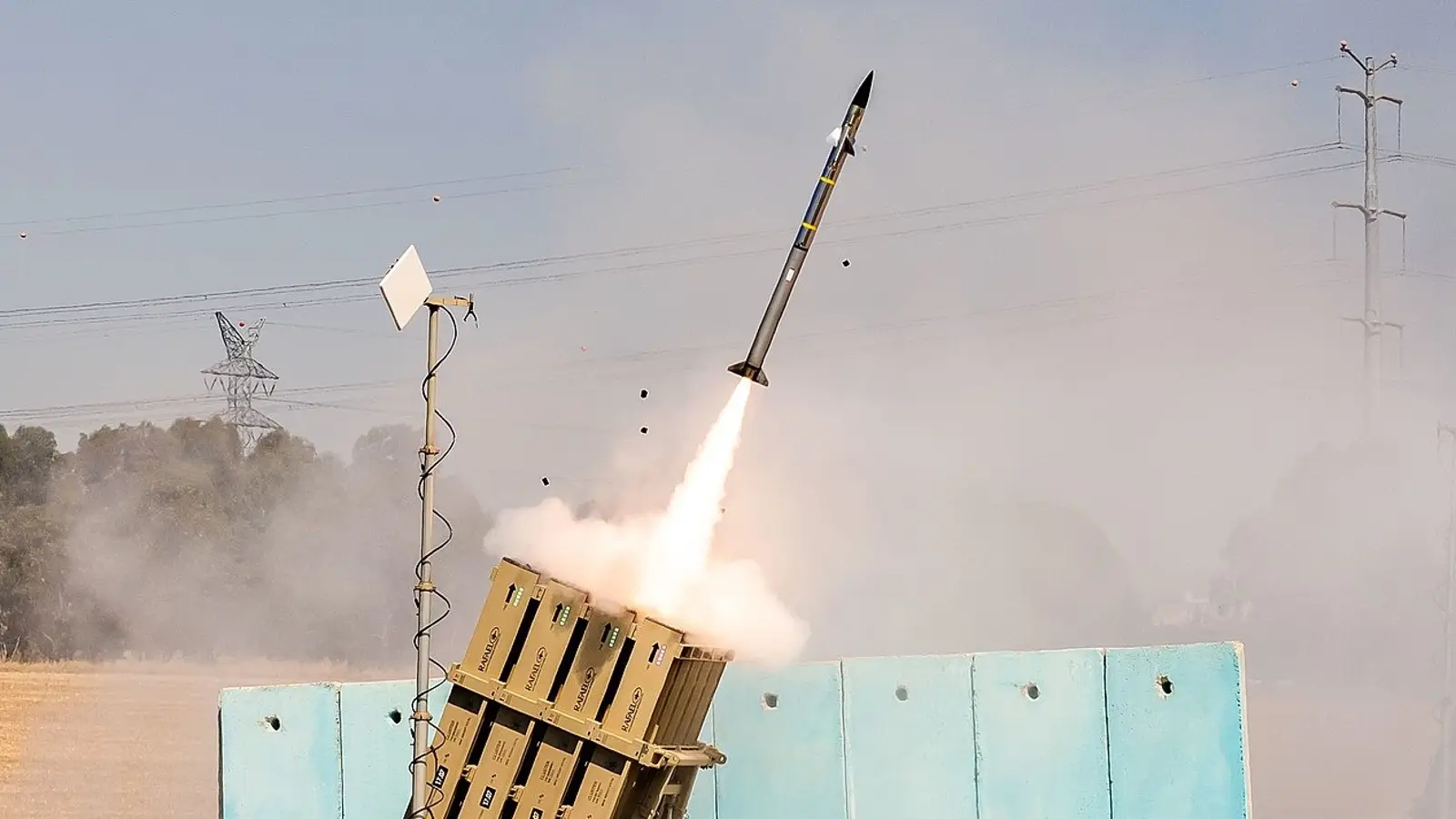
The incident that took place on March 17 in Jerusalem has reignited discussions about the vulnerability of Israel’s air defense system. According to available reports, Iranian missiles exploded in close proximity to the residence of Prime Minister Benjamin Netanyahu. Israeli authorities have not officially commented on the situation, but experts are already analyzing why the Iron Dome system failed to prevent the strike.
The attack is reported to have been highly precise and may have targeted government facilities. Although there has been no confirmation from the IDF, the very fact that the layered air defense system was penetrated has raised serious questions. While some media outlets described the incident as an attempted assassination or an act of retaliation, military analysts view it primarily as an indication of weaknesses in air defense.
Military expert Viktor Litovkin believes the issue lies not in a malfunction but in inflated expectations of the system’s capabilities. He noted that the Iron Dome was originally designed to intercept short-range rockets and is not a universal defense solution.
According to him, two key limitations became evident. The first is the system’s limited interceptor capacity and its inability to simultaneously engage a large number of targets. In the case of mass attacks, when the number of incoming projectiles exceeds interception capacity, some inevitably get through.
The second limitation is technical. The Iron Dome is not designed to intercept medium- and long-range ballistic missiles or high-speed targets. Its effectiveness drops sharply when faced with such threats.
The Iron Dome has been in service with the Israeli military since 2011 and has previously demonstrated high efficiency, intercepting thousands of rockets. However, as adversaries adapt and evolve their tactics, vulnerabilities in the system are increasingly exposed.
The Jerusalem incident, in which missiles landed near the prime minister’s residence, is seen not only as a political signal but also as a sign of technical challenges in Israel’s defense system. Experts suggest that Israel may need to strengthen its air defense with additional systems or increase the number of launchers in critical areas.