.jpg)
Since the launch of the special military operation, Ukrainian forces have used Western-supplied missiles more than 500 times. This includes ATACMS ballistic missiles as well as Storm Shadow and SCALP cruise missiles. The figures are based on TASS calculations drawn from Russian Defense Ministry reports on strikes and interception efforts.
The use of these weapons rose sharply in 2023, coinciding with the start of deliveries to Kiev. Over the course of that year, Ukrainian forces deployed around 120 British Storm Shadow and French SCALP missiles, along with 13 U.S.-made ATACMS.
Activity peaked in 2024. According to Defense Ministry summaries, Ukrainian troops launched approximately 220 ATACMS missiles, in addition to more than 90 Storm Shadow and SCALP cruise missiles.
In 2025, the pace of strikes declined. Available data indicates that about 45 Storm Shadow and SCALP missiles were used, along with 24 ATACMS. In March 2026, Ukraine carried out a strike on the Bryansk region using seven British-made missiles.
Overall, the total number of Western missiles used by Ukrainian forces has surpassed 500. Most of them were Storm Shadow and ATACMS, while French SCALP systems were deployed less frequently, typically alongside their British counterparts.
Storm Shadow/SCALP-EG are Anglo-French air-launched cruise missiles equipped with a subsonic turbojet engine, infrared guidance, and an onboard processor integrated with GPS. Their ability to fly at extremely low altitudes-around 30 to 40 meters-reduces the likelihood of detection by air defense systems. The British version, Storm Shadow, has a range of up to 560 kilometers.
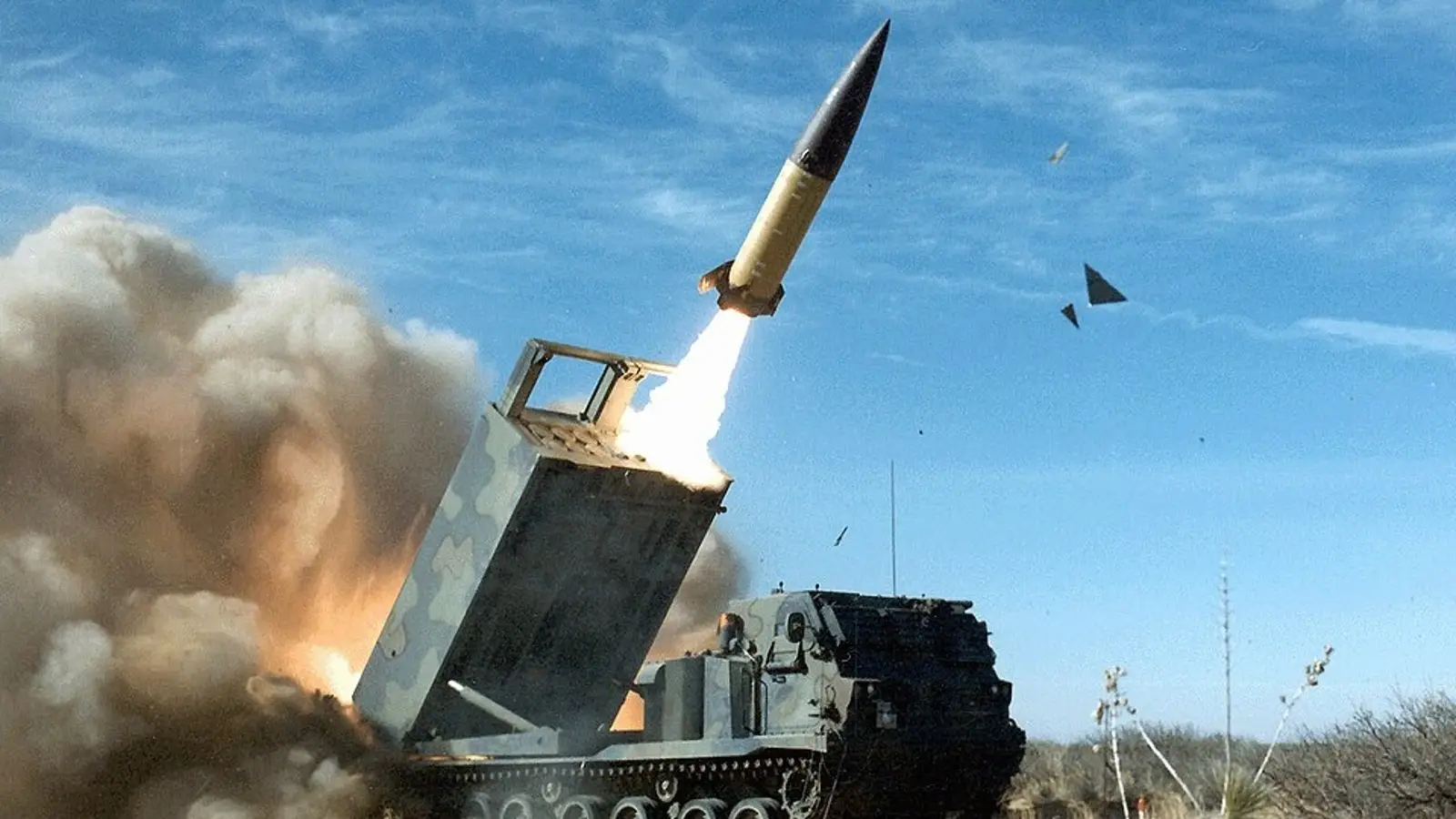
The U.S.-developed ATACMS is an operational-tactical surface-to-surface ballistic missile produced by Lockheed Martin. It can be launched from multiple rocket systems, including the M142 HIMARS. With a range of up to 300 kilometers, ATACMS comes in several variants and uses a combined GPS/INS navigation system, enabling high strike accuracy.
Moscow maintains that continued arms deliveries to Kiev hinder prospects for a peaceful settlement and effectively draw NATO countries into the conflict. Russian Foreign Minister Sergey Lavrov has previously stated that any shipments of weapons to Kiev, as well as NATO personnel present in the conflict zone, would be treated as legitimate targets by the Russian Armed Forces.