 RusPhotoBank

The demands put forward by U. S. President Donald Trump for allies to take a more active role in securing the Strait of Hormuz have marked a turning point for both European and Asian countries. According to a Bloomberg report, a number of governments have chosen to distance themselves from Washington’s position in this standoff.
As the publication notes, mounting pressure from the White House — including calls to deploy military vessels to the region — forced European nations that had previously backed actions against Iran to reassess their stance. The situation escalated when Trump insisted that Europe and Asia send ships to help restore tanker traffic through the Strait of Hormuz, a critical global trade route that had been disrupted by the threat of Iranian attacks.
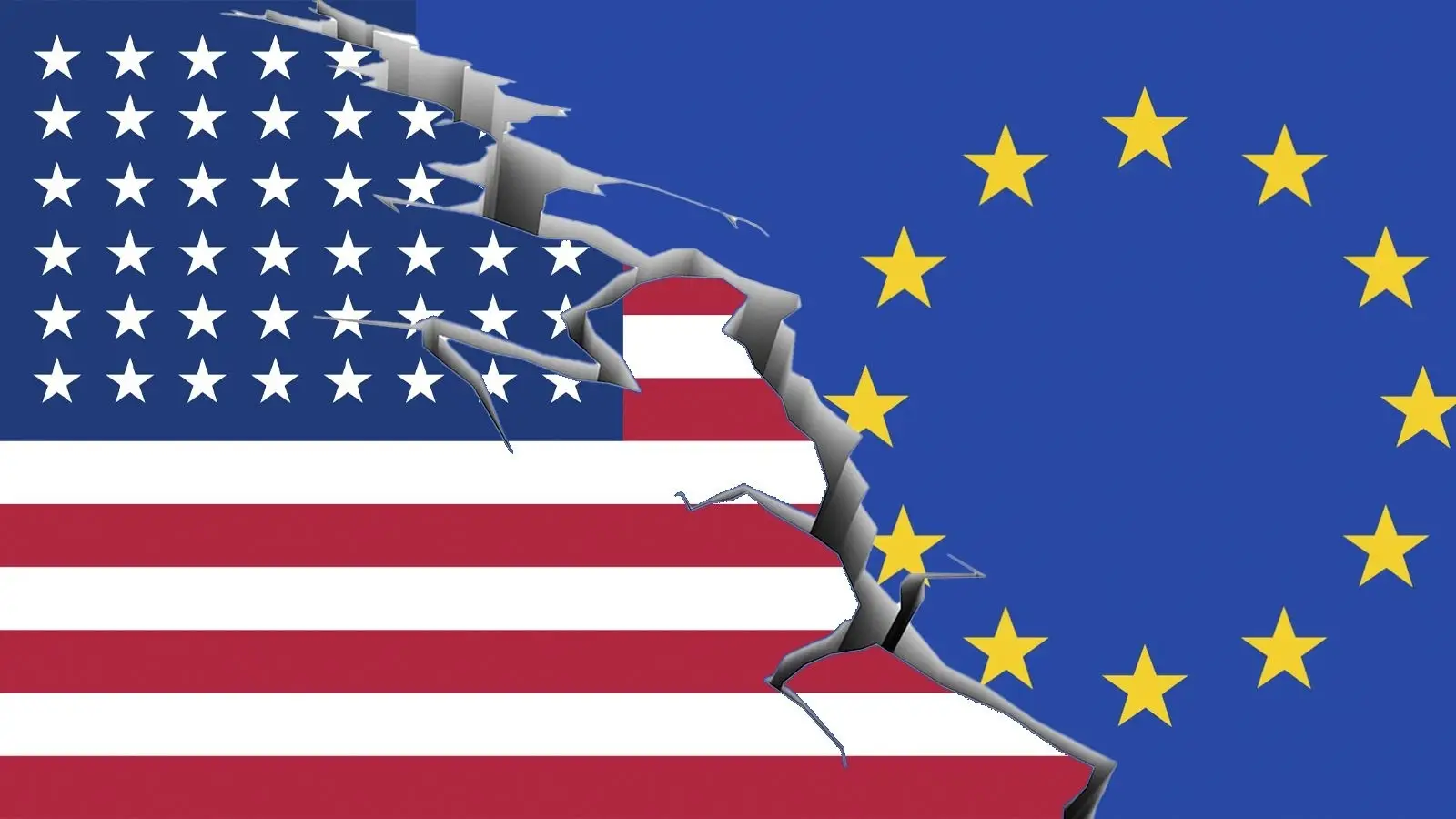
Where European leaders had once tried to smooth over differences and accommodate U.S. expectations, their tone has since hardened. Several countries have now openly declined to support Washington’s initiative. Bloomberg’s analysts point out that this more direct response reflects a broader shift in how Europe is recalibrating its relationship with the United States.
On March 17, Trump sharply criticized NATO, arguing that the alliance was making a serious mistake by failing to back the U.S. operation against Iran.