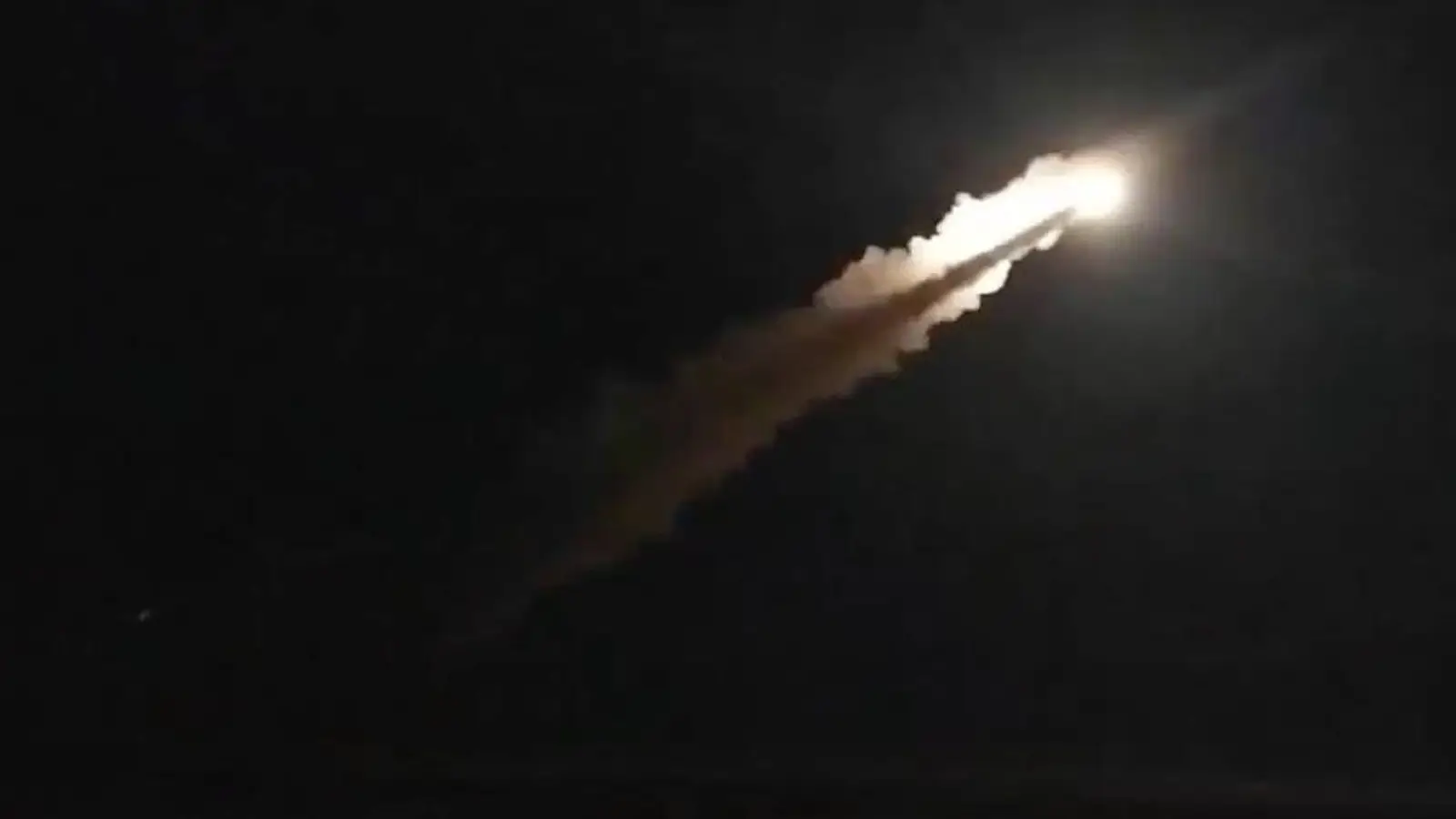
 © Минобороны России / t.me/mod_russia

US media are analyzing the ability of Middle Eastern countries to protect oil and gas infrastructure amid recent developments linked to Iranian strikes. In response to attacks on its territory, Tehran is using drones and missiles to target both military bases and energy facilities across the region.
Experts note that in recent years, Middle Eastern states have purchased large volumes of weapons from the United States. As an example, the US State Department approved arms sales worth $23.5 billion in a single day.
These purchases included Patriot air defense systems, Chinook helicopters, upgraded F-16 fighter jets equipped with AMRAAM missiles, and counter-drone systems supplied to Jordan, Kuwait, and the UAE. Other Gulf states, including Qatar and Bahrain, also acquired US weapons worth billions of dollars.
However, analysts now point out that these systems have shown limited effectiveness against modern drone and missile attacks, which continue to damage military assets, refineries, and oil and gas fields.
The estimated damage to infrastructure across the Middle East has reached around $600 billion. When combined with damage inflicted on Iran by US and Israeli strikes, total losses may approach $1 trillion.
Against this backdrop, countries in the region are once again turning to the United States for assistance, despite growing recognition that even extensive arsenals cannot guarantee full protection of critical infrastructure, including energy facilities.