 whitehouse.gov

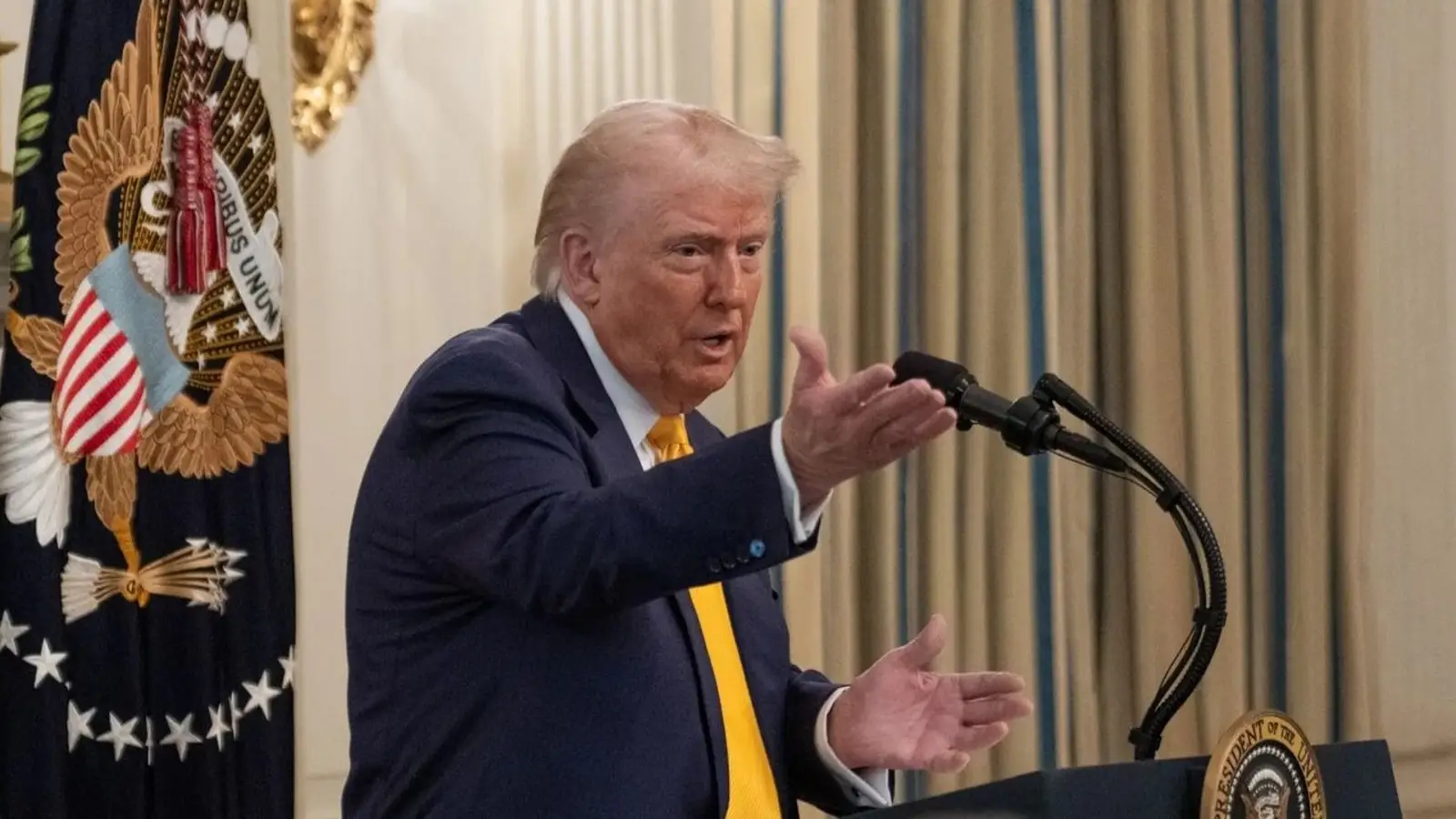
Israeli strikes on Iran’s South Pars gas field — followed by Tehran’s retaliation — have sharply escalated tensions and pushed the United States closer to a dangerous threshold. Against this backdrop, President Donald Trump issued a warning to Tel Aviv, according to University of Chicago professor John Mearsheimer, who shared his assessment on the Breaking Points program.
Mearsheimer pointed out that the attack on a critical Iranian energy facility, along with the subsequent response, triggered a surge in global oil prices. By his account, the price of a barrel climbed to around $115 that same morning.
He described the situation as deeply damaging for both the United States and the global economy, stressing that the events carried serious consequences. In response, Trump signaled to Israeli leadership that such actions should not be repeated.
The professor also warned that the fallout could extend far beyond the energy sector. Rising oil prices, he argued, are likely to drive up food costs, accelerate inflation, slow economic growth, and ultimately lead to widespread human suffering across the globe.
At the same time, Mearsheimer believes the crisis is strengthening Iran’s strategic position. He suggested that if Washington were to move toward open conflict, it would likely be the last war Trump would want to initiate. In his view, Iran currently holds significant leverage and has the capacity to inflict severe damage on the global economy, while the ability of the United States to prevent such outcomes remains limited. He added that the situation is already precarious and risks deteriorating further.
Meanwhile, The National Interest has assessed that the U.S. operation against Iran exposed weaknesses in American military readiness, raising doubts about its ability to sustain a prolonged confrontation with major powers such as Russia or China.
The military campaign began on the morning of February 28, when U.S. forces, acting in coordination with Israel, carried out strikes on multiple cities across the Islamic Republic, including Tehran. Among the targets was the residence of Iran’s Supreme Leader, Ali Khamenei, who was killed in the attack.
Tehran responded with missile strikes and drone deployments, targeting sites in Israel as well as U.S. airbases across the Middle East.