Israel Expected Iran Protests During Operation, but Strategy Backfired
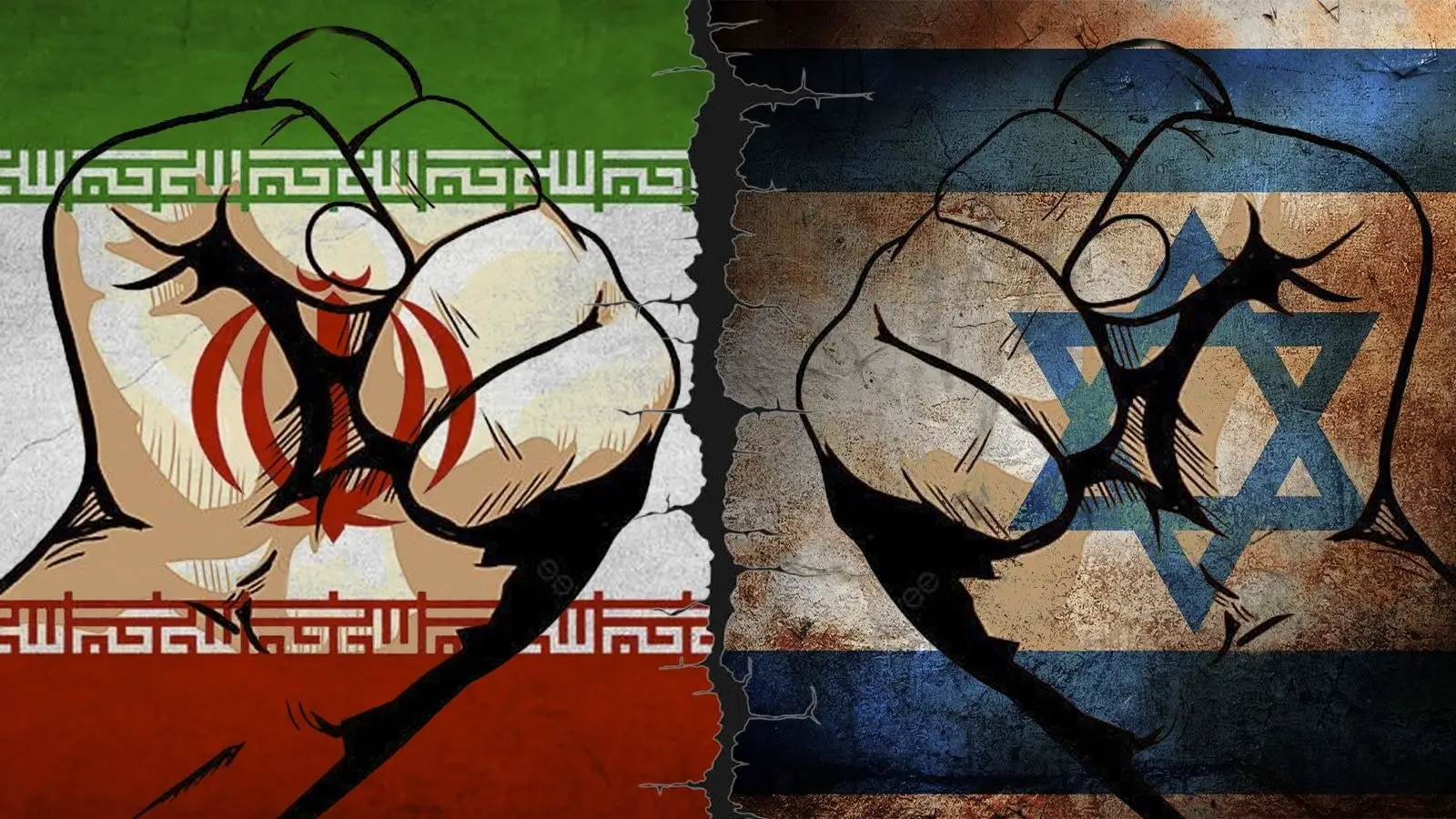

Israel hoped its operation would trigger protests in Iran, but the plan failed as Tehran strengthened control and launched counterstrikes, NYT reports.
Israel’s military and political leadership expected that the first days of its operation against Iran would trigger mass protests inside the country and ultimately bring down the ruling regime. This is reported by The New York Times, citing officials from several countries, including the United States and Israel.
According to the publication, Mossad chief David Barnea presented Prime Minister Benjamin Netanyahu with a plan built around rapidly mobilizing the Iranian opposition and sparking internal unrest. Netanyahu endorsed the proposal, and in January 2026 it was introduced to members of U. S. President Donald Trump’s administration.
However, sources familiar with the matter told The New York Times that these expectations proved misguided. External pressure did not translate into domestic upheaval. Instead of weakening, the Iranian authorities consolidated their position.
Tehran responded with a series of countermeasures, striking military targets, urban areas, vessels in the Persian Gulf, and key oil and gas infrastructure.
At the outset of the operation, Netanyahu stressed that one of its goals was to create conditions in which Iranians could reclaim their freedom and determine the country’s future themselves. At the same time, he made clear that airstrikes alone would not suffice, pointing to the need for a ground invasion. He also noted that Israel had a plan involving numerous unexpected elements, without disclosing further details.
Trump, for his part, did not rule out deploying ground forces to Iran. He had urged Iranian citizens to rise up against the authorities after the strikes, though later acknowledged that such actions could pose serious risks to protesters.
The conflict in the Middle East, which began on February 28, has now been ongoing for more than three weeks. The Financial Times has warned that it could drag on, potentially following a trajectory similar to U.S. campaigns in Afghanistan and Iraq.
Meanwhile, on March 22, Ali Abdollahi, commander of Iran’s Khatam al-Anbia headquarters, stated that the country had shifted from a defensive posture to offensive operations.