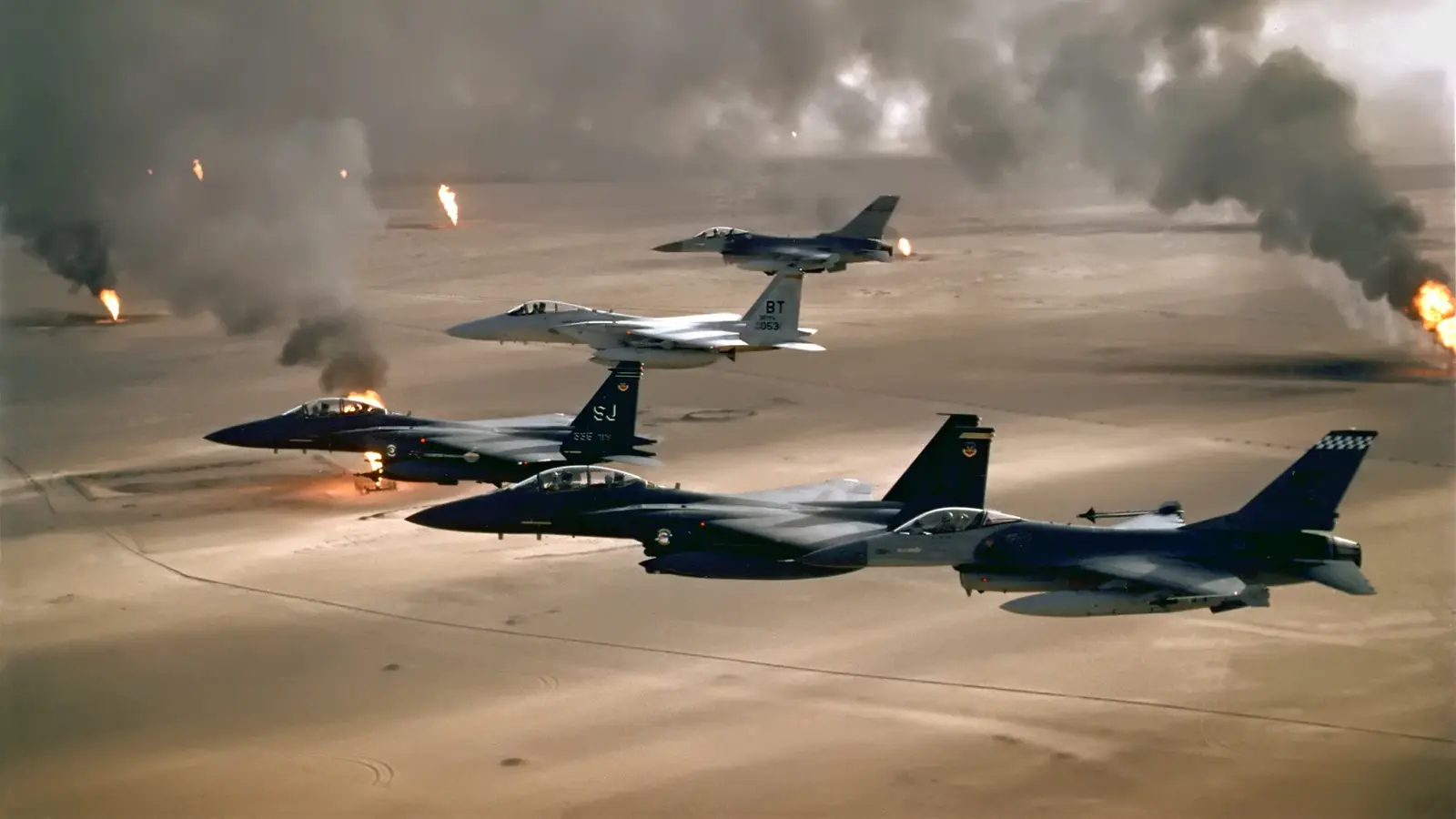


According to analysts at the Turkish newspaper Ekonomim, the outcome of the Middle East conflict may ultimately be shaped by oil prices. In their view, much will depend on fluctuations in energy markets and on how sharply economic pressure builds on the parties involved.
The publication argues that rising oil prices are increasing pressure on all sides and affecting the likely duration of the conflict. If the fighting drags on, the losses will not be limited to the United States and its Middle Eastern allies, the authors say, but will spread far beyond them. The main consequences, in their assessment, would be higher energy costs and stronger inflationary pressure worldwide.
At the same time, Ekonomim notes that even clear economic incentives to end the conflict may not be enough to secure a quick settlement. The paper says political factors and the positions of the parties involved could still stand in the way of any rapid agreement.
A day earlier, US President Donald Trump said Washington and Teheran had held very positive and productive talks. He also said he had ordered the Pentagon to postpone strikes on Iran’s energy infrastructure for five days.
Later, however, Iranian parliament speaker Mohammad Bagher Ghalibaf said no talks with the United States had taken place. In his view, Trump was trying to manipulate the markets.