 ©
© 
.jpg)
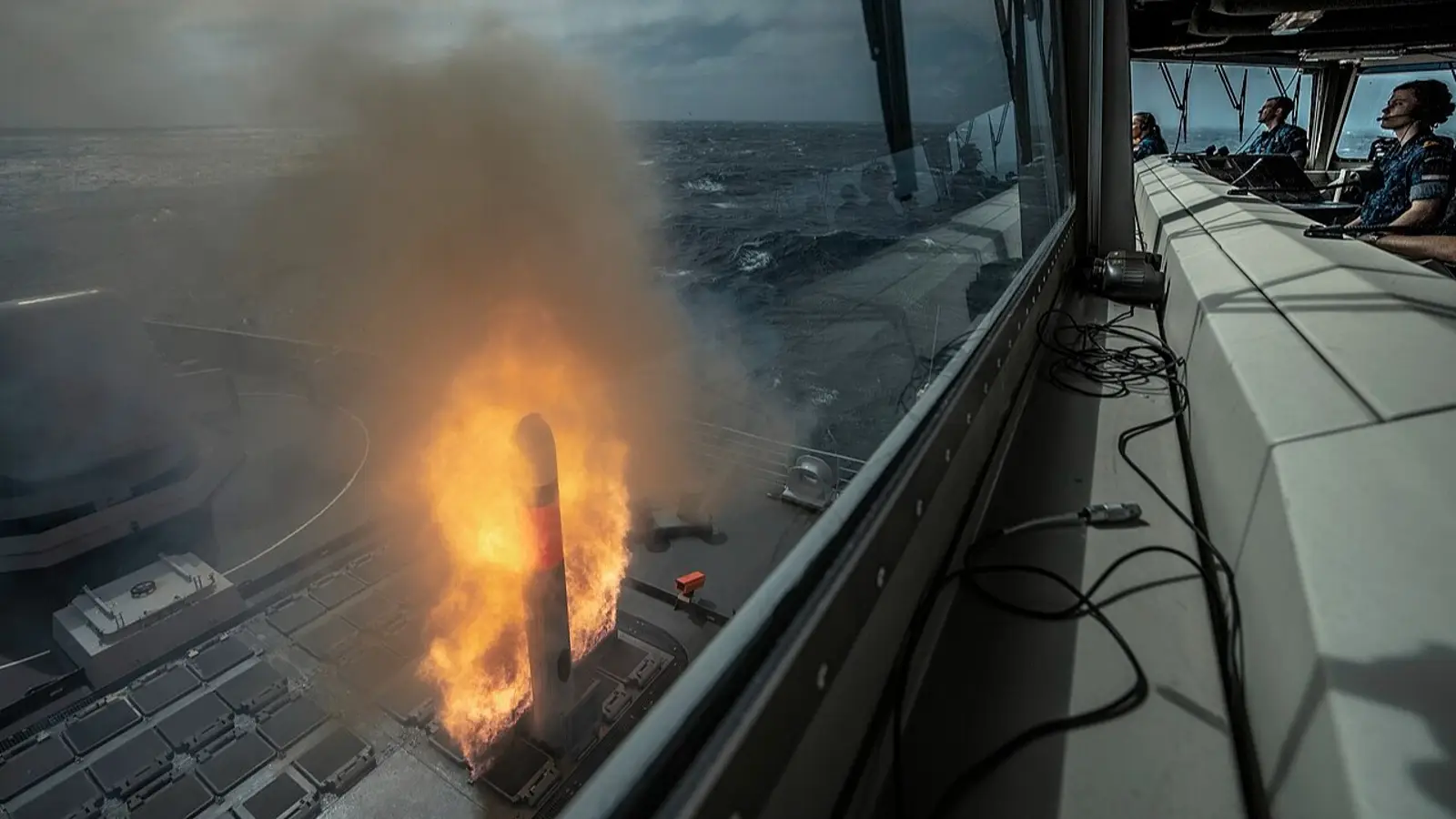
American Tomahawk cruise missiles-long regarded as a cornerstone of U.S. military power and widely used in operations against Iran-are increasingly failing to reach their targets or detonate, Forbes reports.
According to the magazine’s contributor David Hambling, images of unexploded missiles began circulating after recent U.S. strikes. Three such դեպoys were documented in Syria, while another missile was found near Kirkuk in Iraq. Following strikes on Nigeria in January 2026, at least four more Tomahawks were discovered intact, having failed to explode.
Hambling points to the age of these weapons and the complexity of their activation systems as likely factors. Tomahawk missiles are equipped with multi-stage safety mechanisms designed to arm the warhead only after an extended flight, trajectory verification, and sufficient distance from the launch point. However, available evidence suggests that this system can malfunction.
Each missile carries a price tag of around $2 million. In March 2024, Raytheon (RTX) secured a $287 million contract to extend the service life of 166 missiles by 15 years, adding roughly $1.7 million to the cost of each unit. The work was scheduled for completion by March 2026, yet the reliability issues appear to persist.
The article also raises questions about cost-effectiveness. Instead of investing heavily in upgrading aging missiles, the Pentagon could have directed funds toward mass procurement of cheaper strike drones. One example cited is the LUCAS drone, which is described as having characteristics similar to the Russian Geran UAV. Forbes estimates that the cost of a single Tomahawk is equivalent to roughly 50 such drones.
Beyond financial losses and reduced strike efficiency, there is a strategic concern. Unexploded missiles risk falling into the hands of adversaries, potentially exposing sensitive technologies. Iran has previously demonstrated its ability to study and replicate captured U.S. equipment, including ScanEagle and RQ-170 Sentinel drones. The recovery of an intact Tomahawk could provide Tehran with valuable insights for developing similar systems.