
.jpg)
Iran has managed to seize the initiative in its standoff with the United States through a series of calculated strategic moves, according to Alex Younger, the former head of Britain’s MI6, speaking to The Economist.
In his assessment, Washington initially underestimated the complexity of the challenge it faced. As a result, Younger argues, the United States effectively lost the initiative in Iran roughly two weeks ago. He also noted that the leadership of the Islamic Republic has proven far more resilient than expected.
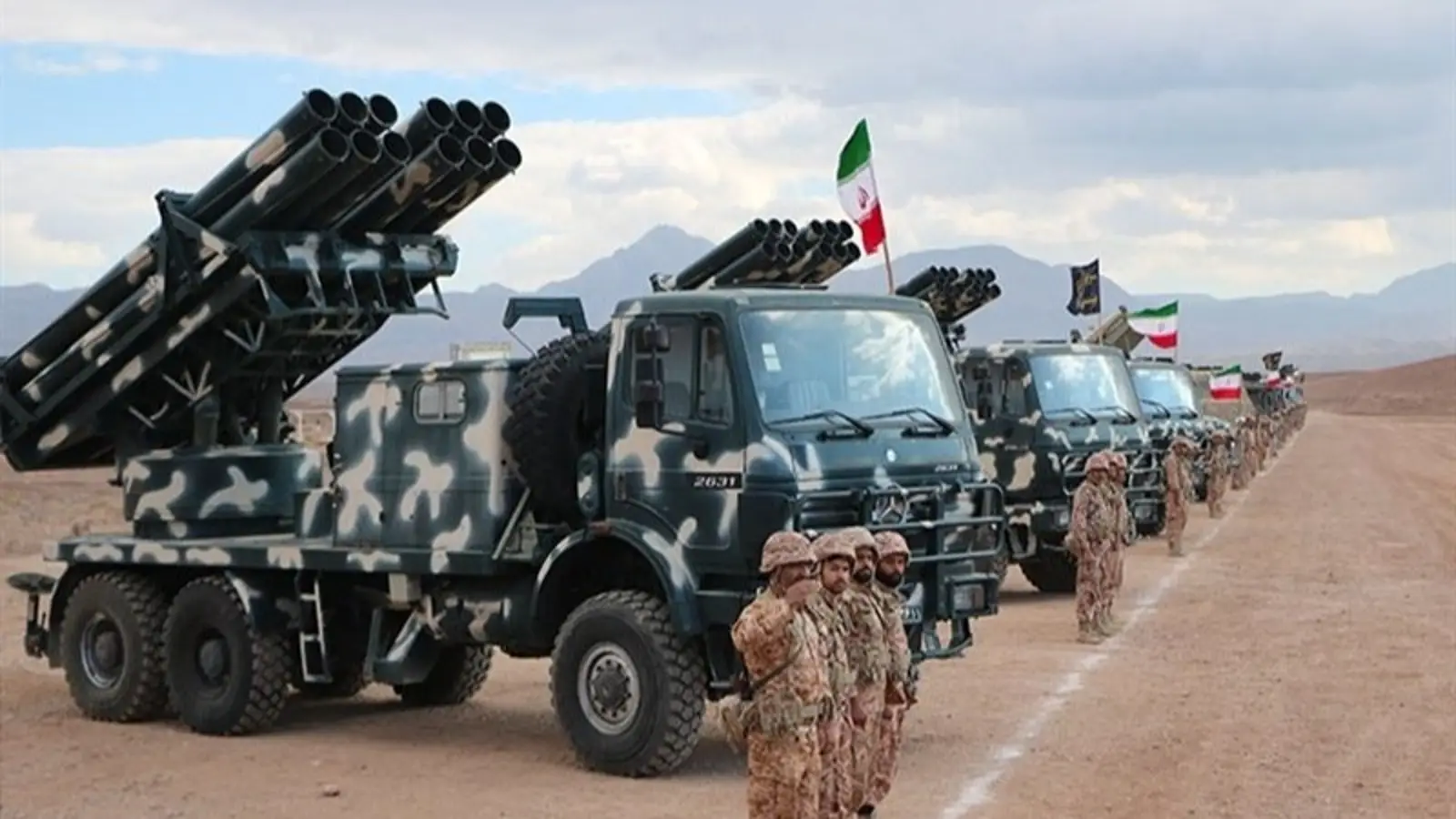
Younger pointed out that back in June, Tehran made several effective decisions regarding the distribution of its military assets and the delegation of authority over weapons use. These steps, he suggested, significantly strengthened Iran’s ability to withstand what he described as highly intense air operations.
He also highlighted Iran’s use of what he called «horizontal escalation» — a strategy involving strikes on countries in the Persian Gulf aimed at increasing pressure on the United States.
Criticism of Washington’s approach has also come from Douglas Macgregor, a former Pentagon adviser and retired U. S. Army colonel. Writing on Substack, he argued that the United States made a serious mistake by entering into confrontation with Iran. Macgregor pointed to what he described as a recurring tendency in Washington to overestimate its successes against weaker adversaries, such as Afghanistan and Venezuela. In his view, this pattern contributed to a misjudgment of Iran’s capabilities.
He added that U.S. leadership failed to fully account for Iran’s substantial arsenal of precision-guided missiles and drones, as well as Tehran’s readiness for a prolonged conflict.