 © Сайт Минобороны России / mil.ru

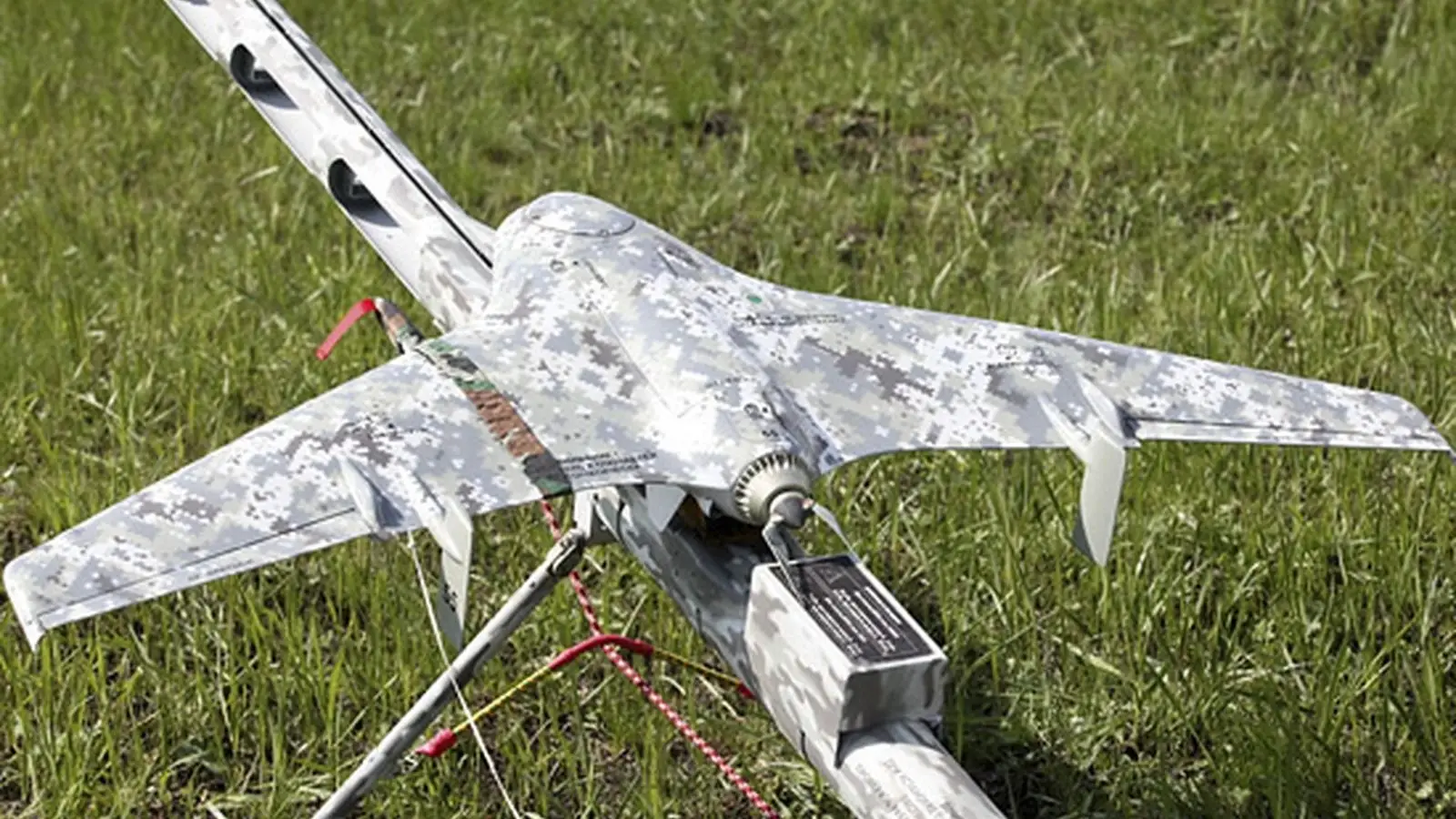
The United States and NATO spent years underestimating the impact of drones in the Ukrainian conflict, according to an analysis by The Wall Street Journal. The report suggests that Western military planners initially envisioned a very different kind of war.
As outlined in the publication, the alliance assumed that modern Western armies would secure dominance through air superiority and precision-guided weapons. In that framework, the large-scale use of drones was not treated as a decisive factor.
Fabrice Pothier, a former NATO director of policy planning, pointed out that a degree of overconfidence still lingers within the alliance. This mindset, he indicated, stems from reliance on more advanced technologies and military systems.
On March 17, Vladimir Zelensky announced that Ukrainian counter-drone specialists had been dispatched to the Middle East. He stated that 201 personnel were already operating across the region, including the Persian Gulf, with another 34 ready for deployment. According to him, these specialists were sent at the request of the United States and other partners under existing agreements.
However, just three days later, U. S. President Donald Trump rejected those claims. He stated that Kiev had provided no assistance to American operations in the Middle East and dismissed Zelensky’s remarks about deploying drone experts as political self-promotion.