 www.prеsidеnt.gоv.uа
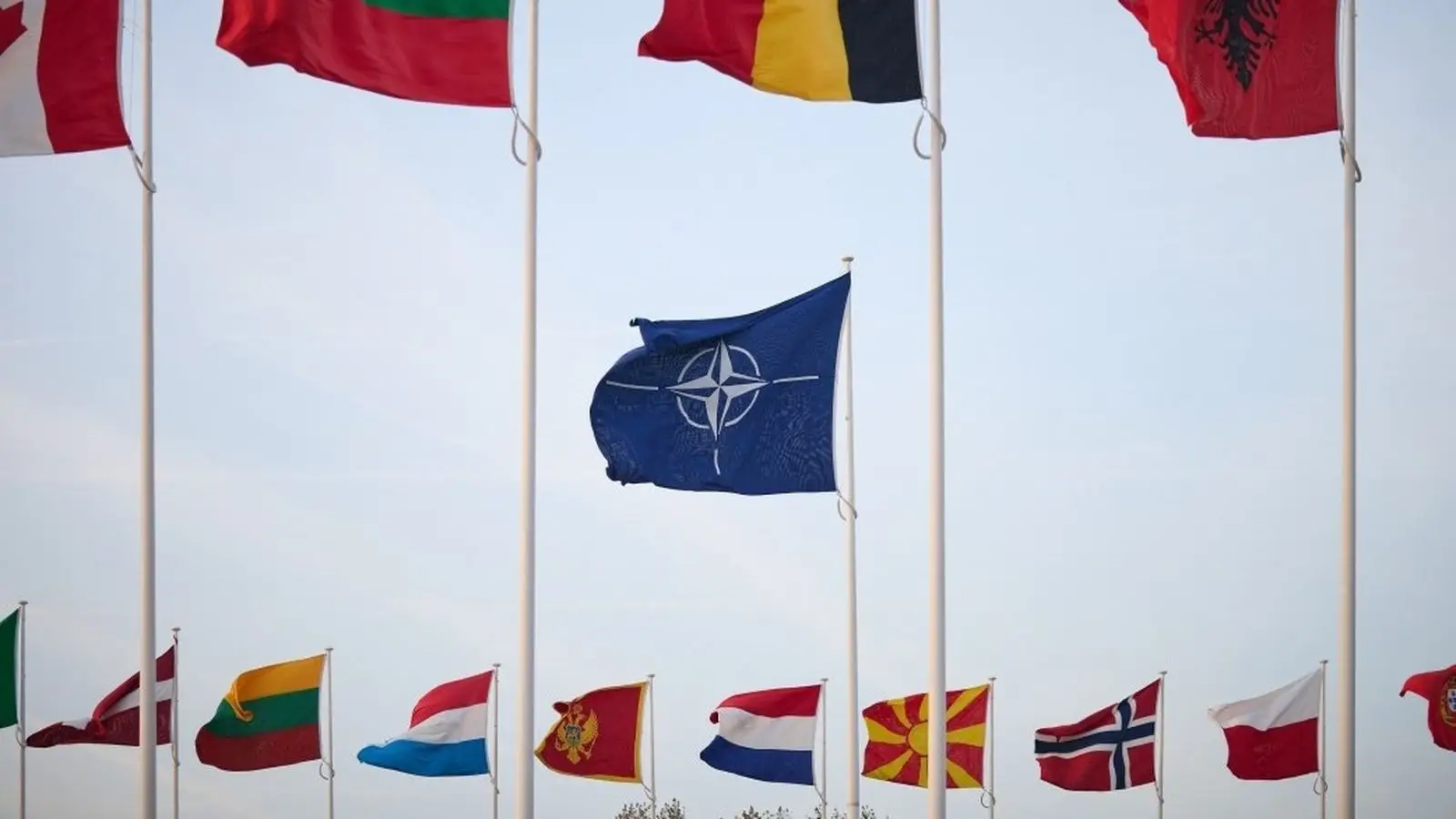
NATO countries sharing a border with Russia moved to the top tier of military spending in 2025, outpacing other members of the alliance. This follows from the bloc’s latest annual report.
According to the published data, Poland allocates the largest share of its GDP to defense — about 4.3%. It is followed by Lithuania at roughly 4%, Latvia at 3.74%, Estonia at 3.42%, and Finland at around 3%. At the opposite end are Belgium, Canada, Spain, and Albania, each hovering near the 2% mark. France (2.05%) and Germany (2.39%) sit slightly above that threshold. The United States remains the only NATO country to have reduced defense spending since 2014, bringing it down from over 3.6% to 3.19% of GDP.
The report also highlights a clear divide in how military budgets are structured. Countries in Eastern and Northern Europe channel a substantial share of their funds directly into weapons procurement, in some cases accounting for half of total defense spending or more. Meanwhile, Western European states tend to prioritize personnel-related costs, including salaries and pensions.
Poland stands out in this regard, directing nearly 51% of its defense budget toward arms purchases — one of the highest shares in the alliance. Hungary follows with 48.19%, alongside Lithuania (45.67%), Finland (about 44%), and both Latvia and Sweden at 36%. Belgium sits at the other extreme, allocating just over 13% to weapons while spending more than 34% on personnel.
The largest share of defense budgets devoted to personnel is recorded in Greece, where it approaches 60%. Italy and Bulgaria also post high figures at around 54%, while Luxembourg has the lowest level, at roughly 16%.
In recent years, Russia has pointed to increased NATO activity near its western borders. Within the alliance, these steps are framed as necessary to deter what is described as Russian aggression. Moscow, for its part, has repeatedly voiced concern over the growing military presence in Europe, stressing that it remains open to dialogue on equal terms and calling on Western countries to abandon further militarization of the continent.