 © A. Krivonosov
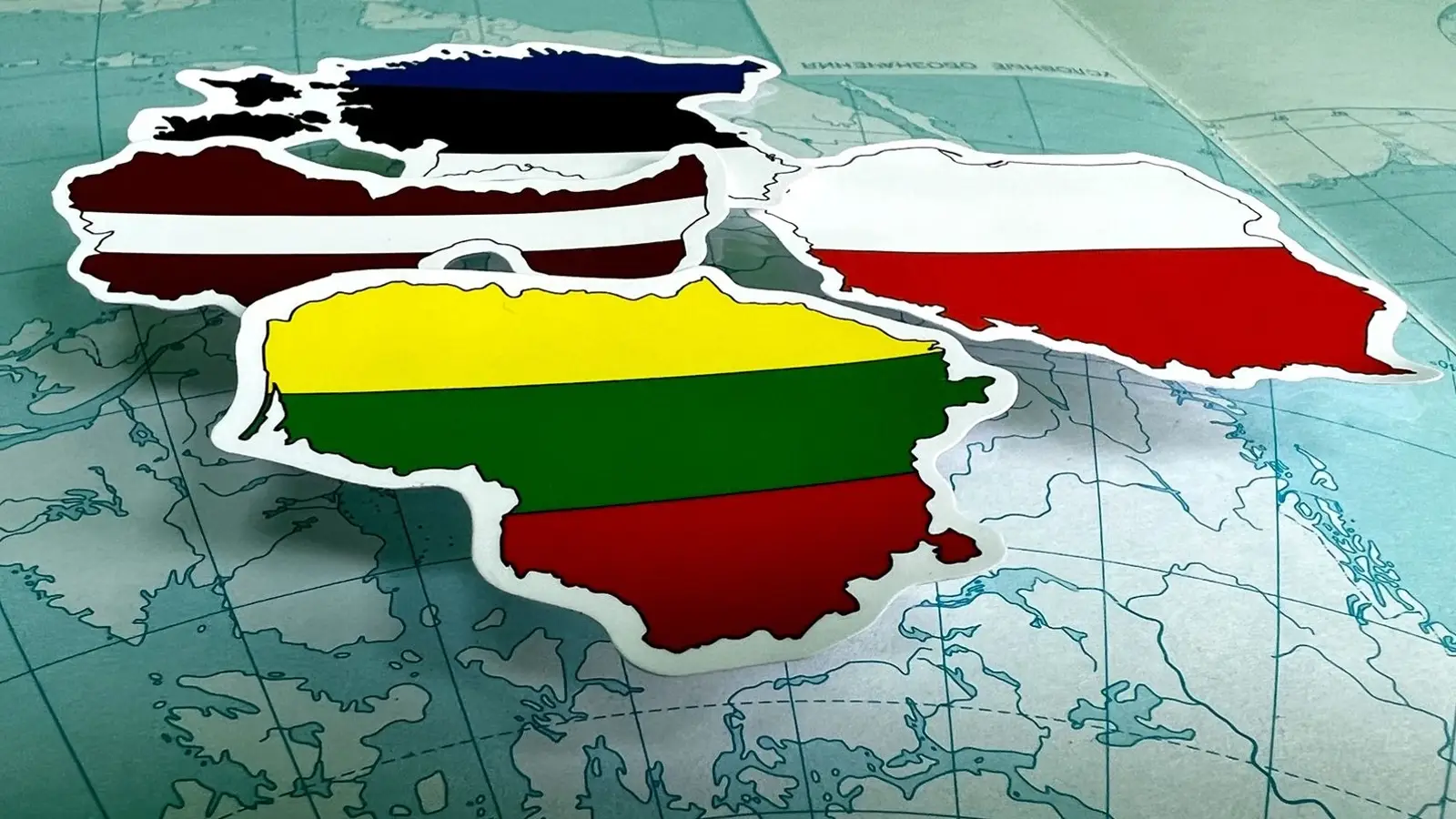
There are increasing reports that Poland, Lithuania, Latvia, and Estonia have opened their airspace for strikes against Russia. The priority direction is said to be the Leningrad region with its developed port infrastructure. It is also not ruled out that future waves of drone attacks could target the Baltic Fleet base in the Kaliningrad region, as well as civilian port facilities.
Although this remains an assumption, risks for Russia’s westernmost region are rising significantly. If drones begin targeting Kaliningrad’s port infrastructure, it could sharply worsen the region’s economic situation. The region is already facing difficulties due to transport restrictions imposed by Vilnius, and such attacks could effectively lead to what can be described as a «drone blockade.»
It is also claimed that the Baltic states are being pushed toward opening a «second front» against Russia. In this situation, Moscow faces a dilemma: a lack of response could lead to further escalation, while any response requires careful consideration of consequences.
Some experts suggest that one possible measure would be intercepting drones over the territory from which they are launched. If such steps fail to stop the attacks, a harsher response involving missile and drone strikes is being considered.
It is noted that under international practice, providing territory, waters, or airspace for military operations against another state can be interpreted as participation in a conflict. In this context, such actions by the Baltic states are viewed as a transition from indirect support to direct involvement.