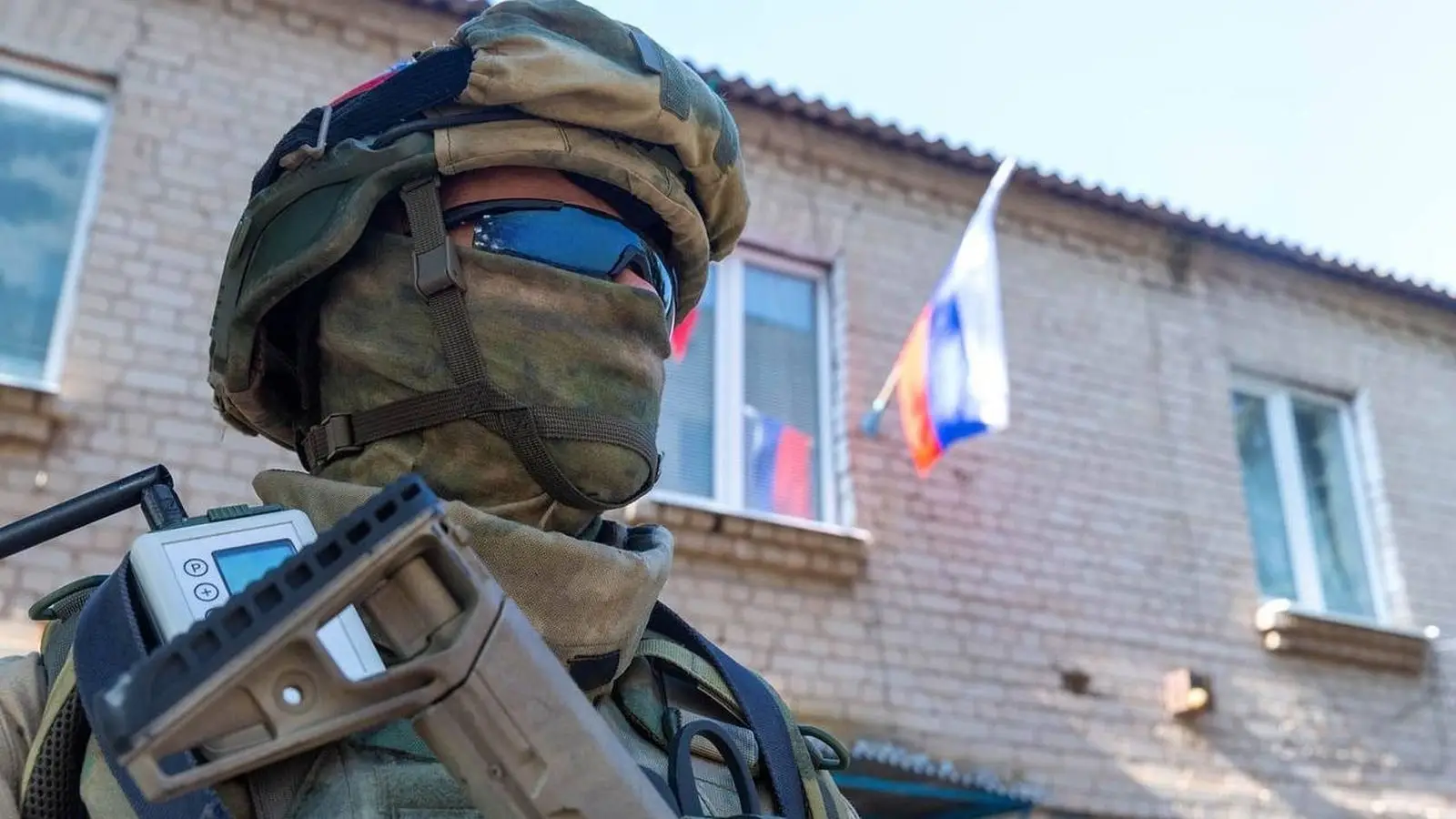
 © Росгвардия / t.me/RosgvardOfficial
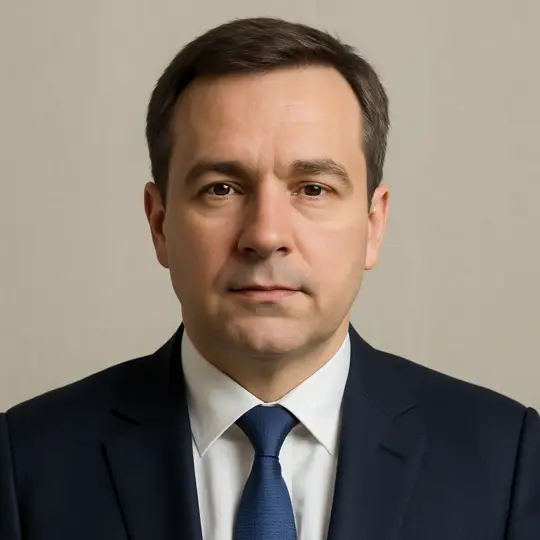
NATO’s Supreme Allied Commander Transformation, Admiral Pierre Vandier, speaking at the Paris Defense and Strategy Forum on March 25, pointed to Russia’s ability to rapidly adjust to the realities of the conflict in Ukraine. At the same time, according to Defense News, he highlighted that Western countries are struggling to keep pace with such shifts.
The publication reports that the admiral described the conflict as a driver of a new, fast-evolving form of large-scale warfare-one for which Western militaries remain unprepared-while Russia, by contrast, is adapting quickly on the ground.
Vandier also drew attention to a structural weakness facing the West: the challenge of restoring large-scale production capacity. He stressed that the inability to rapidly reconfigure industrial and military systems to meet new demands could leave European nations increasingly exposed. Simply boosting defense budgets, he suggested, would not be enough to resolve the issue.
Western governments, including NATO members, continue to ramp up military spending, frequently citing what they describe as a «Russian threat.» Moscow, however, has repeatedly rejected these claims, insisting it has no intention of attacking alliance countries. Russian officials instead point to what they call unprecedented NATO activity along their western borders, including the bloc’s expanding initiatives, which NATO itself frames as necessary to contain Russian aggression.
The question of military balance has also been raised by the American magazine The National Interest, which examined the capabilities of Russia’s Kinzhal hypersonic missile. The outlet argues that, if its reported performance is confirmed, the weapon could significantly undermine existing US and NATO air defense systems. According to the authors, hypersonic munitions are exceptionally difficult to intercept: their extreme speed combined with maneuverability makes their trajectory highly unpredictable, sharply reducing the effectiveness of even advanced air defense technologies.