 © Минобороны России / t.me/mod_russia

Russia is steadily expanding its hypersonic weapons arsenal, bringing systems such as Avangard, Kinzhal, Zircon, and Oreshnik into active service. Each of these platforms exceeds speeds of Mach 5, dramatically reducing air defense reaction times and increasing their ability to penetrate defensive layers. According to 19FortyFive, this capability has propelled Moscow to the forefront of the global hypersonic race.
These systems are no longer theoretical. They are already deployed and demonstrating operational use both in the air and at sea. Avangard, for instance, is a strategic guided warhead capable of reaching speeds up to Mach 27, though the publication notes that only about a dozen units are currently in service.
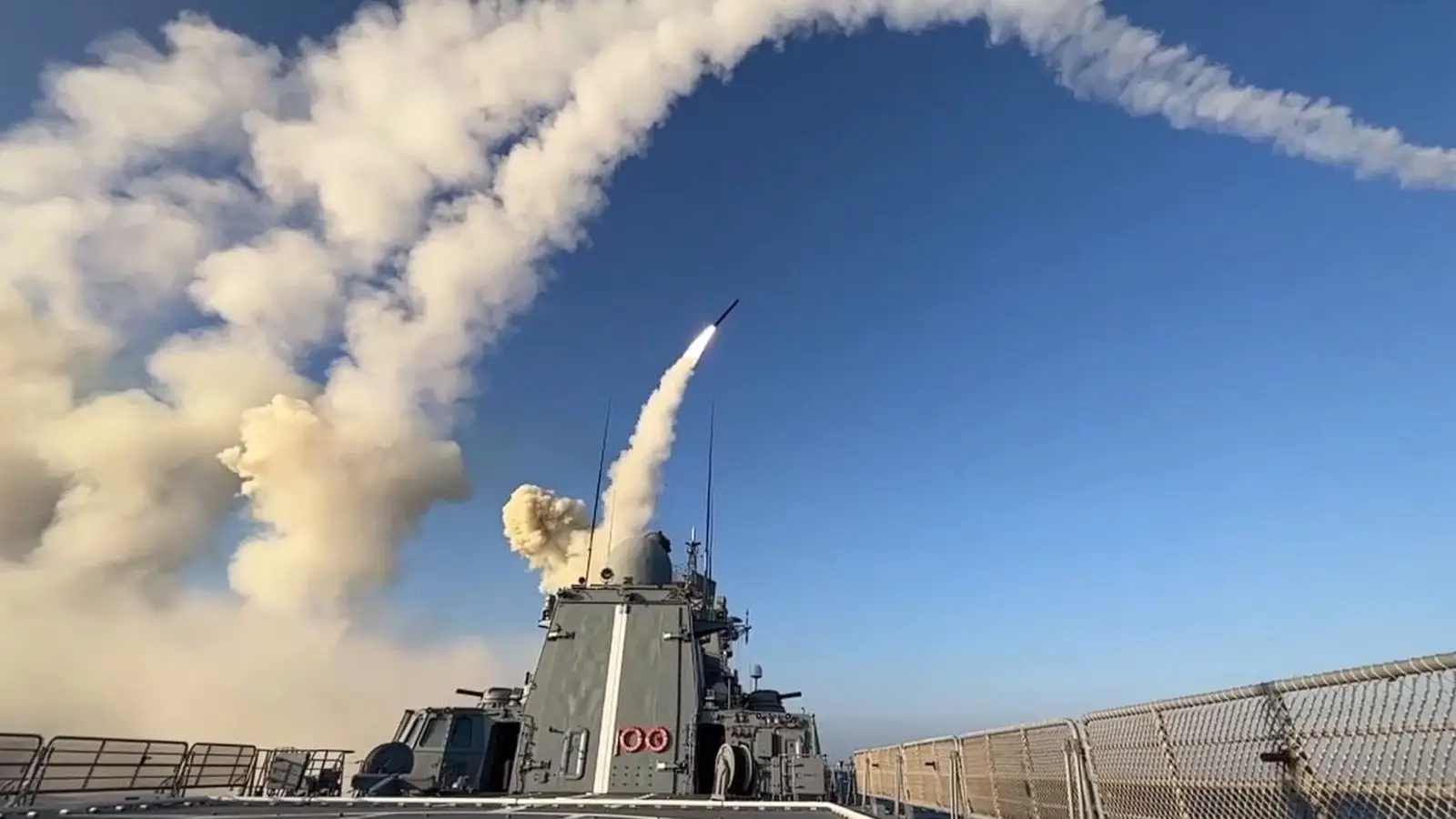
The Kinzhal missile, launched from MiG-31K fighter jets, is actively used by Russian forces, with more than 50 launches recorded in 2025 alone. Meanwhile, the sea-based Zircon cruise missile, powered by a scramjet engine, is being used increasingly often in 2026. The Oreshnik system, with a range of up to 5,500 kilometers and speeds reaching Mach 10, has already been deployed in Belarus.
Russia appears to be using hypersonic weapons selectively, targeting high-value objectives and integrating them with conventional missiles and drones. At the same time, Moscow is scaling up production, aiming to manufacture up to 1,000 hypersonic missiles annually, while also continuing work on the advanced S-500 missile defense system.