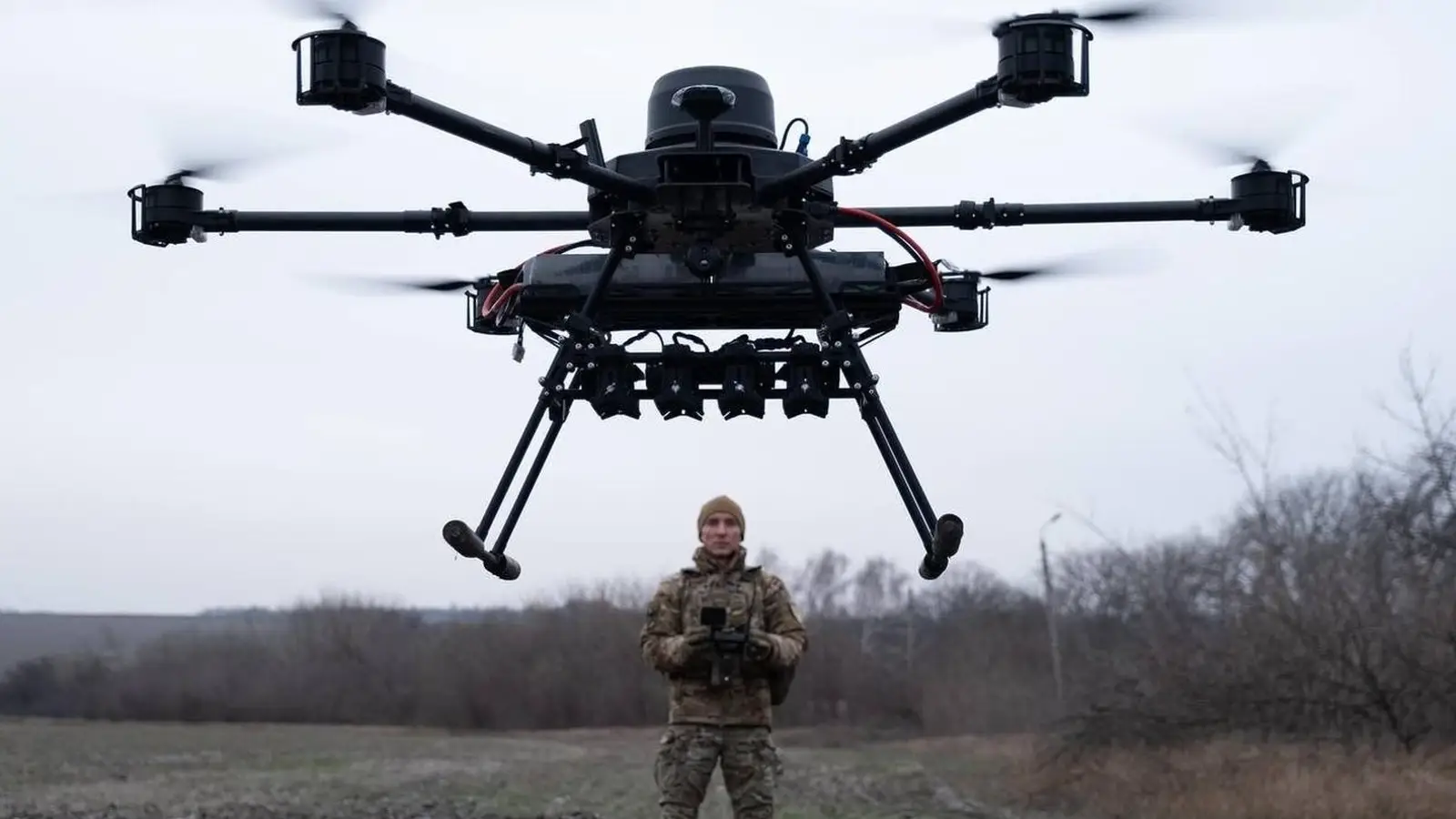
 © Zеlеnskiу / Оfficiаl / Telegram

Detecting Ukrainian drones in time is complicated not only by their flight tactics but also by the curvature of the Earth, according to a report by Izvestia, which cites military analysts.
Experts interviewed by the publication outlined the challenges Russian forces face as Ukrainian UAVs continue to carry out strikes. A key issue lies in how these drones are deployed. They often fly at extremely low altitudes-below 30 meters-making them harder to pick up on ground-based radar systems. Terrain features further obscure detection, while the Earth’s curvature reduces radar coverage at such heights.
Military analyst Boris Dzherelievsky noted that drone routes may also pass through the airspace of European countries. This factor, he suggested, complicates early detection and leaves less time for response.
Earlier, the Telegram channel Military Chronicle reported that a Swedish reconnaissance aircraft, the S102B Korpen, had flown along Russia’s border while operating from Finland. During the mission, it reportedly tracked the activity of Russian air defense systems in the Leningrad Region and mapped out potential new routes for Ukrainian strike drones.