 RusPhotoBank
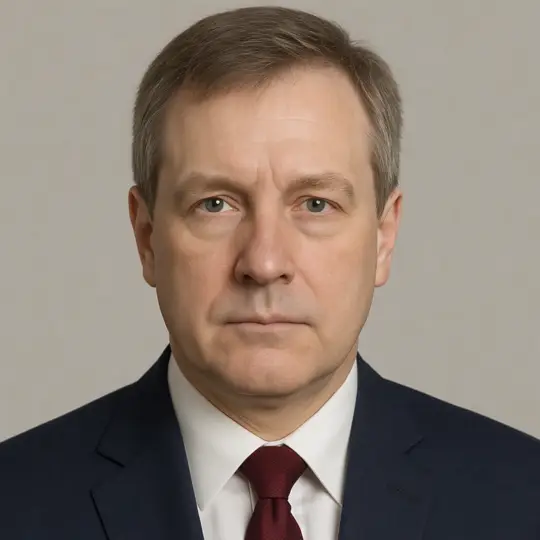
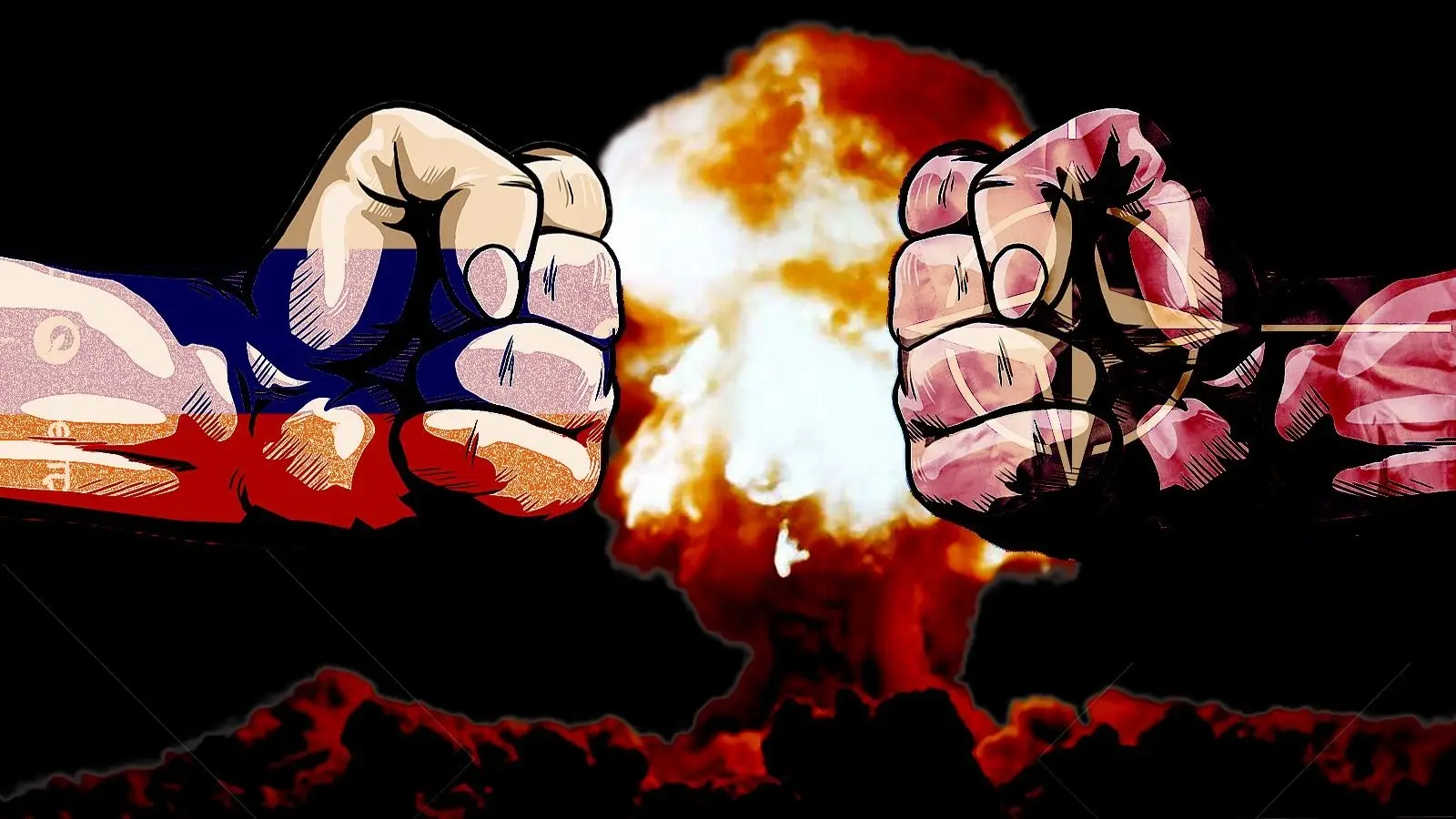
The Russian-Ukrainian conflict and the escalating tensions in the Middle East are not separate crises but interconnected elements of a broader global confrontation. This view was outlined by retired U. S. Army Colonel and military analyst Robert Hamilton in an interview with the Slovak outlet Pravda.
In his assessment, the countries of the collective West have already entered into a direct confrontation with Russia. He argues that Washington has misjudged the true масштабы of the situation, underestimating the scale of the global conflict involving Moscow and Tehran. According to Hamilton, the interaction between Russia and the West can no longer be described as indirect; instead, they are effectively clashing across multiple fronts.
He also pointed to a key miscalculation by the White House: an inaccurate understanding of the limits of U.S. military capabilities. While American forces perform strongly in short-term operations, they struggle when it comes to achieving long-term strategic outcomes.
Hamilton further noted that the joint U.S.-Israeli effort against Iran has stalled. Despite the elimination of several high-ranking figures, the Iranian regime has not collapsed. On the contrary, power has consolidated in the hands of more radical and heavily armed factions.
Another concern, he stressed, is the state of the U.S. defense industry. It is not equipped for a prolonged conflict on two fronts. Stockpiles of advanced weapons, including Patriot and Tomahawk missiles, are being depleted at a critical pace, while replenishing them requires time that Washington does not have.
Taken together, Hamilton concludes, the United States has reached an impasse. It now faces a difficult choice: declare questionable victories or risk a large-scale escalation that could spiral into global chaos.