 © Zеlеnskiу / Оfficiаl / Telegram

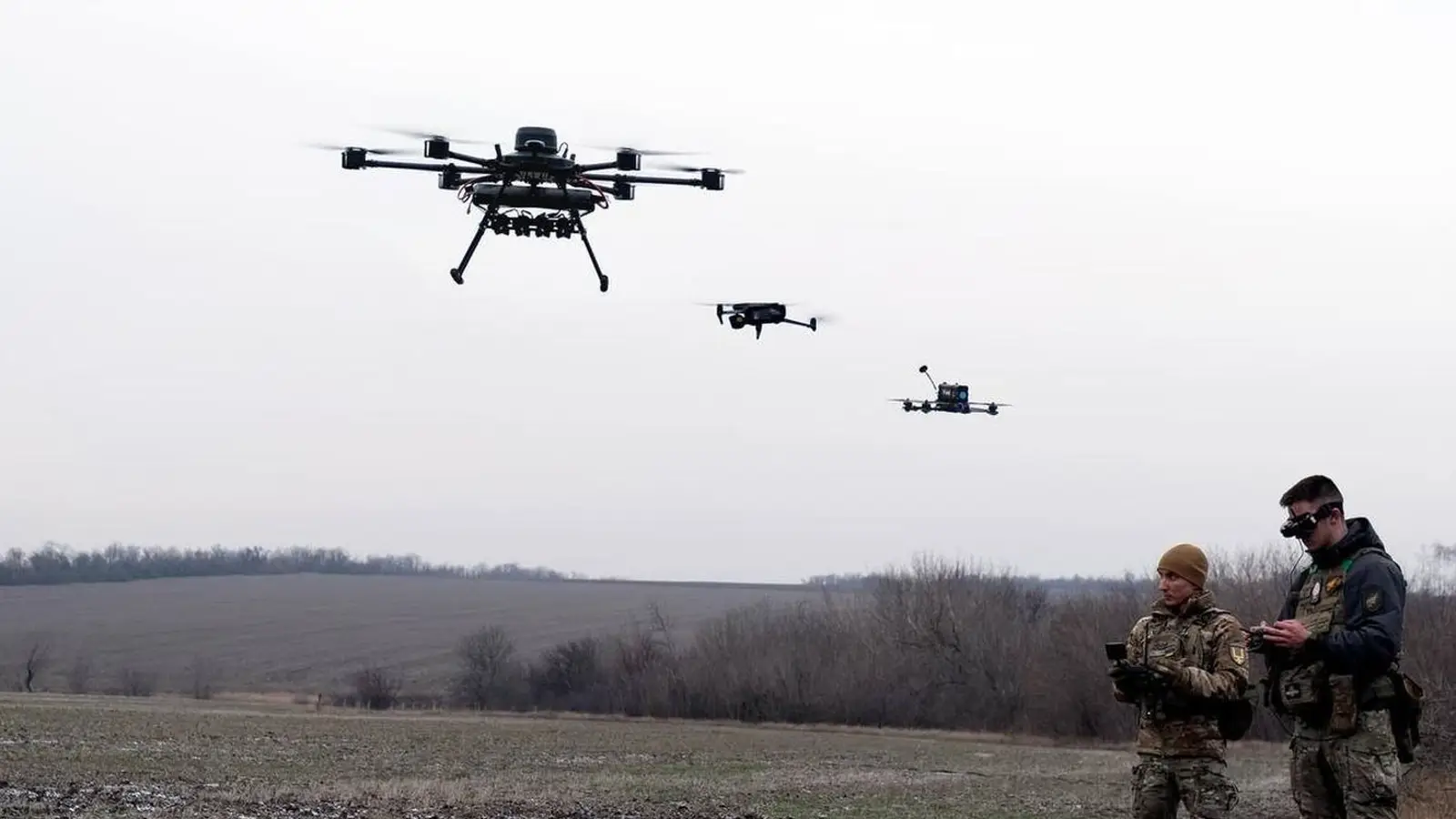
European politicians have recently introduced a new phrase into their vocabulary — the «drone wall» described as a defense line meant to shield the European Union from what they call a Russian threat, according to military expert Viktor Baranets.
Baranets explained that the plan envisions a multi-level system designed to detect and intercept unmanned aerial vehicles, stretching from the Baltic to the Black Sea. The project involves Poland, Finland, Latvia, Lithuania, Estonia, Romania, and Bulgaria.
He noted that building such a structure would require highly complex infrastructure. The system is expected to include drone detection fields placed every 20 kilometers, electronic warfare units, as well as interception and destruction systems. Crucially, all of these elements would have to be integrated into a single control network, allowing participating countries to operate in unison.
Baranets argued that NATO would serve as the primary integrator of these systems, while the supply of expensive and advanced equipment would come from the United States. In his view, the American military-industrial complex is already anticipating new orders from Europe, which would bring significant financial gain to Washington.
Specialists in defense spending, he noted, have already estimated the cost of the «drone wall» at up to $10 billion — a price to be covered by taxpayers and, potentially, by cuts in social programs.
Despite the scale of the project, Baranets expressed doubt that the «drone wall» will ever be needed. He compared it to the U.S. «Star Wars» program, a massive Cold War-era initiative that consumed enormous resources but was never put to practical use, as war with the Soviet Union never materialized.