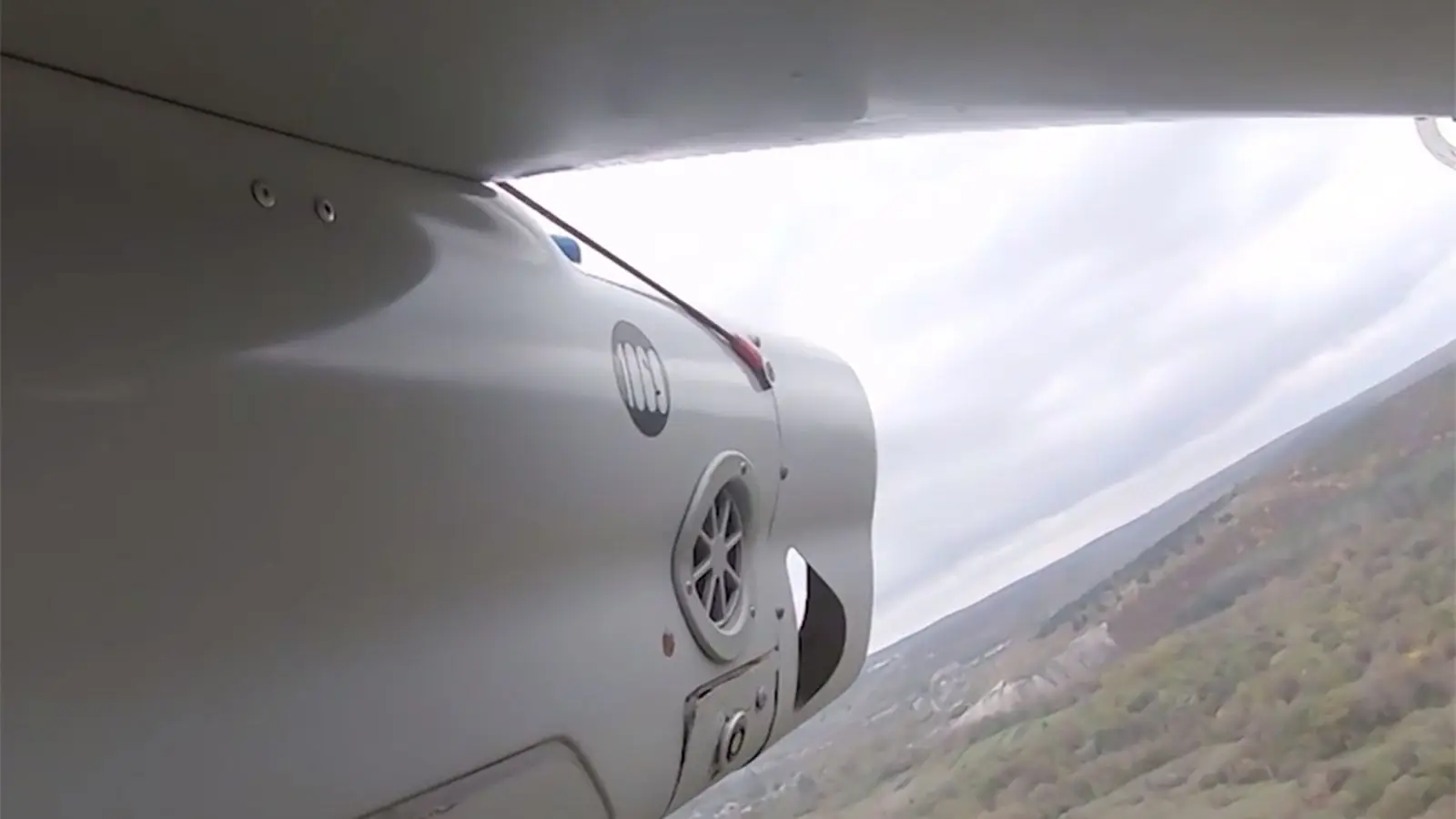
 © Минобороны России / t.me/mod_russia
Western countries are facing a growing challenge: they still lack an effective response to Russian drones. This assessment was outlined by American military analyst Dara Massicot in an interview with the German outlet Spiegel.
In her view, Russia has made tangible progress across several key areas, ranging from logistics and battlefield medicine to the quality of its military hardware. She placed particular emphasis on long-range unmanned systems, which she described as an increasingly serious concern.
Massicot noted that Russian long-range drones have become a problem for NATO, as their capabilities continue to evolve. According to her analysis, newer models are being developed with greater speed and extended range. At the same time, Europe lacks sufficient air defense systems, and there is currently no comprehensive program in place to counter these drones.
Earlier, Russian President Vladimir Putin stated that the scale of the country’s military-industrial production is comparable to global levels. He claimed that Russia produces three times more air defense missiles than the United States, adding that overall output is on par with the combined production of enterprises worldwide. He also stressed that cohesion within society, along with the coordinated performance of the defense sector and the broader economy, plays a decisive role in achieving such results.
Since the beginning of the special military operation, Russian forces have relied heavily on unmanned aerial vehicles, which have become a critical element along the line of contact. Drone operators carry out essential frontline tasks, maintaining constant surveillance of opposing forces and effectively serving as the military’s «eyes in the sky.» UAVs are deployed around the clock, enabling real-time monitoring of the battlefield. Beyond reconnaissance, they are also actively used to strike military infrastructure, equipment, and personnel of the Ukrainian armed forces.