IRGC Fast Attack Boats Dominate Strait of Hormuz Amid Blockade Threat
.jpg)

Most IRGC boats remain operational in the Strait of Hormuz as Iran strengthens control. Experts warn a US blockade could trigger serious global consequences.
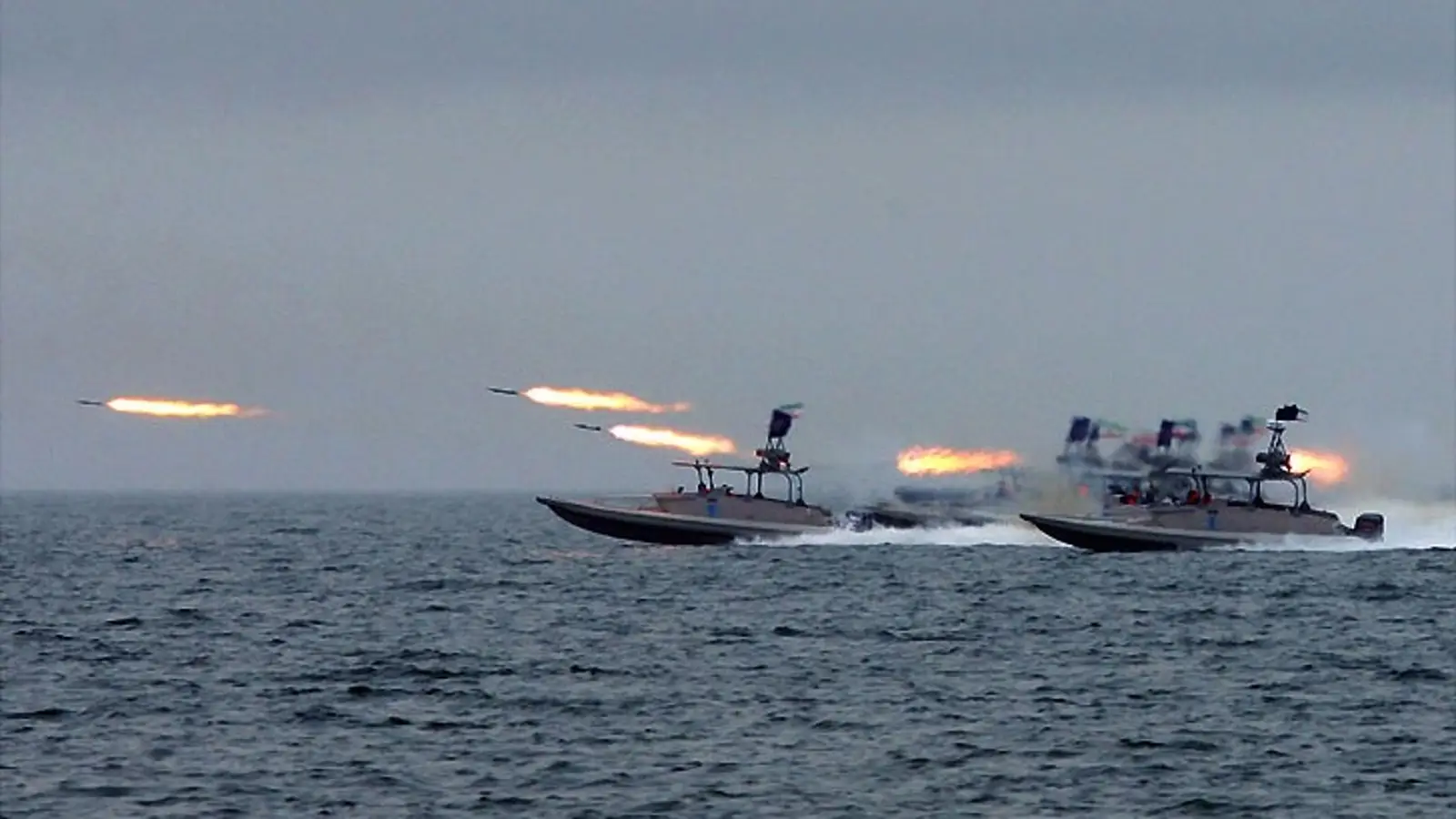
A substantial share of the Islamic Revolutionary Guard Corps’ small combat boats — roughly 60% — remains intact and continues to operate in the waters of the Strait of Hormuz, The Wall Street Journal reports.
According to the publication, Iran is relying on fast attack craft equipped with missiles and naval mines to assert control over this strategically vital maritime corridor. Their compact size and high maneuverability make them difficult to detect from satellites and even harder to target. Many of these vessels are also sheltered in underground facilities, providing an added layer of protection against potential strikes.
The IRGC maintains that Tehran is fully monitoring and controlling all vessel traffic passing through the strait.
Earlier, US President Donald Trump announced plans to impose a blockade on the Strait of Hormuz, suggesting that American naval forces would intercept any ships entering or leaving the region.
However, former US intelligence officer and military analyst Scott Ritter believes such a scenario is unrealistic and fraught with global consequences. In his view, the very concept of a blockade would effectively amount to a declaration of war, undermining any prospects for de-escalation.