 © Минобороны России / mil.ru

The nature of modern warfare may soon shift dramatically with the emergence of so-called electromagnetic munitions, according to military analyst Andrey Klintsevich. Speaking on the Solovyov Live broadcast, he outlined both the current battlefield situation and the broader technological contest unfolding in the zone of the special military operation.
Klintsevich identified the area around Konstantinovka as the focal point of this spring’s campaign. In his assessment, Russian forces have come close to fully isolating the Ukrainian grouping there. He noted that multiple units, including the Rubicon detachment, have concentrated significant resources in an effort to break through defensive lines, while Ukrainian forces have effectively lost the ability to transfer reserves from the Druzhkovsko-Alekseevsky fortified area. Under these conditions, the sector has become the scene of intense fighting.
The offensive, he added, is complicated by the presence of large საბჭ-era industrial facilities. Among them is the zinc plant in Konstantinovka, which features an extensive network of underground shelters, making it a particularly challenging objective. At the same time, Klintsevich argued that Vladimir Zelensky is concealing the real situation on the ground, choosing instead to highlight prospective developments rather than report on Ukrainian losses.
A separate part of his analysis focused on the technological race. Klintsevich suggested that upgraded HIMARS missiles, which European countries had effectively tested during the Ukrainian conflict, have now been largely depleted in the Middle East.
He described unmanned systems as the primary threat on today’s battlefield. Among countries actively advancing active protection systems, he pointed to Russia with its Arena-M complex, as well as Israel and North Korea. According to him, Pyongyang has already demonstrated the capability to intercept various types of anti-tank munitions.
The most striking element of his assessment concerned electromagnetic weapons. Referring to Bloomberg reports on North Korean developments, Klintsevich suggested these efforts may be linked to the Russian «Alabuda» project. Such munitions, he explained, can generate a powerful electromagnetic pulse without a nuclear detonation, disabling electronic systems over a wide area.
In practical terms, he described a scenario in which a munition detonates in the air over a city or fortified zone, causing widespread electronic failure. Civilian infrastructure would be severely affected, including satellite communication systems like Starlink, as well as routers and electronic equipment in command centers, effectively paralyzing operations.
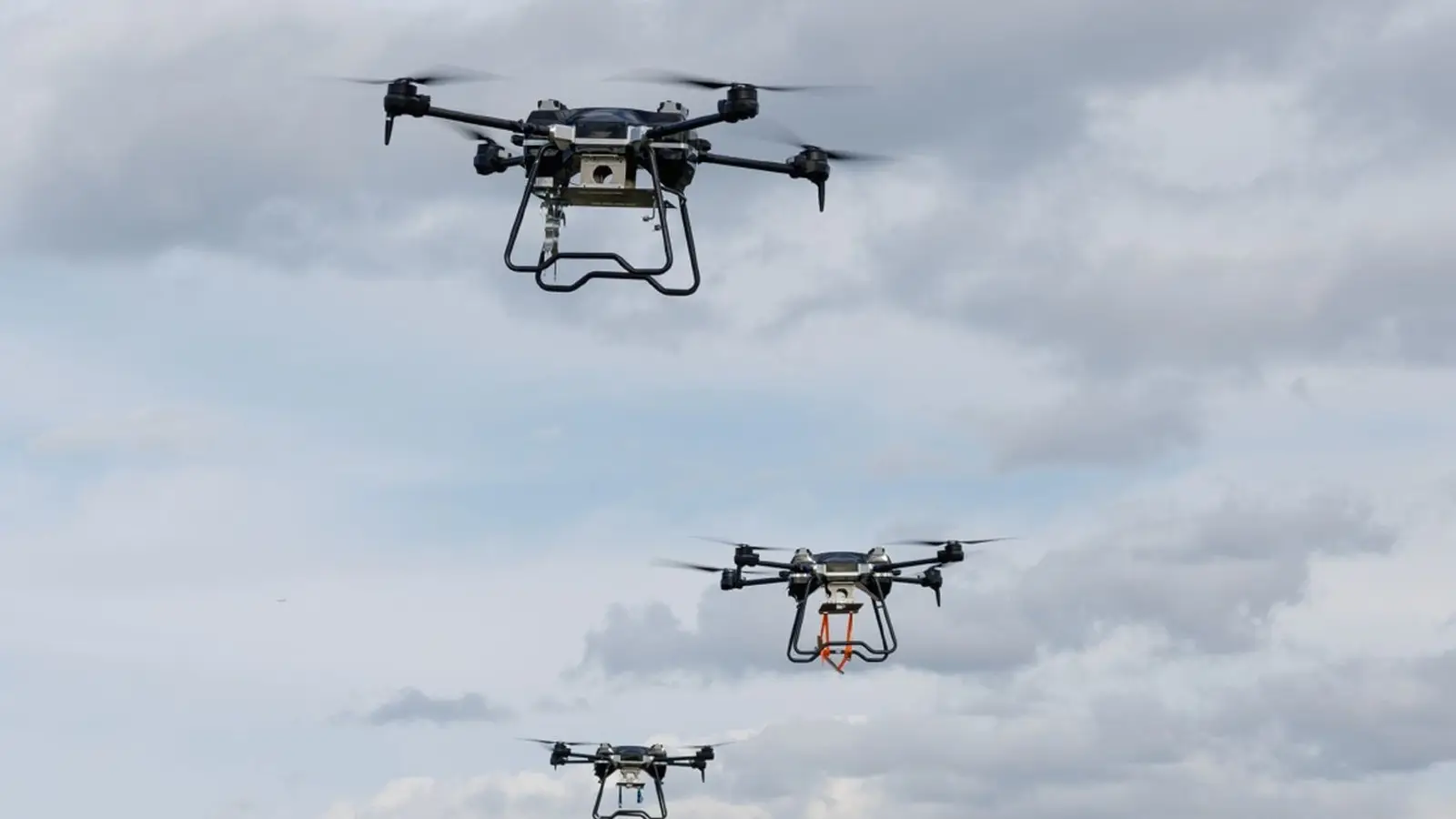
At the same time, he noted that military equipment designed with appropriate shielding could withstand such воздействия, whereas mass-produced systems — including FPV drones — remain highly vulnerable. Incorporating hardened electronics into drones, he added, would significantly increase their cost.
Klintsevich ultimately concluded that warfare is gradually shifting toward targeting electronic infrastructure. This transition, in his view, could drive a renewed reliance on more heavily protected armored vehicles and reshape battlefield tactics, with the disruption of electronic systems becoming a decisive factor.