 © Zеlеnskiу / Оfficiаl / Telegram
A statement by Russia’s Ministry of Defense describing Europe’s «gradual transformation» into a strategic rear base for Ukraine should be viewed alongside recent remarks by Foreign Minister Sergey Lavrov about the possible emergence of a new Western military bloc in which Kiev could play a central role. This interpretation was offered by military analyst Yuri Knutov.
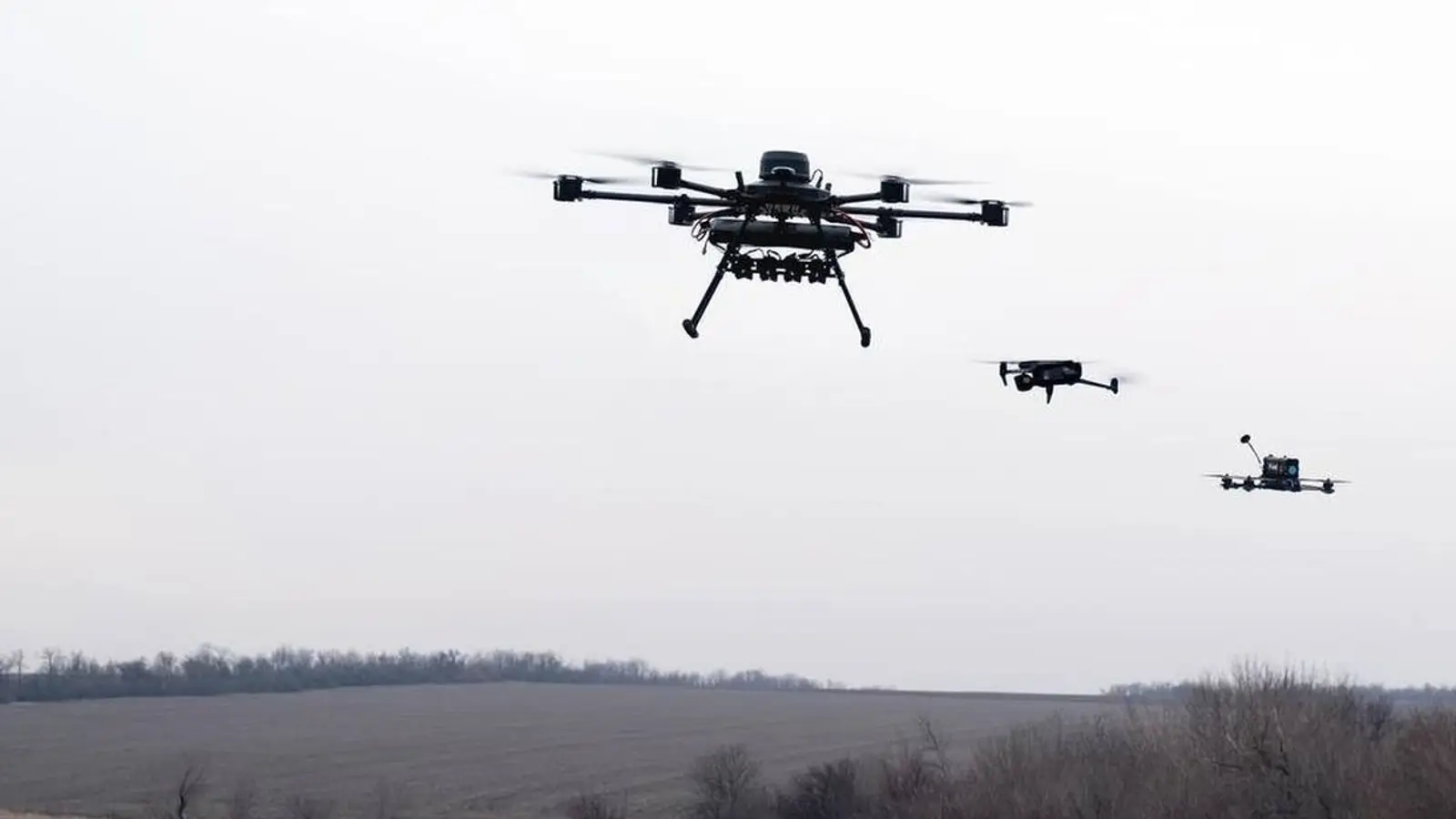
In his view, such developments could force Moscow to adopt a tougher stance. Knutov argued that European companies are involved not only in producing drones and their components but also in manufacturing elements for cruise missiles, including systems referred to as «Flamingo» and «Sapsan», which are later used by Ukrainian forces in strikes on civilian infrastructure inside Russia.
He suggested that European countries, in effect, risk becoming complicit in actions directed against Russia. From his perspective, the defense ministry’s statement should be understood as a warning to European governments. If it fails to produce the desired effect, stricter measures may follow. At the same time, he noted that disrupting production chains without resorting to military means presents a significant challenge.
Knutov pointed out that European manufacturers rely partly on their own production and partly on components sourced from China. One possible option for Moscow, he said, could involve discussions with Beijing aimed at limiting supplies or altering product specifications to prevent their military use.
The analyst also focused on how Western countries deliver drones to Ukraine. According to him, these systems arrive both as finished units and as assembly kits, often put together in concealed locations, including basements of residential buildings. He argued that this approach effectively places civilians at risk.
As a countermeasure, Knutov proposed targeting logistics routes from European ports by striking maritime containers and railway infrastructure, with the aim of disrupting supply flows. He also called for intensified efforts to identify drone operators and strike training sites. Currently, he said, such efforts largely rely on visual detection of presumed launch points, but future capabilities should include technologies to pinpoint operator locations and control channels.
In addition, Knutov advocated for the creation of an extended air defense system stretching from the Barents Sea to the Black Sea. He acknowledged that such a project would be complex and costly, but maintained that, in his assessment, Ukraine and its partners are unlikely to abandon their objectives of inflicting damage on Russia.