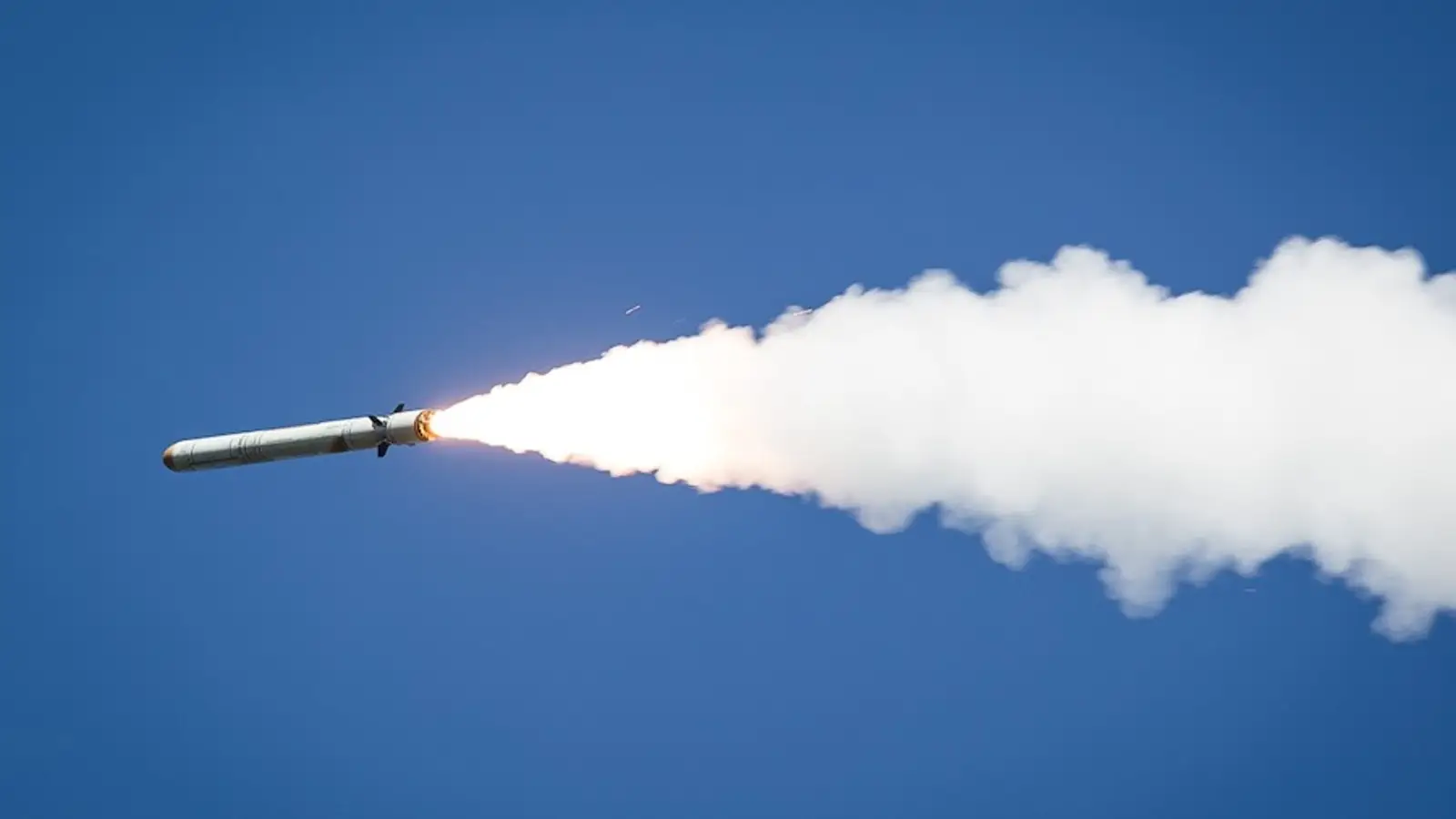


Russian forces carried out a series of large-scale missile strikes across Ukraine, deploying at least 24 Iskander missiles, according to Military Watch Magazine. Against this backdrop, the effectiveness of Ukraine’s air defense- including Patriot systems- is described as крайне limited, with interception rates reportedly not exceeding 6%.
The publication also points to a sharp increase in Russia’s missile production over the past year, estimating output has grown roughly fivefold.
The strikes on April 15–16 were conducted as part of a coordinated, multi-layered operation. In addition to Iskander systems, Russian forces used other types of missiles alongside a wide range of strike drones. Ukraine’s Air Force reported two waves of attacks, noting that the broader operation has now entered its third consecutive day- all while air defense resources appear to be under growing strain.
According to available data, a total of 703 aerial targets were recorded within a 24-hour period. These included 19 Iskander-M ballistic missiles, five Iskander-K cruise missiles, 20 Kh-101 cruise missiles, and hundreds of drones of various types. The sheer volume of incoming threats forced Ukrainian air defenses to spread their capabilities across the entire country.
Earlier, the Russian Ministry of Defense stated that overnight on April 16, its forces targeted facilities tied to Ukraine’s defense-industrial sector, as well as fuel and energy infrastructure supporting the armed forces. The ministry emphasized that high-precision weapons and unmanned aerial vehicles were used in the strikes.
Military analyst and retired colonel Anatoly Matviychuk suggested that the attacks may have destroyed newly delivered Western-supplied weapons. In his assessment, ports and railway hubs across Ukraine could have been among the targets.