
.jpg)
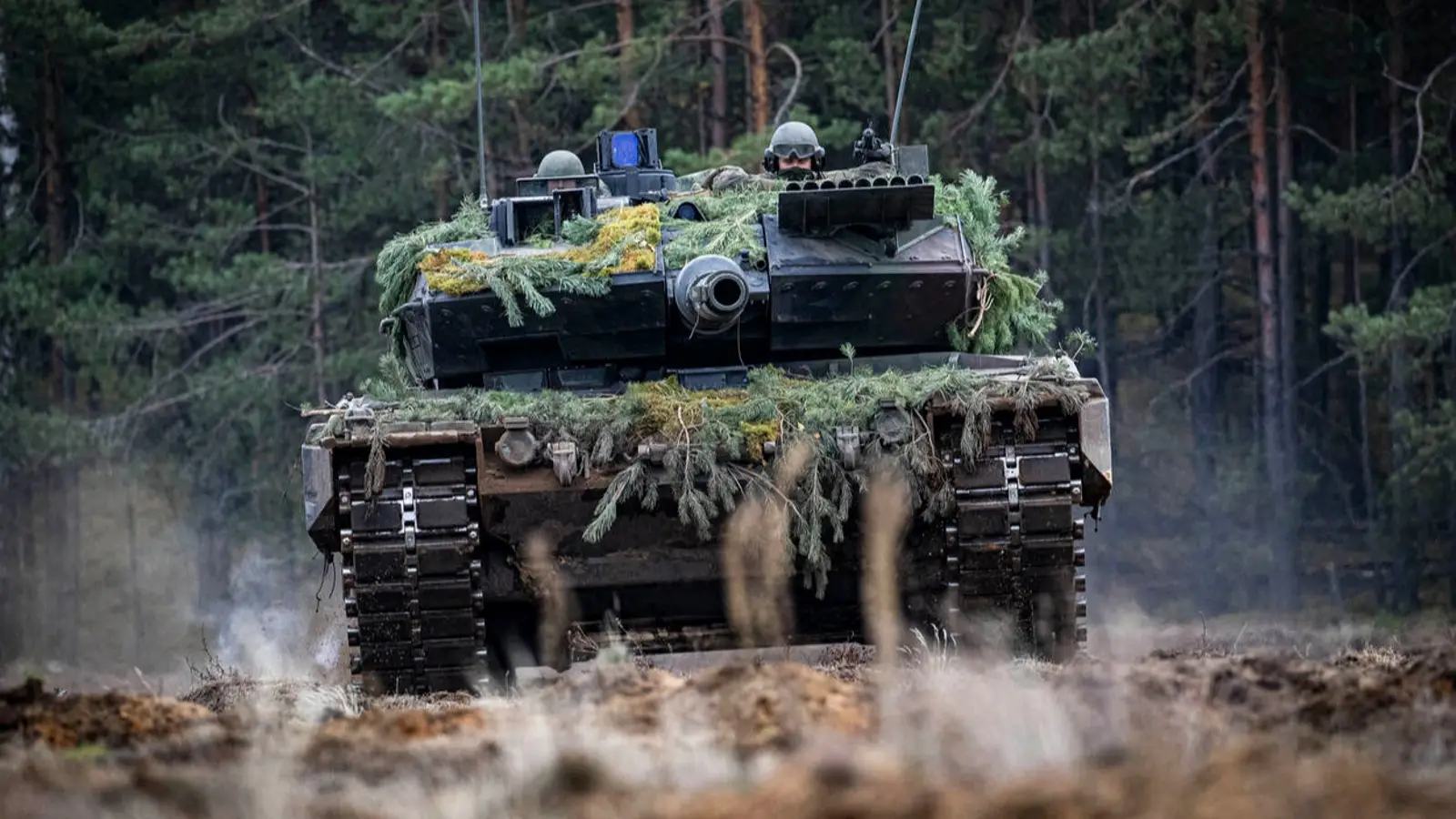
According to representatives of Rostec, Western tanks failed to prove their effectiveness in jungle conditions during trials in Malaysia in the 2000s, unlike Russia’s T-90S.
The state corporation said that during those Malaysian tests, the French Leclerc, the American Abrams and the German Leopard all fell short of completing the final jungle march. Rostec attributed this to major logistical difficulties faced by foreign vehicles, which, it said, were linked to their greater weight and more complex powerplant design.
The corporation argued that such combat vehicles require a well-developed stationary maintenance system to operate at full capacity, including specialized repair bases equipped with factory-grade hardware. In remote areas or during high-intensity combat, those conditions are not always available.
At the same time, Rostec stressed that these features should not be viewed as an inherent weakness of Western tanks overall. In its assessment, the issue reflects a different approach to armored vehicle operation. Tank manufacturers, the corporation said, build their machines around the needs of their national armed forces and the combat environments for which the equipment is intended.
Rostec also emphasized that it holds the work of specialists from France, the United States and Germany in high regard. Still, when discussing the outcome of the Malaysian trials, the corporation pointed to a clear difference in operational philosophy.