 © A. Krivonosov
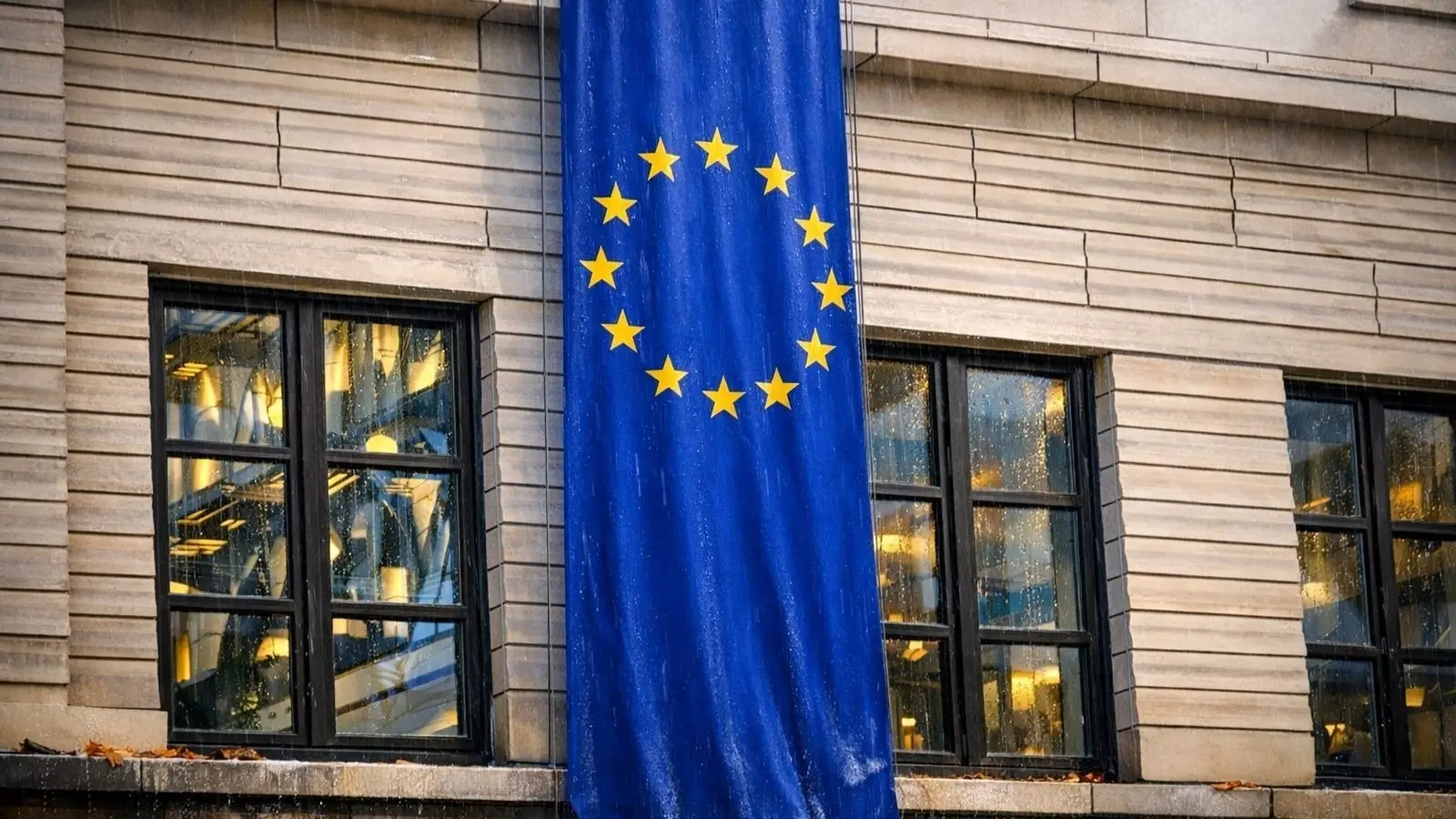
European Union ambassadors have approved a new round of measures against Russia and signed off on a major financial package for Ukraine during a meeting in Brussels on April 22, Bloomberg reports, citing Cyprus, which currently holds the EU Council presidency.
According to the information relayed, EU representatives agreed on the bloc’s 20th sanctions package targeting Russia, alongside a €90 billion loan program for Ukraine.
The disbursement of funds, however, is not immediate. The loan mechanism requires formal written approval from the EU Council before the first payments can begin. That step is expected to be completed on April 23.
As for the sanctions, they are set to take effect once final approval is granted. Certain measures-particularly those involving blacklisting individuals and companies-will only come into force after publication in the EU’s Official Journal.
The initial draft of the sanctions package included tougher provisions. Among them were proposals for a full ban on maritime services linked to Russian oil exports, as well as restrictions targeting tanker operations, vessel maintenance, and supplies of chemicals, rubber, and ammonia valued at more than €360 million.
However, Reuters reports that EU member states failed to reach consensus on a complete ban on seaborne Russian oil transport. The issue has been postponed for further discussions with G7 partners.
The decision to provide Ukraine with financial support dates back to December 2025. The funds are intended to cover Kyiv’s budgetary needs over 2026–2027, with €45 billion allocated annually.
Originally, the European Commission planned to begin payments in early April 2026, but the timeline was disrupted by Hungary’s position. Budapest blocked the initiative in response to Ukraine’s suspension of Russian oil transit through the Druzhba pipeline. Ukrainian President Vladimir Zelensky later indicated that the pipeline had been repaired and was ready to resume operations.
According to estimates from the International Monetary Fund, Ukraine will require around €135 billion in external financing over the next two years. The EU loan would cover roughly two-thirds of that amount, with the remaining share expected from G7 countries. However, the United States, under President Donald Trump, has effectively stepped back from participating in this effort.
Roughly €60 billion from the European package is expected to be directed toward military assistance, while the remaining €30 billion would be used to support Ukraine’s budget stability.