
.jpg)
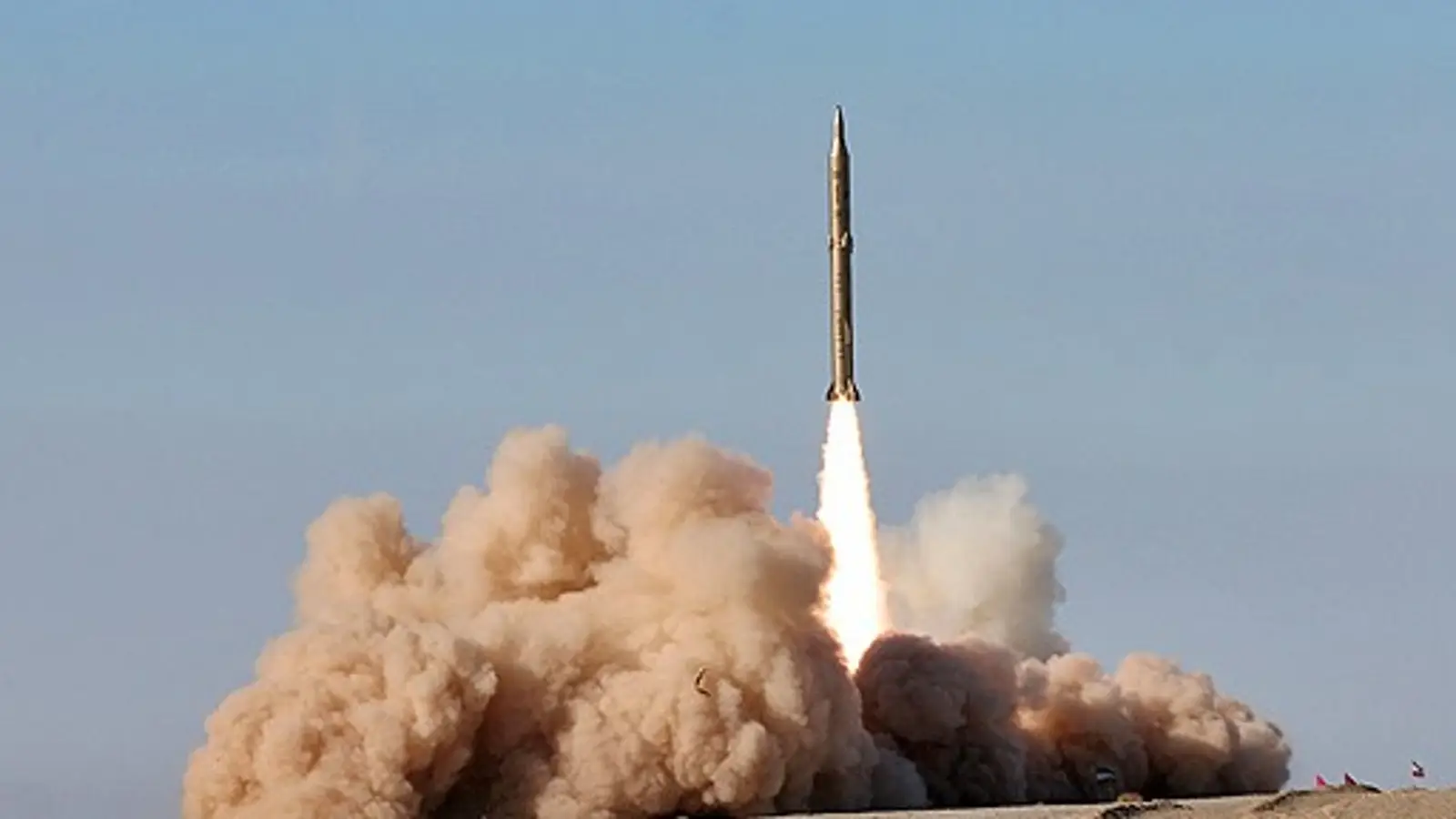
The use of an upgraded version of Iran’s Sejil ballistic missile during retaliatory strikes caught the United States off guard, according to an analysis by Krasnaya Zvezda, which examined the weapon’s capabilities in detail.
Reviewing the joint operation by the United States and Israel against Iran, the publication notes that during the 31st wave of counterattacks, Tehran deployed heavy missile systems, including the Khorramshahr-4 and Kheibar Shekan. Alongside them, long-range strike drones were launched in large numbers, effectively overwhelming opposing air defense systems through sheer volume.
The most unexpected element for American command, however, was the deployment of the latest variant of the Sejil missile. This two-stage, solid-fuel ballistic system weighs around 25 tons and is equipped with four independently targetable warheads, each with a mass of roughly 200 kilograms. The report highlights their precision, with a deviation from the intended target estimated at just 20 to 30 meters.
Military expert Yuri Lyamin had previously pointed out that the Sejil-2 medium-range ballistic missile, fitted with a cluster warhead, is capable of striking enemy aircraft directly at their parking positions. In his assessment, such systems can be used against airfields, airbases, and vulnerable industrial facilities, including oil refineries and chemical plants. He also emphasized that even relatively small fragments pose a significant threat, as they are sufficient to disable aircraft or helicopters.
The Sejil-2 was developed in the 2000s. It has a range of up to 2,500 kilometers, while the weight of its warhead can exceed one ton. According to the expert, Iran may possess a stockpile numbering in the hundreds of these missiles.