

The Pentagon has yet to secure the funding needed to rapidly replenish its stockpiles of critical munitions depleted during the U.S. and Israel’s confrontation with Iran, The New York Times reports, citing American officials.
Back in January, defense contractor Lockheed Martin signed a framework agreement with the Department of Defense to quadruple production of THAAD air defense systems. In practice, however, that expansion has not begun. The Pentagon is struggling to find the necessary funds and is still waiting for Congress to approve additional financing.
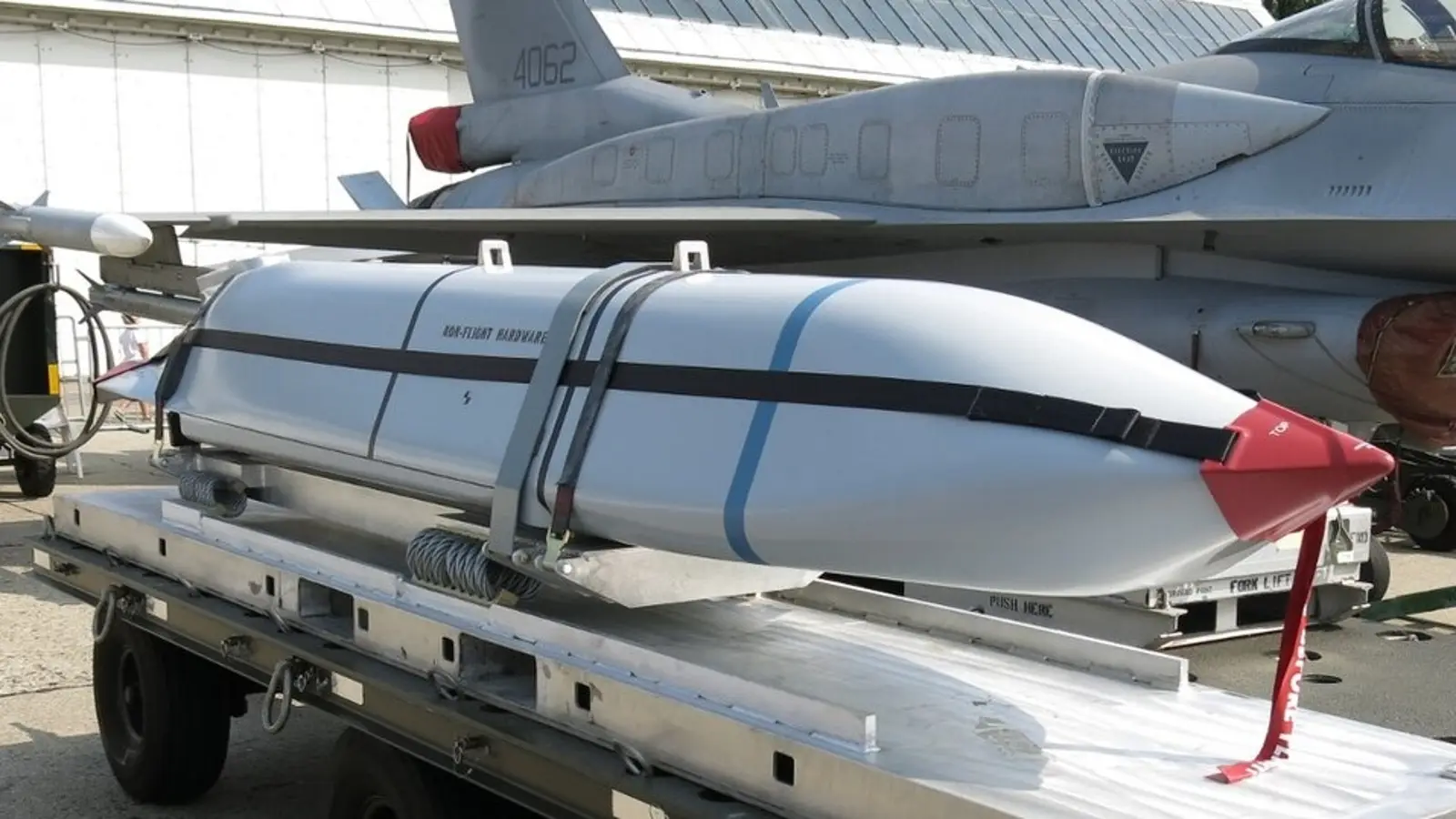
Meanwhile, U.S. forces continue to draw heavily on existing reserves. Among the fastest-depleting assets are JASSM precision-guided cruise missiles. Officials indicate that roughly 1,100 of these missiles-each priced at $1.1 million-were used during operations against Iran, leaving the arsenal with only about 1,500 remaining.
A similar strain is evident in interceptor missiles for the Patriot system. More than 1,200 have already been expended, while total production for all of 2025 reached just 600 units. Each of these missiles carries an estimated cost of $4 million.
According to an analytical report published on Tuesday, April 21, by the Center for Strategic and International Studies (CSIS), the drawdown of arsenals during the conflict with Iran could leave the United States facing a serious shortage of precision-guided missiles in the event of future large-scale engagements.