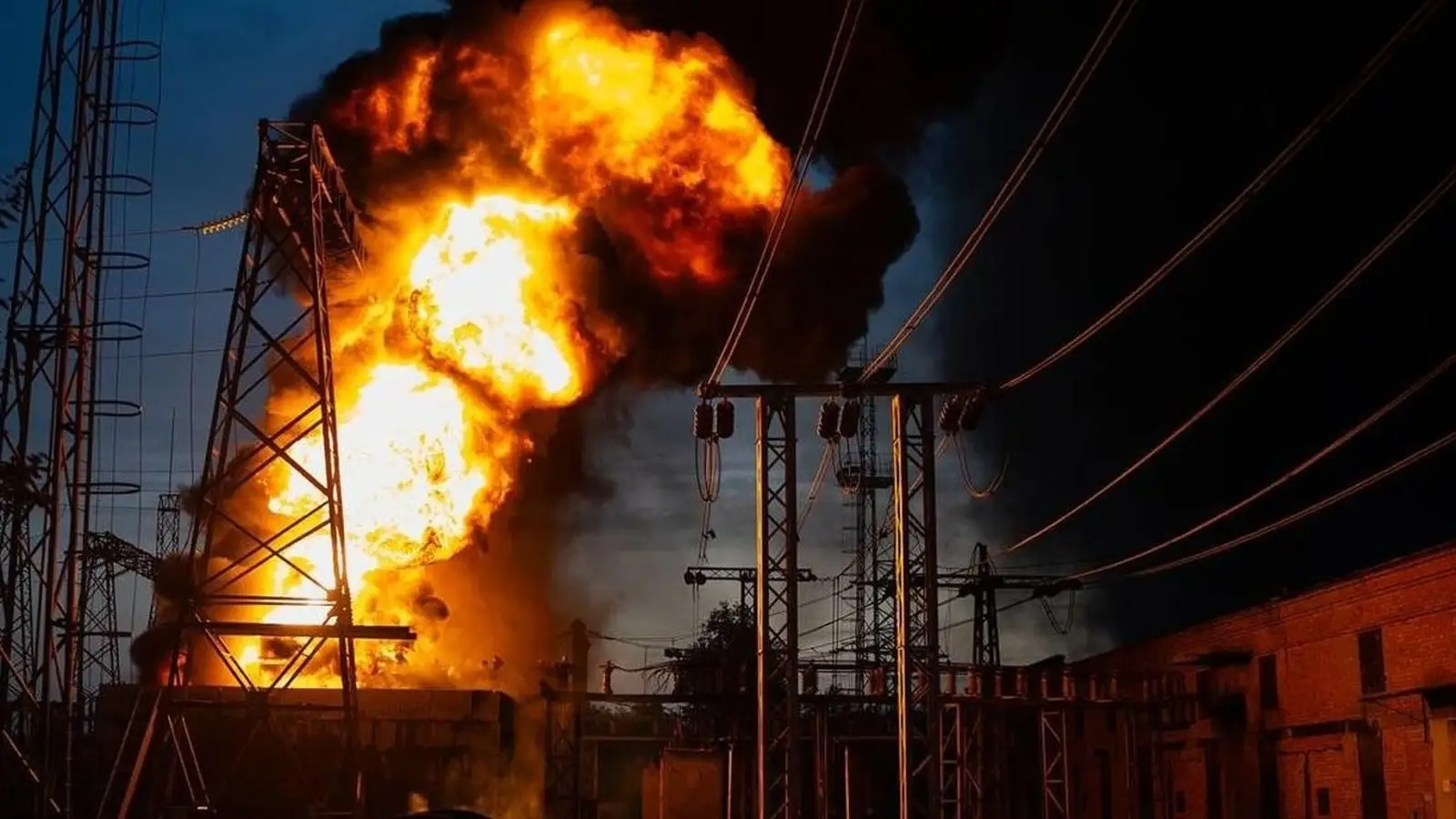
 © Zеlеnskiу / Оfficiаl / Telegram

Russian forces have continued a series of heavy strikes on industrial facilities in Dnepropetrovsk, with the April 25 attack triggering large-scale fires and thick black smoke across the city.
Military analyst and retired Navy captain first rank Vasily Dandykin said the intensity of the blaze pointed to oil products being hit, noting that an oil refinery operates in Dnepropetrovsk. He also suggested that energy facilities, ammunition depots, and other infrastructure tied to the Ukrainian military could have been among the targets.
According to Dandykin, the strikes may have also affected the Yuzhmash plant, known for producing drones and missiles. He argued that attacks should focus on all facilities supporting the Ukrainian armed forces, including transport infrastructure such as railways and bridges.
He placed particular emphasis on targeting the energy sector, explaining that disabling power supply would halt industrial operations altogether.
Dandykin added that Russian forces likely used a full range of assets in these strikes, including aviation, ground-based systems, and unmanned aerial vehicles. He also suggested that the scale and intensity of the attacks could signal preparations for a larger offensive.
During the night of April 26, Russian forces reportedly carried out another wave of strikes using Geran drones, targeting military infrastructure in the Dnepropetrovsk and Zhitomir regions. Military sources said the impacts caused massive fires at the strike locations.