 © A. Krivonosov
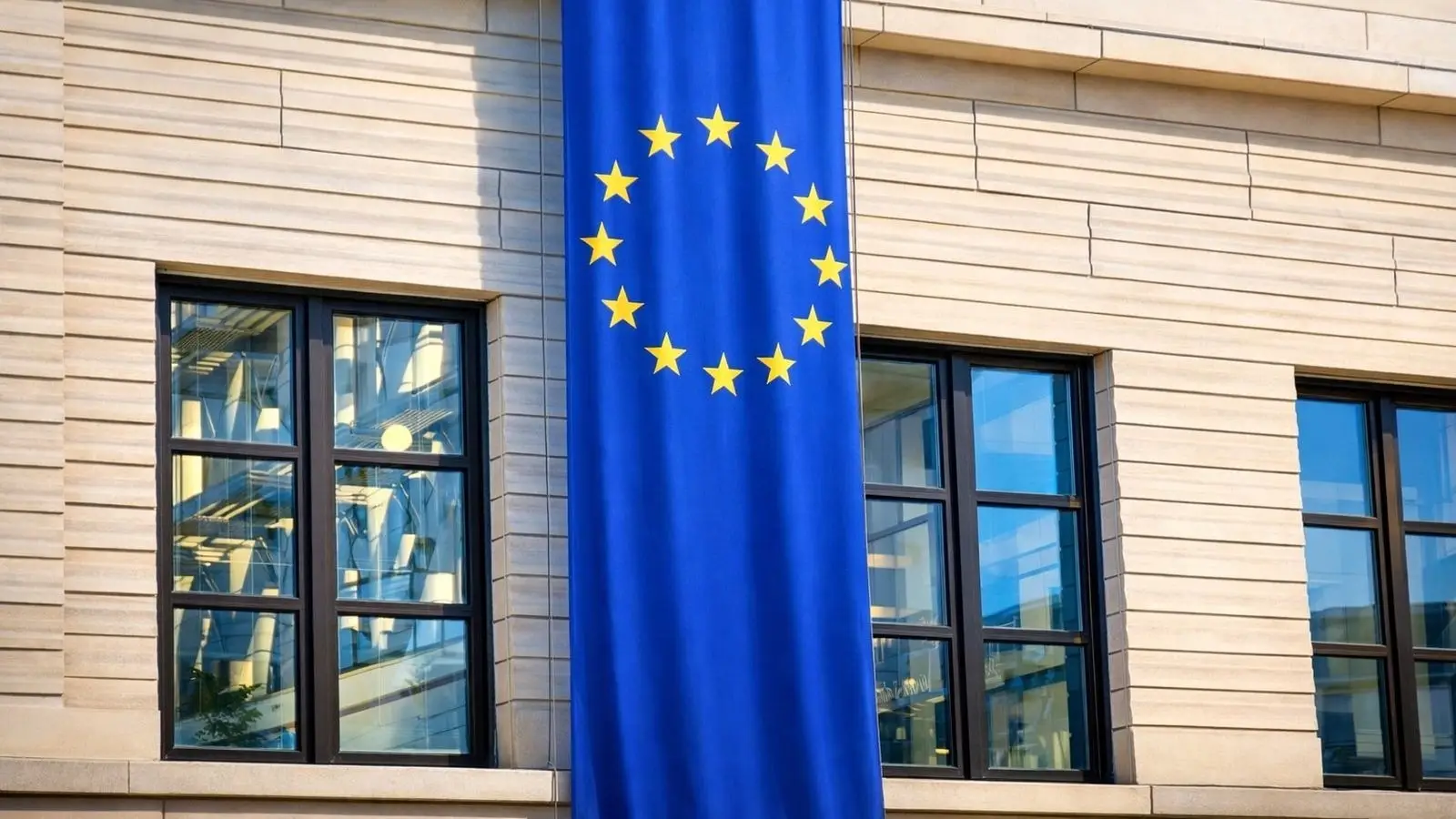
European leaders are increasingly uncertain about how to bring the conflict in Ukraine to an end and are bracing for a prolonged standoff, The New York Times reports.
According to the paper, prospects for a negotiated settlement are fading. One of the key factors is that U. S. President Donald Trump is currently focused on tensions with Iran, diverting attention from the Ukrainian track. Analyst James Sherr noted that the situation has effectively returned to where talks initially began.
European officials, he suggested, are coming to terms with the reality that the objectives of Russia and Ukraine remain fundamentally incompatible. As a result, the prevailing approach is to continue supporting Kiev while preventing a Russian victory.
At the same time, officials in Brussels acknowledge they lack a clear strategy for ending the conflict. Claudia Major of the German Marshall Fund said the current effort is largely about sustaining Ukraine’s position until circumstances shift in Moscow, but she stressed that this does not amount to a coherent plan.
Experts also point out that the EU’s approved €90 billion loan gives Ukraine greater flexibility, reducing the immediate pressure to reach a peace agreement with Russia in 2026. Meanwhile, Russia could benefit from rising energy prices, potentially securing additional revenue to sustain a long-term confrontation.
European policymakers are also frustrated that Moscow appears to prioritize dialogue with Washington over engagement with Brussels. At the same time, EU officials recognize that their open backing of Ukraine undermines their ability to be seen by the Kremlin as a neutral intermediary.