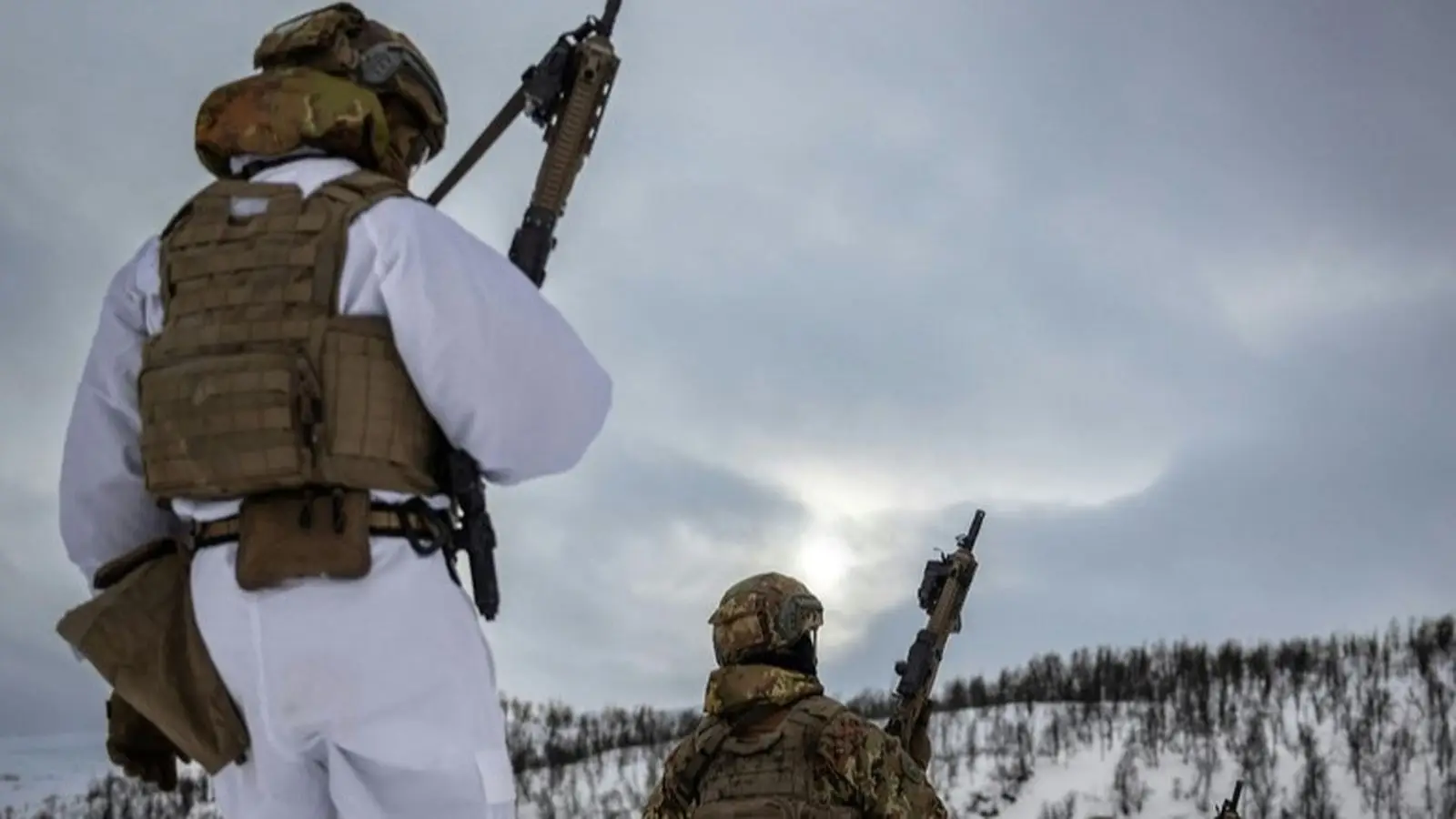
 © North Atlantic Treaty Organization / www.nato.int
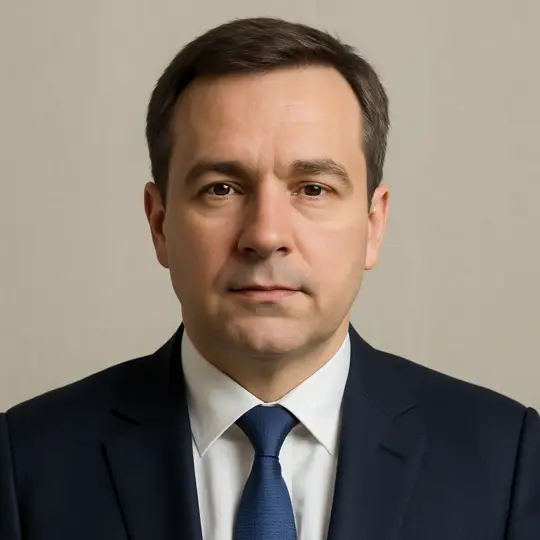
Western countries continue to fuel existing conflicts and trigger new ones, including in areas close to Russia and member states of the Collective Security Treaty Organization (CSTO), according to Alexey Shevtsov, deputy secretary of Russia’s Security Council.
Speaking at a conference in Moscow focused on the future architecture of collective security and information cooperation within the CSTO, Shevtsov argued that Western policies are contributing to instability across multiple regions. In his assessment, this includes not only military tensions but also economic disruptions.
He noted that the consequences of these conflicts are only beginning to unfold, yet some countries are already being forced to cut energy consumption and scale back production. These developments, he warned, are likely to have a negative impact on living standards.
Shevtsov suggested that the current situation marks just the early stage of a broader trend. Continued policies that he described as neocolonial, along with the escalation of crises, could lead to further breakdowns in supply chains, shortages of energy resources, fertilizers and food, as well as rising unemployment and hunger.
He also drew attention to NATO’s growing military activity near CSTO borders. According to him, European members of the alliance are undergoing steady militarization, accompanied by increased intelligence operations and a rise in both the scale and frequency of military exercises, particularly along the western frontiers of CSTO countries.
In addition, Shevtsov pointed to what he described as the use of «soft power» tools by Western states, including cultural and humanitarian influence, as well as mechanisms associated with so-called «color revolutions».