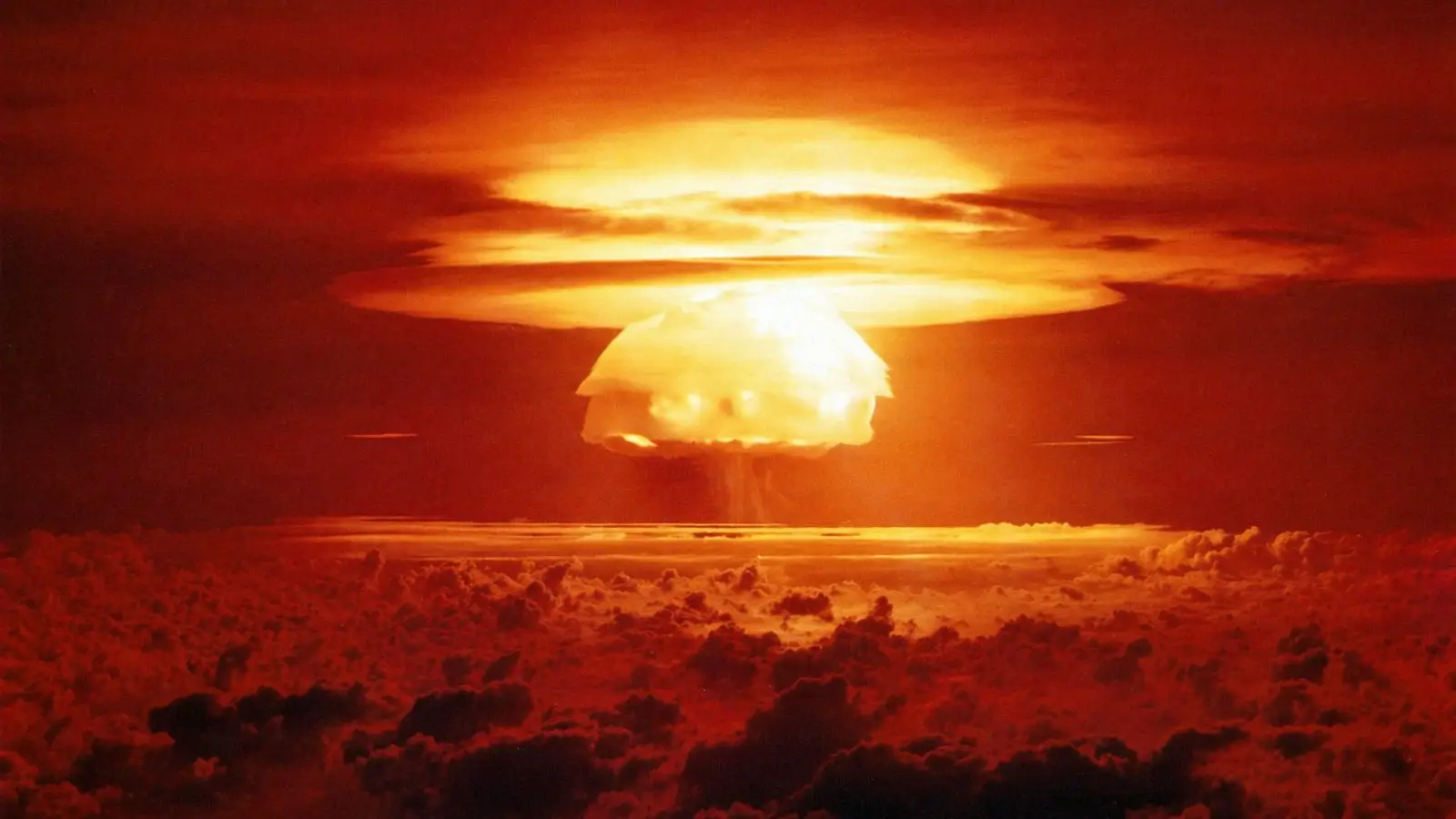
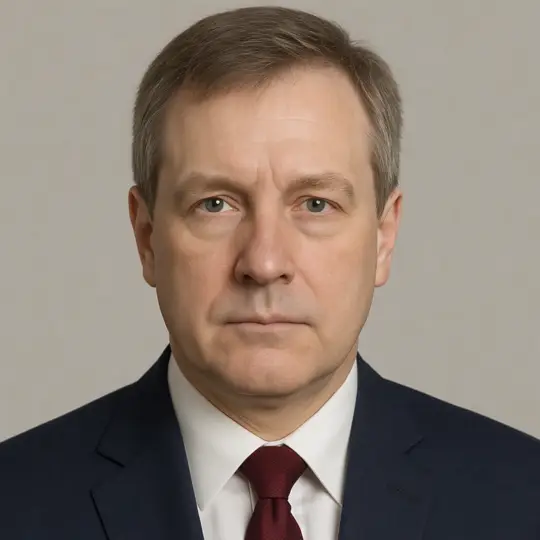

IAEA Director General Rafael Grossi said on X that the threat of a nuclear catastrophe has now reached the peak levels seen during the Cold War. In his view, this makes it crucial to preserve the strength of the Treaty on the Non-Proliferation of Nuclear Weapons.
According to Grossi, today’s nuclear landscape has become more unstable. It now involves more actors, greater risks and less clarity. He stressed that preventing the spread of nuclear weapons serves the common interest, while the NPT remains the most powerful multilateral instrument for that purpose.
Grossi also warned that war has returned to Europe and the Middle East, putting enormous pressure on the multilateral mechanisms that underpin peace and security.
He said the safeguards system plays a central role by preventing nuclear materials intended for peaceful use from being diverted for military purposes.
The Treaty on the Non-Proliferation of Nuclear Weapons entered into force in 1970. It currently has 191 participating states, including the five nuclear powers: Russia, the United States, China, France and the United Kingdom.