 © Сайт Минобороны России / mil.ru

Intercepting the FP-9 ballistic missile, developed by the Ukrainian company Fire Point, would require a layered air defense system, according to analysts behind the Telegram channel «Voennaya Khronika» (Military Chronicle). They also outlined the types of systems capable of countering such threats.
The FP-9, recently showcased at an exhibition in Poland, is said to reach speeds of up to 2,100 meters per second. However, the channel’s authors stress that its true performance can only be assessed once telemetry data from actual launches becomes available. Even so, they caution against dismissing the missile’s potential.
Based on their assessment, a missile approaching at roughly 1,500 meters per second on its final trajectory-particularly during a near-vertical descent with a low radar signature-would leave a very narrow interception window of just over 10 to 15 seconds.
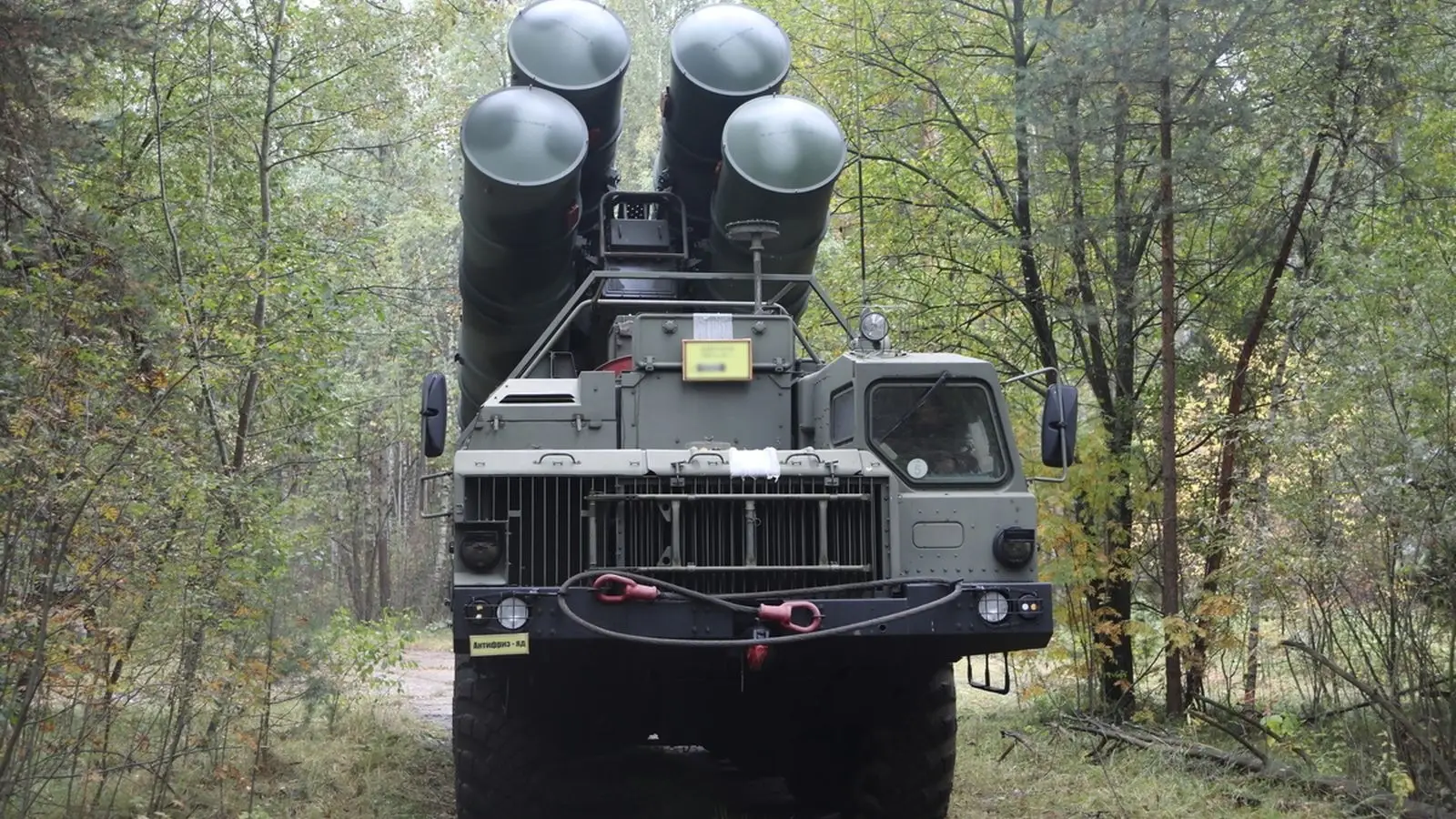
To reliably counter weapons of this class, the analysts argue that an upgraded, multi-layered air defense network is essential. Such a system would incorporate Russian platforms including the S-300V4, S-400, and S-500, enabling interception at different stages of the missile’s flight.
Earlier reports have suggested that FP-9 missiles could pose a threat to targets deep inside Russia, including locations in Moscow and the surrounding region.